
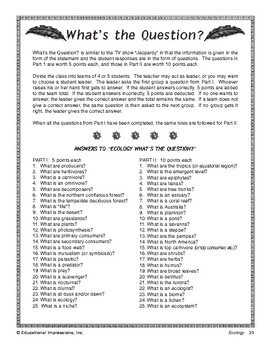
The “what’s the question game” involves figuring out the hidden question based on a given answer.
Ever played a game where you only get the answer and have to guess the question? That’s essentially what’s the question game is all about, a fun mental exercise that can really get your mind working. It’s a surprisingly simple concept, yet it can be quite challenging and very engaging. The appeal lies in the creativity required to reverse the logic.

What’s The Question Game: A Deep Dive into Fun and Learning
Let’s explore the wonderful world of “What’s the Question?” game! It’s not just a game, it’s an amazing way to get your brain working, practice thinking creatively, and have lots of laughs. You might have played it before without even knowing its official name. It’s super simple but incredibly powerful for learning and entertainment. This game is all about taking a step back from the usual way we think and turning answers into intriguing questions. Ready to find out more about it? Let’s dive in!
Why is “What’s the Question” So Cool?
This isn’t just some random time-passer; it’s packed with benefits. Think of it like a workout for your mind. It helps with:
Creative Thinking: You’re not just giving answers; you’re coming up with possible questions, making your mind explore different angles.
Critical Thinking: You have to analyze the answer and figure out what kind of question could lead to it, which is great for problem-solving skills.
Language Development: You will be playing with how questions and answers are connected and practicing your speaking or writing skills.
Fun & Engagement: It makes learning enjoyable, sparking curiosity and making everyone more interactive.
Adaptability: It can be played anywhere, with anyone, and you can make the rules as simple or complex as you like.
How to Play “What’s the Question?” – Simple Steps
The basic idea is that you’re given an answer, and your job is to come up with the question. Here’s the standard way to play, which you can then change to make it your own:
1. Someone Starts: One person thinks of an answer to a question and says it out loud.
2. The Others Guess: The other players have to think of the possible question that the answer would respond to.
3. Discuss & Choose: Players share their possible questions. Sometimes, there might be lots of right questions!
4. Switch Roles: Someone else thinks of the next answer and the game continues.
For instance, if the answer is “seven”, the questions could be: “How many days are there in a week?” or “What’s six plus one?” or even “How many dwarfs did Snow White live with?”. See? Multiple correct questions!
Variations on the Theme: Spicing it Up
Want to keep things interesting? Here are some fun twists to the game:
Themed Rounds
Pick a specific category for each round.
Examples: Animals, sports, food, movies, history. This makes things more challenging and focused, like if the answer is “Mount Everest”, it could only be questions related to mountains or geography.
Timed Challenges
Give players a limited time to come up with a question.
For example: set a 30-second timer to see who can think fast. This adds a little bit of pressure and encourages quick thinking.
Points System
Award points for the most creative or accurate questions.
For example: You could give one point for a correct question and two points for a really creative one. This can make the game more competitive.
Team Play
Divide players into teams and have them come up with questions together.
For example: This helps with teamwork and communication. Teams could get 1 point for a question and 2 for creative question.
Difficulty Levels
You can make answers easy for younger players and much harder for older kids or adults.
Examples: Start with simple answers like “blue” and move to complex ones like “photosynthesis”. This means the game can be used for all ages and stages.
When to Play “What’s the Question?” Game
“What’s the Question?” isn’t only fun; it can fit in various situations:
Classroom Learning: Teachers can use it to review topics, promote student involvement, and make learning fun. For example, after a history lesson, they might give an answer like “1776” and have students come up with related questions.
Family Time: It’s a great way to bond with family members during road trips, before bedtime, or during dinner. It encourages everyone to think together.
Parties & Get-Togethers: It’s a perfect icebreaker for gatherings to get people talking and laughing. You can use it as a quick activity while waiting for food or during down times.
Brain Training: Even adults can use it to stay sharp and boost their creative thinking skills. It’s a fun way to keep your brain active.
Travel: With no special equipment needed, you can play this anywhere which makes it perfect for long car rides or when traveling.
Adapting the Game for Different Ages
It’s a good game for all ages. Here’s how you can adjust the game to make it more suitable for different age groups.
For Younger Children (Preschool and Early Elementary)
Keep it simple: Use concrete and familiar answers, like colors (“red”), animals (“dog”), or numbers (“three”).
Visual aids: You can use pictures or objects related to the answer. For example, if the answer is “banana,” you can show an actual banana.
Play as a group: Don’t focus too much on competition. Just have everyone suggest questions without pressure.
Give hints: Provide clues if the kids are stuck. If the answer is “apple”, say “It is a fruit”.
For Older Children (Upper Elementary and Middle School)
Increase difficulty: Use more abstract answers, like concepts (“democracy”), historical events (“The Civil War”), or complex words (“metamorphosis”).
Encourage creativity: Ask for multiple questions for one answer and judge them based on creativity and accuracy.
Introduce rules: Incorporate time limits or scoring systems to make it more challenging.
Themed rounds: Use subject-related answers to help with class topics.
For Teens and Adults
Complex Topics: You can use answers from current events, literature, science, etc.
Debate questions: Use questions to initiate discussions after the questions are guessed.
Improv: Use the game as a foundation for improv exercises, with questions leading into skits.
Examples to Get You Started
Let’s get your brain in gear with a few examples. Try to think of a question for each answer:
| Answer | Possible Questions |
|---|---|
| “The Sun” | What is the star that Earth goes around? What is big and hot in the sky during the day? |
| “Pizza” | What is a food that has cheese and toppings? What is a common food item ordered at restaurants? |
| “Water” | What do you need to drink to stay hydrated? What makes up most of the Earth’s surface? |
| “A book” | What do we read for entertainment or information? What object has pages and words that we read? |
| “10” | What is 5 plus 5? How many fingers do most people have? |
The Power of Questions: Why They Matter
Asking questions is more important than you might think. It’s not just about getting an answer; it’s about:
Learning: Questions help us dig deeper into any topic and learn new things.
Curiosity: They spark curiosity and push us to explore the world around us.
Problem Solving: We ask questions to identify issues and find solutions.
Communication: They are the building blocks of conversations and connections.
Growth: By questioning things, we can grow and improve ourselves.
“What’s the Question?” is a practical way to practice asking questions and thinking outside the box.
Tips for Becoming a “What’s the Question?” Pro
Ready to get really good at this game? Here are some secret tips:
Think Broadly: Don’t be afraid to think of weird and unexpected questions. Sometimes the best questions are the silly ones.
Pay Attention to Details: Notice little details about the answer. This can help you think of specific questions.
Use Different Question Words: Try using “who,” “what,” “where,” “when,” “why,” and “how” in your questions. This helps you explore from different perspectives.
Practice Makes Perfect: The more you play, the better you’ll get at coming up with great questions.
Don’t be Afraid to be Wrong: Sometimes, there are many correct questions. It is about the fun not the right answer, so have fun while playing.
The Educational Value of “What’s the Question?”
“What’s the Question?” is not just fun; it’s educational, promoting critical thinking and creative problem-solving skills. Here’s how it enhances learning:
Strengthens Cognitive Skills: The game improves your memory and focus by constantly switching between the answer and potential questions.
Encourages Flexible Thinking: It promotes flexible thinking by getting you to see things from different angles.
Improves Communication Skills: Sharing and explaining your question helps you practice your communication skills.
Makes Learning Fun: It makes learning feel less like work and more like a game.
It’s Interactive: Since the game requires communication and interaction, it creates a dynamic learning environment.
Common Mistakes and How to Avoid Them
Even though the game is simple, sometimes it can be tricky. Here are a few common mistakes to avoid:
Too literal: Don’t only think of the most obvious questions. Try to come up with a unique and engaging questions.
Focusing on one word: Don’t focus on only one word of the answer. Look at the whole idea.
Repeating questions: Try to avoid asking the same question that has already been asked.
Being discouraged: If you are unable to think of a question, don’t be disheartened. Practice and you will be better in time.
Getting Competitive: If your intention is to have fun while playing, avoid making it too competitive which might ruin the fun.
“What’s the Question?” is a flexible game that can be modified based on the players.
“What’s the Question?” is more than just a game; it’s an opportunity to practice creative thinking, build critical skills, and have fun. Whether you’re a kid or an adult, this game can bring out the curious, questioning side in all of us. So, gather your friends, family, or even just yourself, and give this engaging game a try. You might just be surprised by how much you will learn.
So, now that we’ve explored everything about this super cool game, go ahead and play it. You’ll see just how much fun turning answers into questions can be!
Guess the Word by Emoji | Emoji Quiz Challenge 2024
Final Thoughts
The ‘whats the question game’ challenges players to think backward, requiring a solution before knowing the prompt. This activity sharpens critical thinking skills and promotes creative problem-solving. Participants must consider multiple possibilities when formulating questions.
Playing ‘whats the question game’ is a fun way to engage and stimulate thought. The reverse-logic approach makes it a unique exercise. This game must be on the list for anyone looking for mental stimulation.
In short, the ‘whats the question game’ provides a unique mental workout by demanding reverse engineering and promoting adaptable thinking patterns.

