
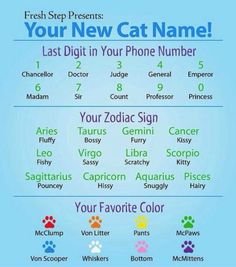
The “What’s Your Name Game” typically involves a person starting a question with “What’s your name” and then responding to it themselves with a silly or creative name.
Have you ever been in a social situation where the energy needed a little boost? I have, and that’s why I find the “whats your name game” to be absolutely perfect for those moments. It is such a simple yet effective way to bring laughter and lightheartedness into any gathering.
The game works by just asking a question that seems straightforward and then responding with something unexpected. It’s all about the silliness and the creative names you can come up with. It really is the best way to break the ice and get some laughs going.

What’s Your Name Game: A Fun Way to Break the Ice
Have you ever found yourself in a group where nobody really knows each other? It can be a bit awkward, right? That’s where the “What’s Your Name Game” comes in! This simple, yet super effective game is a fantastic way to get people talking, laughing, and learning about each other. It’s not just for kids; adults can enjoy it too! It’s adaptable to many situations, from classrooms to parties, to team-building events. There are many variations of this game. Let’s dive into the wonderful world of “What’s Your Name Game” and explore all the fun ways you can play.
Why Play the What’s Your Name Game?
Before we get into the how, let’s explore the why. This game isn’t just about remembering names (although that’s a big part of it!). It also helps to:
- Reduce anxiety: Starting a conversation with strangers can be nerve-wracking. This game provides a low-pressure, structured way for people to interact. It encourages laughter and playfulness, which helps ease tension.
- Boost interaction: The game encourages participants to speak and listen, actively engaging with each other. It moves beyond polite nods and hello’s, promoting real communication.
- Improve memory: Remembering names can be tough! This game provides a fun way to associate names with faces and little tidbits of information, aiding memory retention.
- Build a sense of community: Shared laughter and experiences help create a bond between people. It fosters a sense of togetherness and makes everyone feel a little more connected.
Think of it as a mini social lubricant. It’s a simple step that can create a much more comfortable and enjoyable atmosphere for everyone.
Classic Variations of the Game
The most common form of the game is the classic introduction round, but there are a few fun twists that you can use.
The Simple Circle
This is probably the most basic form. Everyone sits in a circle. The first person says their name. The second person says the first person’s name and then their own. The third person repeats the names of the first two people and then adds their own, and so on. It seems easy, but the longer the circle, the more challenging it becomes.
Here is how this generally unfolds:
- Start by having everyone sit in a circle. This setup makes it easy to see everyone.
- The first person in the circle introduces themselves, simply stating their name (e.g., “Hi, I’m Alex”).
- The next person then says the first person’s name and then their own (e.g., “That’s Alex, and I’m Maria”).
- The third person repeats the names of the first two people and then adds their own (e.g., “That’s Alex, that’s Maria, and I’m David”).
- Continue this pattern around the circle. Each person has to remember and state all the names of the people before them, before finally sharing their own name.
This version works especially well with smaller groups. For larger groups, it might need to be slightly adapted, or broken into smaller circles. The real challenge here is concentration and remembering the sequence of names.
Name and Action
This version adds a fun physical component. Participants still go around the circle introducing themselves, but this time each person also includes a small gesture or action that goes along with their name. It could be anything: a funny face, a little dance move, or even a simple hand wave. As the circle continues, each person needs to remember and perform not only the names, but also the actions of everyone who came before them.
Here’s how to introduce this variation:
- Everyone forms a circle, so they can see each other easily.
- The first person introduces themself by saying their name and doing a simple action (e.g., “I’m Sam” while doing a thumbs-up).
- The next person says “That’s Sam (with thumbs-up), and I’m [their name]” along with a different action (e.g., “That’s Sam (with thumbs-up), and I’m Lisa” with a wave).
- Each person repeats the names and actions of those before them, before adding their name and unique action.
The name-action game adds a layer of silliness and helps visual learners remember each other’s names by attaching a memorable motion to each one. This version is also great for a quick burst of energy and laughter, which is perfect for breaking the ice.
Name and Adjective
This variation encourages creativity and description. Participants introduce themselves using an adjective that starts with the same letter as their name. For example, “I’m Jolly Jane,” or “I’m Silly Sam.” As they go around the circle, people repeat the alliterative name and adjective of everyone before them, plus their own.
How to set up Name and Adjective:
- Start with everyone sitting in a circle, so they are able to see each other.
- The first person says an adjective that begins with the same letter as their name followed by their name. For example, if their name is “Bob”, they could say, “I’m Bouncy Bob”.
- The next person says the first person’s adjective name combination, and then introduces their own using their adjective. For example, “That’s Bouncy Bob, and I’m Happy Harriet.”
- The game continues like this around the circle, with each person having to remember and say all the adjective/name combinations before introducing themselves.
This is a great way to help people learn each other’s names but also offers a way for people to think about how to describe themselves in a unique way. It adds some fun to the process and often creates some interesting results.
Name Story
This version allows for more personal sharing. Each person says their name and tells a short story related to it. This could be how they got their name, why they like their name, or even a funny anecdote associated with it. The other participants can ask questions to get to know the person a little better. Though not specifically about the sequence of names, it is another good icebreaker.
Here’s how it flows:
- Everyone sits in a circle for easy interaction.
- The first person introduces themselves and then tells a brief story related to their name, making it an interesting experience.
- The next person does the same thing, introducing themselves and telling a brief story related to their name.
- This continues around the circle, letting everyone share something about themselves.
This version of the game goes beyond just name learning, and allows individuals to share something a little more personal. It’s a great way to initiate more in-depth conversations and encourage people to open up.
Making the Game Work for Different Groups
The “What’s Your Name Game” is very flexible. Here are some ways to adapt it to fit different scenarios:
For Younger Kids
Keep it simple! Use only the basic circle version or the name and action variation, and encourage silly actions. Keep the groups smaller and go slowly, using clear and simple instructions, and don’t expect too much. Consider doing a practice round for kids that are learning.
For Larger Groups
If you have a large group, it might be better to break it into smaller groups, or do a variation that does not involve remembering everyone in the group. You can also try the “Name Story” version, and then pair people up after everyone introduces themselves.
For Online Meetings
Use the chat function to help people keep track of names or to play along. Encourage people to be creative, and to be very clear with their voice introductions. Be understanding that a bit of lag can disrupt the order.
For Adults
For adults, consider adding a personal anecdote about their name, or a word they feel describes them that starts with the same letter, such as “Jolly Jerry” or “Creative Christine”. You can also do the name-action version, though it might be a bit less enthusiastic. Adults can appreciate the focus on building connections and fostering teamwork.
Tips for a Smooth Game
Here are some easy things to do that will make the game run more smoothly:
- Speak Clearly: Make sure everyone pronounces their name clearly. This helps with remembering and reduces confusion.
- Be Patient: Some people might need a little extra time to remember names or feel comfortable doing their action. Be patient and encouraging.
- Keep it Positive: This game is about connection and fun. Maintain an upbeat and light-hearted environment.
- Encourage Participation: Remind everyone that it’s okay to make mistakes. It’s all part of the fun.
Variations with a Specific Purpose
The game can even be adapted for specific purposes:
Team Building
Use the name and adjective version to encourage creative thinking, or use the name story to help with communication. The game can help create a better sense of community.
Learning Names in Class
Keep it simple and do the circle version, or the name-action version, to help students remember each other’s names, especially at the start of the school year. Using the name/adjective variant can be very helpful to make a memorable connection between name and personality.
Networking Events
Use the name story approach to encourage the sharing of information. The game can help break the ice and allow for networking opportunities.
Common Mistakes to Avoid
While it’s a simple game, here are some mistakes to avoid:
- Rushing: Rushing through introductions can cause people to feel overlooked and makes it harder to remember names.
- Not Paying Attention: Actively listening when others are introducing themselves will help create a more positive experience.
- Skipping People: This can make a participant feel left out. Be very careful to ensure that everyone is included.
- Making Fun of Names: The game should be a positive, not a negative, experience. Any sort of teasing or mocking is not acceptable.
By avoiding these pitfalls, you can ensure everyone has an enjoyable and connecting experience.
Making it Your Own
The “What’s Your Name Game” is a flexible and adaptable game. Feel free to tweak the rules to fit your group and the context. Try adding music, or even making it competitive for teams, or use props, such as hats or scarves, for the action game. The most important thing is that it is engaging and fun for everyone.
The “What’s Your Name Game” is more than just a way to remember names; it’s a powerful tool for creating connections, building community, and making any group setting more welcoming. Whether you’re in a classroom, a meeting room, or at a party, this simple yet effective game can help everyone feel more comfortable and engaged. By adapting the rules and choosing the version that best suits the setting, you can guarantee a fun experience for everyone. So go ahead, give it a try, and watch how a simple game can make a big difference!
My Name Your Name Game
Final Thoughts
‘Whats your name game’ provides a fantastic, quick way to bond with others. This simple icebreaker works well in various social settings. It promotes interaction and helps people remember names effectively.
Remembering names is essential and this game helps achieve that. The game makes learning names fun and engaging. ‘Whats your name game’ proves itself a great tool for introductions.

