
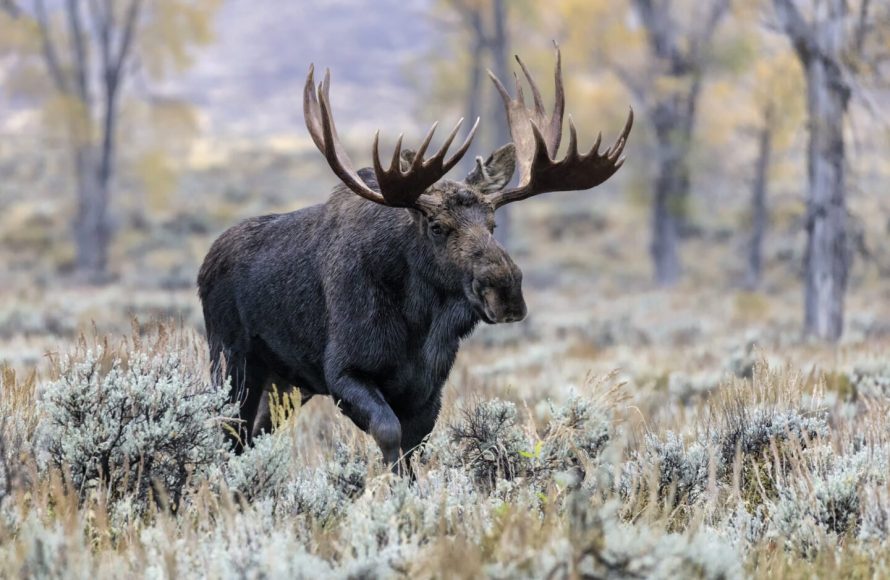
Hunters can find information on tagging requirements for game at their state’s wildlife agency website or by contacting the agency directly.
Navigating hunting regulations can feel overwhelming, especially when it comes to tagging your harvested game. Many hunters often ask the question, where can hunters find information on tagging requirements for game? The specific rules vary greatly depending on the state and species.
It is crucial to consult the official resources. State wildlife agency websites offer comprehensive guides and updates. These resources detail the precise methods of tagging, permitted materials, and timeframes for compliance.

Where Can Hunters Find Information on Tagging Requirements for Game?
Figuring out the rules for tagging your game can feel like a puzzle. You’ve had a successful hunt, but now comes the important part of making sure everything is done legally and ethically. It’s crucial for the conservation of wildlife, and not following the rules could lead to some serious problems. So, where do you find this essential information? Let’s dive in and explore the best places to get the correct tagging details.
State Wildlife Agencies: Your Go-To Resource
The first, and often most accurate, place to start your search is your state’s wildlife agency. These agencies are responsible for managing the wildlife within their borders, and they set the specific rules for hunting, including tagging requirements. Each state has its own way of doing things, so it’s important to find the information that’s specific to where you’re hunting. Think of them as the official rulebook keepers for your hunting adventures.
How to Find Your State’s Agency
Finding your state’s wildlife agency is usually quite easy. Most states have names like “Department of Natural Resources (DNR)”, “Fish and Wildlife Agency”, or “Game and Fish Department”. Here’s how you can locate them:
- Online Search: The fastest method is to use an online search engine like Google, Bing, or DuckDuckGo. Simply type in “[Your State Name] wildlife agency” or “[Your State Name] hunting regulations”. The official website should be one of the first results.
- State Government Website: You can also find your state agency through your state’s main government website. Look for a section on “Agencies” or “Departments” and then find the one that deals with natural resources or wildlife.
- Printed Regulations: Sometimes, the agency will have printed hunting regulations available. You can often find these at license vendors, local sporting goods stores, or the agency itself.
What Information They Offer
Once you’ve located your state wildlife agency’s site, you can usually find lots of useful information. The website will likely provide detailed hunting regulations, that may include:
- Specific Tagging Instructions: They will tell you exactly how to fill out the tag, where to attach it to the animal, and what type of tag is required. This information might vary depending on the animal you are hunting.
- Tag Types and Availability: You’ll learn about what types of tags are used for different animals and where you can obtain them. Sometimes, tags are included with your hunting license, while other times they need to be purchased separately.
- Season and Zone Specifics: Tagging rules can change depending on the hunting season or the location. The agency will clearly spell out any differences.
- Reporting Requirements: In many cases, you may need to report your harvest, and tagging is often a part of the reporting process.
- Changes and Updates: Regulations can change from year to year, so it’s crucial to refer to the most recent information provided by the agency.
Hunting License Vendors
Another valuable resource is the place where you purchase your hunting license. Many vendors, whether it’s a sporting goods store or a local clerk, are knowledgeable about the basics of hunting regulations and can offer help with tagging instructions. They handle licenses and tags regularly, so they understand the rules.
How They Can Help
While they won’t have all the specifics of the state agency, license vendors can assist in the following ways:
- Tag Acquisition: They are a place where you get your tags and they can make sure you have the correct tags when they sell it to you.
- Basic Instructions: They can tell you about some general tagging requirements.
- License Information: They can explain information related to your license, including where and what species you are authorized to hunt.
- Referral: If they do not know the answer, they will point you toward the state wildlife agency.
Hunting Regulations Guides and Handbooks
Many state wildlife agencies create printed hunting regulation guides. Think of these as the “pocket guide” to all the rules. They’re designed to be carried with you in the field. These guides condense all the important information into a more easily accessible format.
Where to Get These Guides
You can get these handy guides in a number of places:
- State Agency Website: You can download a digital version or sometimes order a hard copy directly.
- License Vendors: Often they have printed copies at locations where you purchase your license.
- Sporting Goods Stores: You may find them in the hunting department of major outdoor retailers.
- Agency Offices: Stop by a local office of your state agency, and you’ll likely find copies.
What to Look for in These Guides
Hunting regulations guides are designed to be clear and organized. When you look for tagging information, make sure to:
- Use the Index or Table of Contents: Guides always have a way to quickly find the section you need. Search for “tagging,” “harvest reporting,” or a similar term.
- Look at Specific Species Sections: Tagging requirements can vary based on what animal you are hunting.
- Pay Attention to Diagrams: Some guides have pictures to show you where to attach the tag, and how to fill it out properly.
- Read Any Notes or Warnings: Always look for any specific exceptions to general rules.
Hunting Clubs and Organizations
Hunting clubs and organizations are another great place to gain knowledge. Many of these groups focus on conservation and safe, ethical hunting practices. Members of these clubs have lots of hunting knowledge that can be very helpful to new hunters. They often have a good understanding of the regulations, including tagging protocols.
How These Clubs Can Help
Here’s how these clubs and organizations can be useful:
- Local Knowledge: Club members know the specific regulations for the area, and might have tips and tricks that they have picked up over the years.
- Mentorship: More experienced members are often happy to guide newer hunters, offering advice and practical help, including things related to tagging.
- Workshops and Seminars: Some clubs run educational events, where they go over all of the rules and regulations for hunting.
- Shared Resources: Many clubs keep up-to-date guides and information that all members can access.
Online Hunting Forums and Communities
Online forums and hunting communities offer an interactive place to find and share information. Many sites have discussions related to hunting and trapping rules and regulations, where you can ask questions and learn from other hunters’ experiences.
Benefits of Online Communities
Here’s how to make use of the online hunting community:
- Ask Specific Questions: If you can’t find the answer you need on the agency website, ask your question to the community.
- Read Through Existing Threads: Most questions you may have has already been asked by someone else on the forums.
- Verify Information: Be sure to confirm the information with your state wildlife agency, since not everything on forums may be accurate.
- Stay Up-To-Date: Forums are a great way to learn about any last minute changes to the rules or new updates.
Smartphone Apps
More and more state agencies are creating official apps that include all the information you could possibly need, right in your pocket. These apps are extremely handy since you’ll always have them with you. Many apps allow you to view regulations, check harvest information, and even submit harvest information.
Features of Hunting Apps
Here are some helpful features that you will often find:
- Digital Regulations: Instead of having to carry a paper book, you can easily look up the tagging regulations on your smartphone.
- GPS Mapping: Many apps include maps that can help you determine boundaries, and hunting areas.
- Reporting Tools: Some apps enable you to submit your harvest information directly through the app.
- Push Notifications: Get alerts about rule changes, special dates, and reminders.
Contacting the Agency Directly
If you’ve tried all other resources, and you still are not able to find your answer, then you can contact your state wildlife agency directly. They have people on hand who are trained to answer questions and help people comply with all the rules.
Ways to Contact Them
Here are a few ways you can get in touch:
- Phone: Call their general information line. They will either be able to answer your question, or direct you to someone who can.
- Email: Most agencies provide an email for public inquiries.
- In-Person: Stop by an office to speak with a representative in person.
Understanding the Importance of Tagging
Before we finish our discussion on where to get tagging information, let’s make sure you know why it’s so important. Proper tagging isn’t just about following the rules. It is also an important part of wildlife management and conservation. Here’s why it matters:
- Monitoring Wildlife Populations: Tagging helps agencies keep track of how many animals are being harvested, which is key to ensuring that populations stay healthy.
- Preventing Illegal Hunting: Proper tagging is designed to be tamper-proof, making it difficult for people to hunt illegally and claim that the animal was legally harvested.
- Research and Data Collection: The harvest data gained from tagging can be used for research about wildlife behavior and can be used to make better management decisions.
- Ensuring Fair Allocation: Tagging ensures that everyone follows fair harvesting practices, which helps to make sure that everyone has a fair chance.
- Ethical Hunting: Complying with the rules shows respect for the wildlife, the environment, and the law.
It might seem complicated at first, but once you take the time to familiarize yourself with the rules, it will become second nature. The more time you spend learning the regulations, the more prepared you will be to be a responsible and ethical hunter.
Finding the right information for tagging your game is essential for every hunter. By using the resources outlined above, including your state wildlife agency, license vendors, regulation guides, hunting clubs, online forums, smartphone apps, and direct communication, you’ll be well-equipped to hunt legally and ethically. Remember, responsible hunting contributes to conservation and the continuation of this important tradition for generations to come.
HOW TO IDENTIFY GAME SPECIES | Hunters Connect
Final Thoughts
Hunters must consult their state’s wildlife agency website for specific tagging regulations. These websites usually provide detailed information on required tags, acceptable materials, and proper attachment methods. Regulations can vary greatly by species and location, making it essential to confirm before your hunt.
Where can hunters find information on tagging requirements for game? State wildlife agencies are the main source for this information. Hunters should also check for updated regulations before each hunting season to ensure compliance with the current laws.

