
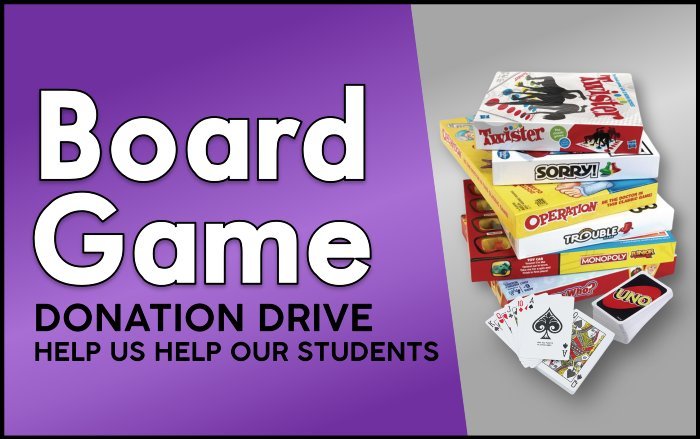
You can donate board games to local charities, schools, libraries, and senior centers.
Do you have board games gathering dust? Maybe you’re making room for new ones, or you’ve simply outgrown some classics. Instead of throwing them away, consider where to donate board games so that they can bring joy to others. There are many places that would gladly receive your gently used games.
Finding the right place is key; it ensures your donations reach people who can enjoy them. Local charities often have programs to benefit kids and families. Schools use board games to encourage learning and fun, and libraries build community with gaming events.

Where to Donate Board Games
So, you’ve got a stack of board games gathering dust, huh? Maybe you’ve upgraded your collection, or perhaps the kids have outgrown their favorites. Whatever the reason, you’re thinking about giving those games a new home. That’s awesome! Donating board games is a fantastic way to share the fun and help others at the same time. But where exactly can you take them? Let’s explore some great places where your gently used board games can bring joy to someone else.
Local Charities and Nonprofits
One of the best places to donate board games is to local charities and nonprofits. These organizations often work directly with people who can really benefit from a good game night. Think about groups that focus on kids, families, or individuals facing challenges. Here are some specific types of organizations to consider:
Children’s Homes and Orphanages
Children’s homes and orphanages are always looking for ways to entertain and engage the kids they serve. Board games provide a fantastic opportunity for fun, social interaction, and learning. A simple game can create positive memories and provide a sense of normalcy for children who may be experiencing tough times. Check with organizations in your area to see if they accept board game donations. Often, they have specific needs for particular age groups, so inquiring beforehand can be helpful.
Homeless Shelters
Homeless shelters offer crucial support for individuals and families in need. Board games can offer a welcome distraction, a chance to connect with others, and a bit of fun during difficult times. Shelters often have communal areas where games can be enjoyed by residents of all ages. Before donating, it’s wise to contact the shelter to ensure that board games are accepted and that they fit the shelter’s needs. Be sure that all the pieces are present and the games are clean.
Family Service Centers
Family service centers often work to strengthen families and provide resources to those who need them. Games can be used for family therapy, group activities, and simply for families to enjoy together. These centers may have playrooms or activity areas where donated games can be put to good use. Look for centers in your community that assist children, families, and those experiencing hardships.
Community Centers
Community centers frequently run programs and activities for people of all ages. Games can be incorporated into after-school programs, senior citizen activities, and other community events. Check with your local community center to determine if they accept game donations. Often, they’re very appreciative of donations that can expand their program offerings.
Schools and Educational Institutions
Schools are another excellent option for donating your board games. Games have educational value, and they are a great way to teach skills like strategy, math, and communication. Consider donating to the following types of educational organizations:
Elementary Schools
Elementary school classrooms often use board games as part of learning activities. Games can make learning fun for young children and help them build important social skills, like taking turns and following rules. Contact local elementary schools to see if they would be interested in receiving game donations. They might be able to use the games in classrooms, libraries, or after-school programs. When donating to schools, games aimed at younger ages are typically most useful.
Middle and High Schools
Even middle and high school students can enjoy board games. Games with strategic elements are particularly useful in higher grades, and they can even be used in clubs or after-school programs. Consider donating games that are designed for teenagers to secondary school libraries or activity centers. This provides entertainment and cognitive benefits for students.
Special Education Classrooms
Special education classrooms can benefit hugely from board game donations. Games that teach essential skills such as following directions, identifying colors and shapes, and social interactions can be incredibly useful. Games can be modified to fit different learning needs, and the act of playing can make learning more engaging. When donating to special education, choose games that are sturdy and have large, clear pieces.
Libraries
Many public libraries have game collections that patrons can borrow. Donating board games to libraries expands their selection and provides entertainment for the community. Libraries will often have specific guidelines for donations, so contact them first to confirm if they accept board games. This is a great way to ensure many people can enjoy your games.
Hospitals and Healthcare Facilities
Hospitals and healthcare facilities often have activity rooms or waiting areas where board games can be beneficial for patients and their families. Playing games can help reduce stress and boredom, and provide much needed distraction. Consider donating games to these places:
Children’s Hospitals
Children’s hospitals are always looking for ways to engage young patients during their stay. Board games can provide a playful distraction and help kids feel more comfortable. Check with the hospital’s child life department to determine if they accept game donations and what types of games would be most useful for their patients. Consider games that are easy to clean and don’t have too many small parts.
Rehabilitation Centers
Rehabilitation centers assist individuals in recovering from illness or injury. Board games can be incorporated into therapy or as a leisure activity to help patients with cognitive and motor skill development. Donation of a variety of games can accommodate a wide range of patient needs. Check with the rehab center to find out what kind of board games they accept.
Senior Centers and Assisted Living Facilities
Senior centers and assisted living facilities are great places to donate games, since many seniors love playing board games. Games provide mental stimulation and are excellent opportunities for social interaction among residents. Look for games that are large and have big, easy-to-handle pieces. Simple games with less complicated rules are typically best for this audience.
Other Donation Options
Besides the places we’ve covered, there are also other avenues for board game donations. Here are a few more ideas:
Game Cafes and Clubs
Some game cafes and clubs may accept game donations to expand their libraries. This is an excellent way to make your games accessible to a large group of board game enthusiasts. Check with your local game cafes and clubs to see if they have donation programs.
Military Support Organizations
Organizations that support military personnel and their families often appreciate board game donations. Games can be used for recreation at military bases or during downtime. These organizations help soldiers relax and bond. Contact local military support groups to find out if they accept game donations.
Thrift Stores
Thrift stores, such as those run by charities like Goodwill or Salvation Army, are always an option for donating board games. While your donation may not go directly to a specific cause, it helps support the charitable efforts of these organizations. This is a convenient way to donate if you don’t have time to call and find a specific organization.
Preparing Your Board Games for Donation
Before you donate your board games, it’s important to make sure they are in good condition and ready to be enjoyed by others. Here are some steps to follow:
Check for Completeness
The first step is to ensure that all the pieces of a game are present. Nothing is more frustrating than getting ready to play a game only to find pieces are missing. Take time to do a full inventory and make sure that all the pieces, boards, cards, and manuals are inside.
Clean the Games
Give your board games a thorough cleaning before donating. Dust off the game boards, wipe down plastic pieces, and clean any cards. This will ensure that your donations are ready for use.
Package Carefully
Make sure you package all the game parts properly before donating. Put pieces into plastic bags if they can be easily separated. Secure the box with tape if it is damaged to avoid losing any items.
Consider the Recipient
When choosing games to donate, think about the people who will be receiving them. Are there age limitations or any potential safety issues? Are the games culturally sensitive? This will help you make more suitable donations and allow games to be put to good use.
Donating board games is a great way to pass on the joy of play and help people in need. By considering the options and putting in a little effort, you can ensure your games find their way to new homes and bring happiness to others. So, go ahead and give your old games a second life. It’s a win-win for everyone involved!
How to Donate THOUSANDS #bossdoggames #donate #charity #boardgames #howto #shorts #donation #games
Final Thoughts
Many places gladly accept gently used board games. Consider donating to local libraries, schools, or after-school programs. These organizations often have limited budgets.
Charity shops, such as Goodwill or Salvation Army, are another great option for donation. They can resell your games to support their community services. Don’t forget hospitals and children’s homes, where board games are greatly appreciated.
So, remember these options when figuring out where to donate board games. Your old games can bring joy to others and find a second life.

