
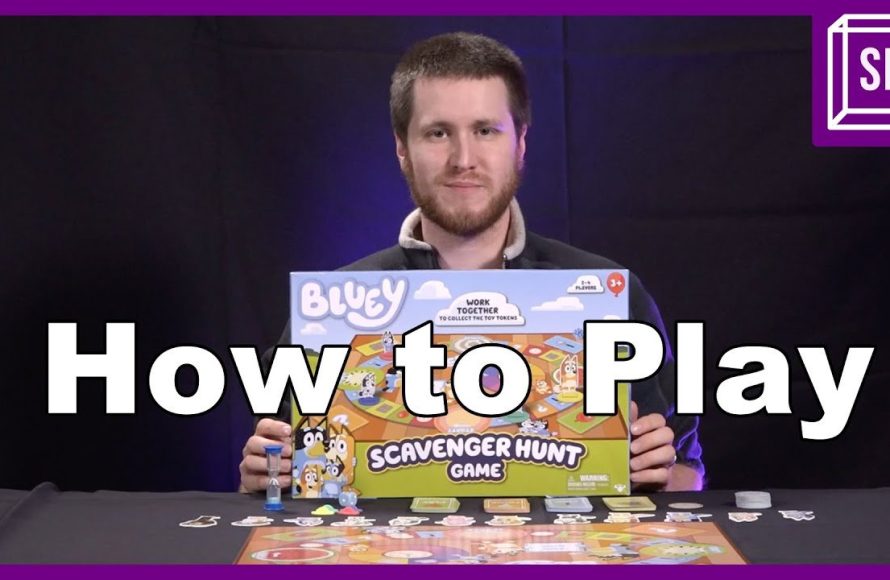
To play Bluey scavenger hunt game, create clues leading to hidden objects or locations. These clues can be drawings, written messages, or riddles. Hide a final prize, and let the players follow the clues to find it.
Ready for some family fun? Let’s explore how to play Bluey scavenger hunt game! It’s a great way to get everyone moving and using their imaginations, just like the Heelers. This game encourages teamwork and problem-solving skills, making it more than just a simple activity.
This is a very easy game to set up and play either indoors or outdoors. With a few creative clues, you can easily create an adventure for your little ones. Remember, the goal is to have fun and create lasting memories, just like Bluey and Bingo do!

How to Play Bluey Scavenger Hunt Game: A Step-by-Step Guide
Alright, Bluey fans! Are you ready to turn your home or backyard into a real-life adventure, just like Bluey and Bingo? A scavenger hunt is a fantastic way to get active, use your imagination, and have tons of fun. Inspired by the popular show, a Bluey scavenger hunt is all about clues, clever hiding spots, and maybe a little bit of silly dancing along the way. This guide will walk you through every step of creating and playing your very own Bluey-themed scavenger hunt. So grab your family, put on your best “keepy-uppies” faces, and let’s get started!
Planning Your Bluey Scavenger Hunt Adventure
Before you can send your little adventurers on their quest, you need a good plan. This involves deciding where the hunt will take place, thinking about the age of the players, and creating fun clues that are both challenging and easy to follow. Let’s break it down:
Choosing Your Location
Where will the adventure unfold? Your backyard, the living room, or maybe even a local park are all great options. Consider these points:
- Indoor Scavenger Hunt: Perfect for rainy days or when you want a contained area. Think about using different rooms, hallways, and furniture as hiding places.
- Outdoor Scavenger Hunt: Great for getting some fresh air and exploring nature. Gardens, patios, and play areas are ideal.
- Combination Hunt: A mix of indoor and outdoor elements adds variety and excitement.
Considering Your Players’ Ages
The age of your players will greatly influence the complexity of your clues. Here’s how to tailor them:
- Younger Children (Preschool/Kindergarten): Use simple picture clues, large printed words, and locations that are easy to reach. Keep the total number of clues relatively small.
- Older Children (Elementary School): Use more complex riddles, wordplay, or even map-based clues. You can also make the hunt a bit longer and more challenging.
Choosing a Theme (Optional)
Adding a specific Bluey theme can add an extra layer of fun. Some ideas include:
- Magic Claw Adventure: Hide “magic claw” items (small toys, for instance) and have players collect them along the way.
- Grannies’ Game: Clues could be written as if they were from Rita and Janet, the grannies.
- The Creek Adventure: If you’re outdoors, incorporate creek-themed clues or tasks.
- Keepy Uppy Challenge: Have a “keepy uppy” mini-challenge at the end of the hunt with a balloon.
Crafting Clever Clues: The Heart of the Scavenger Hunt
Clues are the key to a successful scavenger hunt. They need to be engaging, fun, and lead players to the next spot. Here are some types of clues and how to make them work:
Picture Clues
Ideal for younger children, picture clues use images to hint at the next location. Here’s how:
- Draw or Print Images: Use pictures of common household items or outdoor objects. A picture of a refrigerator indicates the next clue is there.
- Use Familiar Objects: Choose objects kids are already familiar with.
- Keep it Clear: Make sure the picture is clear and easily recognizable for your players.
Riddle Clues
Riddles engage older children and boost their problem-solving skills. Here’s how to craft them:
- Keep it Simple: Riddles should be challenging but not frustrating. Use language that children can understand.
- Relate to Locations: Tailor your riddles to describe the place where the next clue is hidden. For instance: “I have a door and shelves inside, and I keep food nice and cool. Where am I?” (Answer: the refrigerator).
- Use Bluey References: Incorporate characters or places from the show for extra appeal. For example: “Where does Bingo like to sit in the car?” (Answer: the car seat).
Wordplay Clues
Use word games or simple codes for older players. Some ideas include:
- Anagrams: Rearrange the letters of a location (e.g., “dbe” becomes “bed”).
- Simple Codes: Replace letters with numbers or symbols for a fun decoding activity (e.g., A=1, B=2, etc.).
- Rhyming Clues: Make the clues rhyme for a playful twist. For example: “Go to the place where you wash your face.” (Answer: the bathroom).
Example Clues Table
Here’s a table of a few example clues for various age groups:
| Clue Type | For Age | Example Clue | Location |
|---|---|---|---|
| Picture | Preschool | Image of a toy box | Toy Box |
| Riddle | Elementary | “I have keys but open no doors, what am I?” | Keyboard/Piano |
| Wordplay | Older Elementary | Rearrange these letters: “beid” | Bed |
Preparing the Scavenger Hunt: Setting the Stage for Adventure
Once you have your clues ready, it’s time to get everything organized. Here are a few crucial steps:
Writing and Hiding Your Clues
Write out your clues clearly on paper or cardstock. You can use fun colors or even Bluey-themed stationery. Then, carefully hide each clue in its designated spot. Make sure they’re visible enough to find but not so obvious that they’re stumbled upon accidentally.
- Use Envelopes or Folded Papers: This adds a layer of anticipation.
- Consider the Height: Hide clues at appropriate heights for your players, especially for younger children.
- Avoid Dangerous Locations: Keep clues away from sharp objects or places that are difficult to reach.
Setting up a Start and End Point
Clearly designate a starting point for the scavenger hunt and a final destination, such as a prize area or a special treat. This gives the hunt a clear beginning and end, keeping players motivated.
Optional: Adding Bluey Decorations
Decorate the hunt area with Bluey-themed decorations. This adds to the overall experience and excitement. Here are some ideas:
- Bluey and Bingo Cutouts: Print or draw pictures of the characters.
- Bluey Colors: Use blue, orange, and yellow balloons and streamers.
- Character-Inspired Elements: If your theme is “Grannies’ Game,” you could have tea sets and hats as decorations.
Playing the Bluey Scavenger Hunt Game
Now, the moment you’ve all been waiting for—let the scavenger hunt begin! Here are some tips to ensure smooth play:
Give Clear Instructions
Before starting, clearly explain the rules and objectives. Let players know how many clues there are and what the goal is. For younger children, a demonstration might be helpful.
Start the Hunt
Begin at the designated start location and let the players read the first clue. Then, sit back and watch them go on their adventure. Make sure you’re available to help if needed, but let them do the discovering as much as possible.
Provide Hints (If Necessary)
Sometimes, players might get stuck. If they’re struggling with a particular clue, give gentle hints or simplified clues rather than outright giving away the answer. This keeps the challenge fun and not frustrating.
- Ask Leading Questions: For example, “Have you checked under anything?”
- Repeat the Clue: Sometimes, hearing the clue again is enough.
- Give a Visual Hint: If the clue is a picture, show them a similar image for a clue.
Celebrating the Finish
Once everyone reaches the final location, celebrate with a special prize, snack, or just a round of applause. This is the time to congratulate players on their problem-solving skills and adventurous spirit. Make sure everyone feels good about participating, win or not!
Adapting for Different Age Groups and Situations
Remember, the most important thing is to adapt the hunt to fit your group. Here are some ideas:
- For Large Groups: Create teams and have each team follow their own set of clues. This way there are not too many people crowded around one clue.
- For Younger Children: Simplify the clues and have a grown-up “helper” who guides them if needed.
- For Older Children: Make the hunt longer and more challenging with more intricate clues.
- Indoor or Outdoor Flexibility: Be ready to switch to an indoor version if the weather turns bad or move outside when the sun shines.
Safety Tips
Make sure to prioritize safety throughout the hunt.
- Supervise Younger Children: Make sure younger children are always in sight.
- Avoid Hazards: Make sure there are no safety hazards where the clues are hidden.
- Sun Protection: If the hunt is outdoors, apply sunscreen and consider wearing hats.
- Hydration: Have water on hand, especially if the weather is warm.
A Bluey scavenger hunt game is a fantastic activity for family fun. It promotes teamwork, encourages problem-solving, and lets your little ones burn off some energy. With a little planning and creativity, you can make a special adventure that your family will enjoy and remember for years to come.
How To Play Bluey Scavenger Hunt Game
Final Thoughts
To summarize, hide clues around your space. These clues should lead to the next location, culminating in a prize. Provide simple, picture-based clues for younger players.
Remember to adjust the difficulty depending on age. The final clue will reveal the location of the treasure. That’s how to play bluey scavenger hunt game. Ensure the hidden prize is appealing.

