
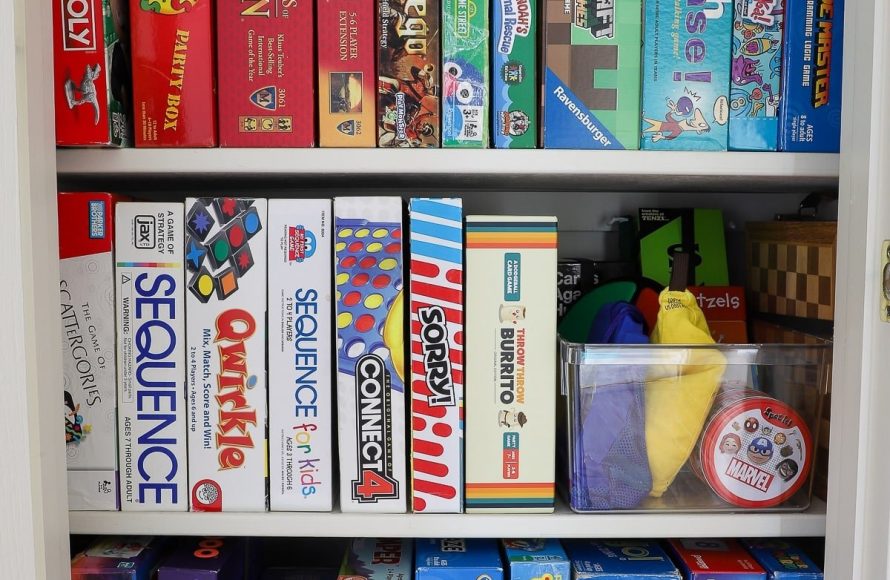
Storing board games best happens in cool, dry locations like closets, shelves, or under beds, away from direct sunlight and moisture.
Board games bring so much joy to gatherings, but finding the right spot for them can feel like a game itself. It’s not just about tucking them away; it’s about protecting your collection for future fun. Considering where to store board games is crucial to keep them in top playing condition.
Many factors influence the best choice of location, such as space availability and environmental conditions. We all want to protect our investment, so let’s explore the ideal options for you.

Where to Store Board Games
Okay, let’s talk about a problem many game lovers face: figuring out where to put all those awesome board games! It’s easy to let stacks of boxes take over your home. But don’t worry, we can find great spots for your games. We’ll explore lots of places, from the obvious to the clever, making sure your game collection stays happy, safe, and ready for play.
The Obvious Choices: Living Rooms and Play Areas
Let’s start with the most common areas. These spaces are often the heart of your home and are usually where you’ll have game night.
Shelves and Bookcases
Shelves are a classic for a good reason! They are perfect for displaying your games and allow easy access. Here’s how to make the most of them:
- Organize by Size: Put the larger, heavier boxes on lower shelves and smaller boxes higher up. This keeps things stable.
- Showcase Your Favorites: Place your most-played games at eye level, so they are easy to grab. This makes choosing a game a breeze!
- Use Bookends: If your shelves aren’t full, use bookends to keep the game boxes upright. No more toppling towers!
If you have a really big collection, you might consider getting some extra shelving just for your games.
Coffee Tables with Storage
Some coffee tables are like secret agents! They have storage inside. These are perfect for stashing away smaller games or games you play often.
- Hidden Storage: Games stored within a coffee table are out of sight when you’re not playing, which helps reduce clutter.
- Easy Access: These games are right where you’re likely to play, making it super convenient for a quick game.
- Dual Purpose: Coffee tables also provide a surface for gameplay when you need it.
Storage Bins and Baskets
Storage bins and baskets are great for a less structured approach, especially if you have lots of smaller card games, tile games or expansions.
- Categorize: Sort games into baskets by type (like card games, strategy games, etc.). This helps you find what you’re looking for.
- Portable Fun: Bins and baskets make it simple to move your games from room to room or bring to a friend’s house.
- Kid-Friendly: They’re great for kids because they’re easy to carry and to tidy up.
Thinking Outside the Box: Creative Storage Solutions
Sometimes, the best storage spots aren’t so obvious. Let’s explore some creative places for your board games.
Under the Bed
That space under your bed is often unused. It’s a perfect place for storing games, especially larger boxes or games you only play occasionally.
- Flat Storage: Slide games under the bed using flat storage containers.
- Dust Protection: Make sure the games are in a bin or box to protect them from dust bunnies.
- Out of the Way: Under-bed storage keeps the games out of sight, freeing up space elsewhere.
Closets and Hallways
If you have some extra closet or hallway space, these are excellent storage areas!
- Stacking: Use vertical space by stacking games carefully in closets, from the floor up.
- Dedicated Shelf: You can add a small shelf within a closet just for games.
- Out-of-Reach Games: Store games you don’t play often on high shelves, so they’re not in the way.
Attics and Basements: Proceed with Caution
Attics and basements seem convenient, but they come with some warnings. These spaces can be risky due to temperature and moisture changes.
- Temperature Control: Extreme heat or cold can warp game boards and damage components.
- Moisture Issues: Basements often have moisture, which can cause mold and mildew, ruining your games.
- Proper Protection: If you choose to store games here, use airtight containers and keep them off the floor to avoid damage from temperature and moisture.
If these are your only option, it’s important to check on your games often.
Behind Doors and On Walls
These are areas you might not think of immediately, but they can be really useful. A little creative thinking can go a long way.
- Over-the-Door Organizers: Use over-the-door organizers with pockets to hold smaller games or cards.
- Floating Shelves: Install floating shelves on walls to showcase games as part of your decor.
- Wall-Mounted Racks: Find or make wall-mounted racks to hold game boxes.
Organizing Your Games for Easy Access
Now that we’ve covered the “where,” let’s talk about “how”. Organizing makes choosing a game much easier and more enjoyable.
Sorting by Game Type
Grouping games by type is a helpful approach. Consider these categories:
- Strategy Games: Games that require planning and problem-solving, like chess or Settlers of Catan.
- Party Games: Games for large groups that are usually fun and quick, such as Cards Against Humanity or Codenames.
- Family Games: Games that can be enjoyed by players of all ages, like Candyland or Ticket to Ride.
- Card Games: Games that primarily use cards, like Exploding Kittens or Magic the Gathering.
- Cooperative Games: Games where players work together, like Pandemic or Forbidden Island.
- War Games: Games which recreate war conflicts and require lots of planning and strategy.
Using Labels and Color-Coding
Labels and color-coding help you quickly spot the game you want.
- Labels on Shelves: Attach labels to shelves or bins that indicate the type of games inside.
- Color-Coded Bins: Use different colored bins or baskets for different categories of games.
- Custom Labels: Make fun, personalized labels with game names or categories.
The “Play It Soon” Pile
Create a pile of games that you want to play very soon. Having this pile encourages you to play those games before they get tucked away again.
Game Inventory
It might seem like an extra step, but having a list of your games is super helpful, particularly for large collections. You can use a notebook, a spreadsheet, or a game tracking app.
- Prevent Double Purchases: Knowing exactly what you own means you won’t accidentally buy the same game twice.
- Easy Game Selection: A list helps you find a game quickly when you can’t remember all of your collection.
- Track Game Plays: You can even note which games you’ve played recently or how much you enjoyed each of them.
Protecting Your Board Games: Tips for Long-Term Storage
Beyond just storing them, you also want to take steps to ensure your games stay in top condition.
Protecting Components
Small game pieces and cards are easily lost, but you can avoid losing them.
- Zip-lock Bags: Use zip-lock bags to organize all the pieces. This keeps all the bits together, and it prevents them from getting lost.
- Small Boxes and Containers: Use small plastic boxes or containers to keep tokens, cards, and dice organized in their respective categories.
- Card Protectors: If the game has cards, consider using card protectors to prevent the edges from becoming damaged.
Dealing with Humidity and Sunlight
Sunlight and humidity can be a board game’s worst nightmare!
- Avoid Direct Sunlight: Keep games out of direct sunlight to avoid fading or discoloration.
- Humidity Control: Use dehumidifiers in humid areas or include silica packets in storage boxes. This will protect the cards and other components.
- Proper Ventilation: Ensure good air flow in storage spaces to prevent the buildup of humidity.
Stacking Smart
Stacking is common, but here’s how to do it safely:
- Flat and Even: Stack boxes flat and evenly to prevent warping of the box.
- Heaviest on the Bottom: Put the heavier game boxes on the bottom to avoid squishing the lighter ones.
- Avoid Stacking Too High: Don’t stack boxes too high, to prevent toppling.
Regular Checks
Every now and again check up on your stored games.
- Component Check-Ups: Do a check to see if any pieces are missing or damaged.
- Clean and Dust: Gently wipe down boxes and components to keep them clean and free of dust.
- Rotation: Reorganize games to play the ones at the bottom of the pile. This avoids having certain games that are never seen.
Adapting Storage Solutions to Your Lifestyle
Finally, remember that the best storage system is the one that fits your life. What works for one person might not work for another.
Apartment Living
Limited space? Think vertical and multi-purpose.
- Wall-Mounted Solutions: Maximize wall space with shelves and racks.
- Multi-Functional Furniture: Choose furniture with built-in storage.
- Portable Storage: Use bins and baskets you can quickly move.
Family with Kids
You need accessibility and durability.
- Low Shelves: Choose low shelves or easily accessible storage for kids.
- Sturdy Storage: Use plastic bins and baskets that are hard to break.
- Designated Area: Create a specific area where kids can keep their games.
Dedicated Game Room
If you’re lucky enough to have a dedicated space, make it a showplace!
- Open Shelving: Show off your collection with open shelves.
- Game Tables: Include a large game table for regular play.
- Organized Drawers: Have organized drawers for game components and accessories.
Finding the perfect spot for your board games can be a fun challenge. With the right combination of space and organization, you can keep your collection safe, accessible, and ready for the next game night. The key is to think creatively, adapt to your situation, and make the most of the space you have available.
Board Game Organization | Organization Hack | How to organize board games
Final Thoughts
Ultimately, the best place to store board games depends on your available space. Consider shelves, closets, or dedicated cabinets. Think vertically; stacking games can save room.
Assess each game’s size and frequency of play when deciding where to store board games. Utilizing under-bed storage or decorative boxes are clever choices for games played less often.

