
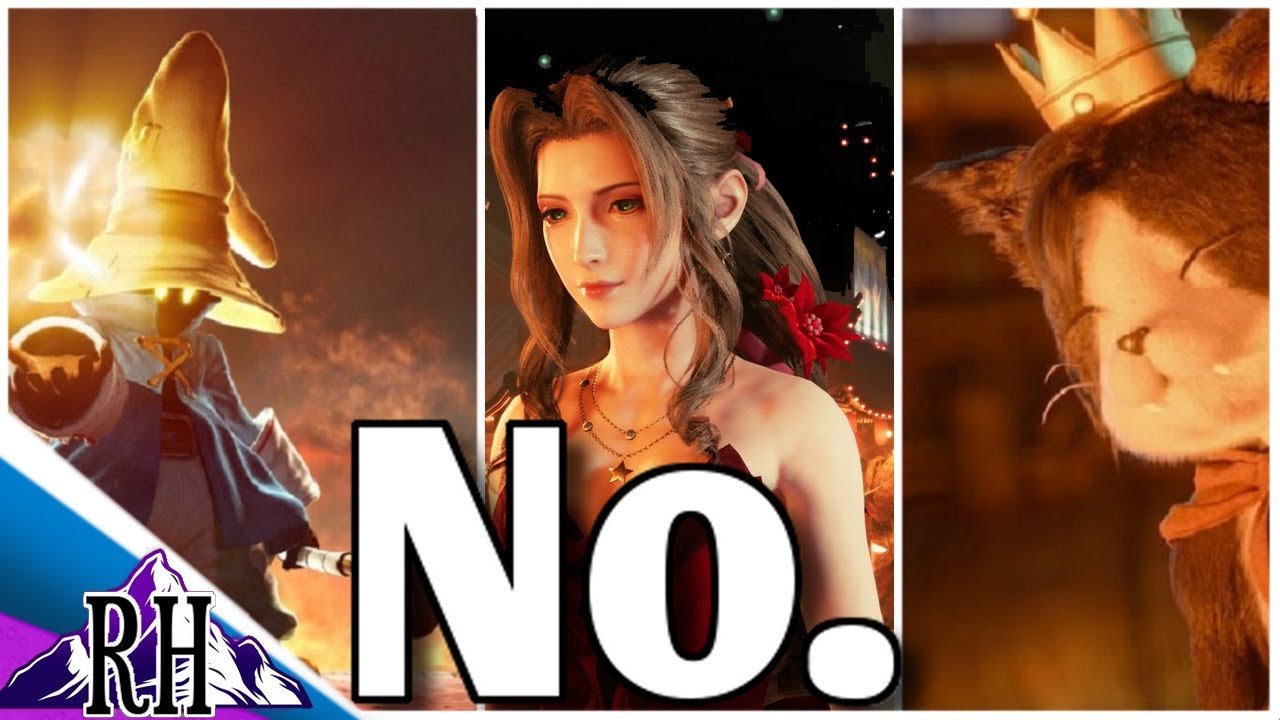
Only Final Fantasy X and X-2 are directly connected, sharing characters and story. Most other Final Fantasy games exist in their own separate universes.
So, you’ve delved deep into the worlds of crystal and conflict, and now you are wondering which final fantasy games are connected? The answer might surprise you; with so many titles, it’s easy to think they all share a vast, interwoven story.
However, unlike some franchises, each core numbered Final Fantasy title primarily crafts its own distinct narrative and world. You experience a new set of characters and unique magic systems. This is a key factor that makes each individual game so special.

Which Final Fantasy Games Are Connected?
Okay, so you’re a Final Fantasy fan, right? Maybe you’ve played a few, maybe you’ve played them all. And you’ve probably wondered, “Are these games all part of the same big story?” Well, the short answer is: mostly no. But it’s more interesting than a simple yes or no. Let’s dig in and explore the connections (and non-connections) between the Final Fantasy games.
The Magic of Standalone Stories
The first thing to understand is that most Final Fantasy games are like separate books in a library. Each one has its own world, its own characters, and its own story. You don’t need to play one to understand another. Think of it like reading a collection of fairy tales. They might all have magic and princes and princesses, but they aren’t connected. This is why the series is so popular; you can jump in anywhere! This is especially true for the numbered main series games like Final Fantasy I, II, III, IV, and so on up to the more recent games like Final Fantasy XVI. These games, each offer a unique and self-contained journey. Each numbered title introduces fresh, original characters, and compelling narratives, providing players with a standalone experience within the diverse Final Fantasy universe. The core experience is largely isolated to each numbered entry, allowing newcomers and veterans alike to pick up any game without feeling lost.
Key Elements:
- New Worlds: Each game offers a completely fresh world to explore, with unique geography, cities, and cultures.
- Different Characters: Meet a brand-new cast of heroes and villains in every game.
- Original Stories: Each game has its own plot, with its own themes and conflicts.
- Similar Systems: While stories are different, some game systems are consistent across multiple games, like the turn-based combat or summoning powerful creatures.
When Worlds Collide: Direct Sequels and Prequels
Now, just when you think things are simple, there are some exceptions! Some Final Fantasy games have direct connections. These are usually sequels or prequels. This means they share the same characters, world, or overarching story. It’s like the same characters going on a new adventure, or showing us a story that happened before. Let’s look at some prime examples:
The Fabula Nova Crystallis Universe:
This is a bit of a bigger example. Games like Final Fantasy XIII, Final Fantasy XIII-2, and Lightning Returns: Final Fantasy XIII are all connected. They tell the ongoing story of Lightning and her friends within the same world of Cocoon and Pulse. They are not just the same main character, the whole story flows through these three games. These games offer a deep dive into the lore and characters, demanding you experience them in order for full understanding. If you decide to skip one in the line, you will get confused about the story and will miss so much.
- Final Fantasy XIII: This is where the story of Lightning and her group of rebels begins against the fal’Cie
- Final Fantasy XIII-2: The story follows the main character Sera, Lightning’s sister and her battle through time and space.
- Lightning Returns: Final Fantasy XIII: This game takes the story further with the returning characters in an end-of-the-world scenario.
Final Fantasy VII and Its Compilation
Final Fantasy VII is a fan-favorite and has a whole web of connected titles. These aren’t all games. They include a movie, an animated short film, and more! This whole grouping is often called the Compilation of Final Fantasy VII. Here’s what that looks like:
- Final Fantasy VII: The original story of Cloud Strife and his battle against the evil Shinra Corporation and Sephiroth.
- Crisis Core: Final Fantasy VII: A prequel telling the story of Zack Fair.
- Dirge of Cerberus: Final Fantasy VII: A sequel focusing on the character Vincent Valentine.
- Final Fantasy VII: Advent Children: A movie sequel that happens a couple of years after the events of the original game.
Final Fantasy X and X-2
These two games are directly connected. Final Fantasy X-2 is a direct sequel that continues the story of Yuna and her friends in the world of Spira.
- Final Fantasy X: The story that follows Tidus and Yuna and their pilgrimage against Sin.
- Final Fantasy X-2: The story is focused on Yuna’s journey after the main events of Final Fantasy X, as she seeks to uncover a mystery.
Other Connected Games:
- Final Fantasy IV: The After Years: A direct sequel to Final Fantasy IV, it revisits the familiar cast and expands on their stories.
- Final Fantasy VII Remake & Rebirth: This is a modern reimagining of Final Fantasy VII, but it continues the story in a different way. The story follows events of the original game, but with new characters and with a changed perspective.
The Shared Threads: Recurring Themes and Concepts
Even when the games don’t share characters or worlds, there are still common elements that weave them together. These shared threads are like the family resemblances that make you say, “Yep, that’s definitely a Final Fantasy game.” These can give the feel that the games are connected even when they really are not.
Common Themes:
- Crystals: Many games feature powerful crystals that are essential to the world or hold a lot of power. They have different forms and stories but, at some level, most games have some crystals.
- Airships: These awesome flying machines are often a way to travel around the world.
- Summons: From the giant fire bird Ifrit to the diamond-covered creature Bahamut, powerful summons are a major part of battles in many Final Fantasy games. You will see many returning summons through many games.
- Chocobos: These cute, yellow birds are like the mascots of the series. They appear in almost every game.
- Moogles: These furry, winged creatures are known to be helpful throughout the world of the games. You often get help from them, and sometimes they have their own mini quests.
- Similar Job Classes: Like the White mage, or the Black Mage, or even the Warrior. You will see these jobs returning over and over again with the same functions.
- Musical Cues: A composer named Nobuo Uematsu composed for many games in the series, and his iconic melodies and styles carry over, giving the player a sense of familiarity when playing even a new game.
Even if these do not make the games connected in the story or plot perspective, they add to the core experience of Final Fantasy. Even though these are not connected, these core concepts are what makes a game a true Final Fantasy game.
The World of Spin-Offs: A Different Kind of Connection
Beyond the main numbered titles, there’s a huge world of spin-off games. These games often use elements of the main series in new ways. Some spin-offs are connected to the main titles, while others are separate stories. These games can bring familiar characters and settings from the main series, but usually will add something unique. Let’s take a look at a few:
The Dissidia Series
The Dissidia games bring together many heroes and villains from different Final Fantasy games in a crossover battle. It’s a great way to see your favorites from different titles in one place. This also brings a new perspective as you get to see the heroes you play with against each other.
Final Fantasy Tactics
The tactics games have a different battle system to the regular series. They have their own story, but often reference elements from the main series. This also can add to the familiar feeling. Although the battle system is different, the characters can still use the same jobs or classes as the other games.
Other Notable Spin-Offs
- World of Final Fantasy: This game has its own story but features chibi-style characters from many different Final Fantasy games.
- Final Fantasy Crystal Chronicles: This game is a series that uses the world of Final Fantasy but has its own standalone stories.
- Kingdom Hearts: This series is a crossover between Disney and Final Fantasy. It includes Final Fantasy characters within the world of Disney stories.
So, Are They Really Connected?
Ultimately, the connections between Final Fantasy games are like a beautiful tapestry with different threads. Some threads are tightly woven, with direct sequels and prequels. Other threads are looser, with shared themes, characters, and concepts. It’s up to you as a player to decide how you see the connections. Many might find that having these recurring elements make the game feel like they are connected in some way.
Each game offers a unique adventure, and that is the magic of the Final Fantasy series. The creators made these games to be standalone stories, so that anyone can jump in anywhere, without any prior knowledge, but have the same experience, and feel for the world of Final Fantasy. This is what makes the series so interesting and so popular, even after so many years.
Are Final Fantasy Games Connected? This is Dumb!
Final Thoughts
Final Fantasy games largely exist as standalone experiences with unique stories. Direct connections are rare. However, some titles like Final Fantasy X and X-2 share characters and setting.
The Final Fantasy VII compilation, including Advent Children, creates a larger connected narrative, though other games in the franchise don’t share these connections.
So, while the vast majority of Final Fantasy games are not connected, some few do share story elements. Which final fantasy games are connected mostly comes down to direct sequels and related media.

