
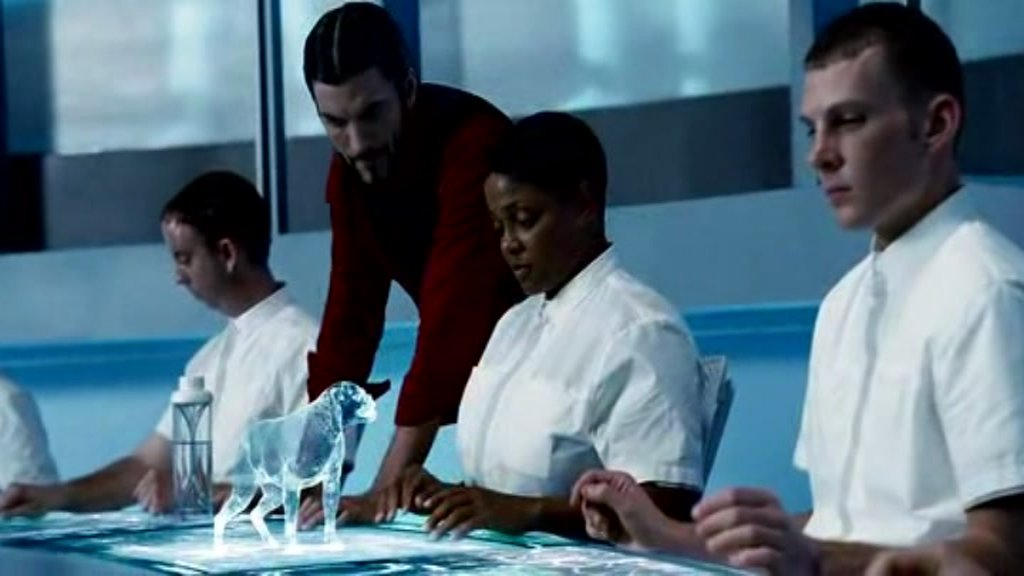
The Gamemakers in the Hunger Games are the individuals responsible for designing and controlling the arena and events within the annual competition.
Ever wondered about the minds behind the deadly spectacle of the Hunger Games? The games are not some random free-for-all. There’s a group of people meticulously crafting every twist and turn. So, who are the Gamemakers in the Hunger Games exactly, the architects of this televised horror? They’re the ones who build the arena, set the traps, and manipulate the environment to increase the drama and pressure on the tributes. They’re the puppeteers of the competition, influencing the flow of events from their control room.

Who Are the Gamemakers in the Hunger Games?
Ever wondered who’s behind all the crazy challenges and deadly traps in the Hunger Games arena? They’re not just random people throwing things together. They’re the Gamemakers! These individuals hold a lot of power and are crucial to the Games. Think of them as the stage directors for a terrifying play, one where the actors are fighting for their lives. Let’s dive deep into what makes these characters so interesting, how they plan the Games, and who some of the important Gamemakers are.
The Role of a Gamemaker
The Gamemakers are the people who design and control every aspect of the Hunger Games arena. They’re like architects, engineers, and directors all rolled into one. Their job is to make the arena a dangerous and entertaining place for the citizens of Panem to watch. They’re not just creating obstacles; they’re creating a spectacle. Their primary aim isn’t just to kill the tributes but to make each death a dramatic moment. The Gamemakers wield the ability to shape the entire course of the Games. They decide where to put resources, which traps to trigger, and even when to introduce unexpected events.
Designing the Arena
Creating a Hunger Games arena is a huge task. It’s not like designing a playground! The Gamemakers need to think about several things when they’re planning an arena:
- The Terrain: Will it be a jungle, a desert, a snowy mountain, or something else entirely? The terrain greatly influences how tributes can move and hide. Some terrains favor different skill sets, giving some tributes an advantage over others.
- Resources: Where will the food, water, and weapons be located? Gamemakers strategically place these items, often in areas that force tributes into dangerous situations. The placement of essential resources becomes a strategic focal point.
- Hazards: From muttations (genetically engineered creatures) to natural disasters, Gamemakers include things to keep the tributes on their toes—or rather, on the run. These dangers don’t just add excitement; they push the tributes to their limits.
- The “Show”: The Gamemakers consider how the arena will look on camera. They’re thinking about the audience at home in the Capitol and how to make each moment thrilling and impactful. It’s all about making good TV, even if that means tragedy for the tributes.
Controlling the Arena
The Gamemakers don’t just design the arena; they also control it during the Games. This means they can:
- Trigger traps: They can activate hidden traps, like landmines, electrical fences, and other dangerous elements to put the tributes in harm’s way. This keeps the tributes on edge and creates moments of sudden drama.
- Release muttations: They can send in genetically engineered creatures at any time. These muttations can be incredibly dangerous and add an extra layer of fear.
- Change the environment: The Gamemakers have the power to alter the arena. They might start a fire, flood an area, or cause other environmental changes that keep things chaotic.
- Send gifts: Sometimes, the Gamemakers send gifts or supplies to tributes. This isn’t out of kindness; it’s to influence the direction of the Games and possibly provoke conflict.
Important Gamemakers
While many Gamemakers have worked behind the scenes in the Hunger Games, some stand out more than others. Let’s look at a few of the key figures:
Seneca Crane
Seneca Crane is introduced in the first Hunger Games book. He’s the Head Gamemaker for the 74th Hunger Games, and he’s very interested in making the Games entertaining. Seneca is known for his dramatic flair, always aiming to create a memorable show. He plays a significant role in shaping the narrative of the games that Katniss Everdeen is involved in. He’s the one who allows the “double victor” rule change, which is a big turning point in the story. He also isn’t afraid to make controversial decisions. Although Seneca tries to play to the audience, his decisions ultimately lead to his downfall when he goes against President Snow and is punished severely.
- Strengths: Creative arena designs, understanding of audience engagement. He had a gift for creating visually arresting scenarios.
- Weaknesses: Not good at understanding political implications, easily manipulated by President Snow. He lets his creativity get him into trouble, making him vulnerable.
- Key Actions: Allowing the rule change for two victors, introducing muttations, using a dramatic flair to control the arena and the narrative of the games.
Plutarch Heavensbee
Plutarch Heavensbee takes over as Head Gamemaker for the 75th Hunger Games, also known as the Quarter Quell. However, his role is far more complex than Seneca’s. Plutarch is part of the rebellion against the Capitol, and his actions during the Quarter Quell are actually designed to help the rebellion. He is a master of deception, his outward persona as a loyal Gamemaker hiding his true allegiances. His motivations are more about political strategy than making the arena exciting. He uses his position to further the cause of the rebellion, making the Games a tool for change rather than just a show.
- Strengths: Master strategist, politically aware, able to manipulate situations for larger goals. Plutarch has a unique understanding of political moves.
- Weaknesses: His deception requires him to play a dangerous game, he needs to maintain his fake identity.
- Key Actions: Designing the Quarter Quell arena to facilitate the rebellion, subtly helping Katniss and other rebel tributes escape. He uses the games as an avenue for furthering the rebellion.
Other Gamemakers
While Seneca and Plutarch are the most prominent, there are other Gamemakers we see or hear about:
- Portia: Though not a Gamemaker in the arena sense, Portia is part of the prep team. She creates the costumes that the tributes wear during the opening ceremony. Her artistic decisions help Katniss make a lasting impression on the Capitol and the sponsors.
- Haymitch Abernathy: Although a victor of the Games, Haymitch becomes a reluctant mentor. His experience in the arena provides him with the knowledge to understand the inner workings of the Games. He provides insights into the mindset of the Gamemakers, making him an invaluable advisor to Katniss.
- Various Unnamed Gamemakers: There are many other unnamed Gamemakers who participate in the planning and control of the Hunger Games. These individuals bring different skills and ideas to the process. They are all important because they collectively contribute to the complexity of the Games.
The Gamemakers’ Mindset
Understanding the Gamemakers means understanding their unique way of thinking. Here are some key aspects of their mindset:
The Audience is Key
For the Gamemakers, the audience in the Capitol is the most important factor. They’re constantly trying to make the Games more thrilling and memorable for the viewers. This can be seen in their use of dramatic twists, visually stunning environments, and the introduction of new challenges. The Gamemakers are more focused on entertainment than the human lives at stake. They see the tributes as pieces in a grand show. They’re less concerned with the well-being of the tributes and more about the spectacle.
Playing God
Gamemakers have a sense of power over the tributes. They decide where they will sleep, what they will eat, and when they will face danger. This feeling of control can make them see themselves as all-powerful. They literally hold the lives of the tributes in their hands. They can influence the outcome of the Games by manipulating the environment. This can lead to a disconnect from the suffering of the tributes. The Gamemakers often appear detached, almost as if they don’t see the tributes as real people.
Creativity and Strategy
Gamemakers are not just about causing chaos; they also use strategy and creativity. They need to design the arena carefully so that it creates conflict and draws in an audience. They must think through how the terrain will affect the tributes, how resources can be made scarce, and how to force tributes to take risks. The best Gamemakers are also very good at understanding what the Capitol citizens want to see, incorporating drama, romance, and action into the arena. They use their creativity to make each Games unique and memorable.
The Ethics of Being a Gamemaker
The role of a Gamemaker is a morally complicated one. They’re essentially orchestrating the deaths of children for entertainment. Many characters in the books grapple with the ethics of these practices. The inherent cruelty of the system and the participation in it raises serious moral questions. The Gamemakers are both creators and destroyers, and it is hard to view them as anything but complex individuals, given the circumstances.
The Capitol’s View
From the perspective of the Capitol, the Gamemakers are artists and vital contributors to their entertainment. They are praised for their inventiveness and creative designs. The citizens of the Capitol are largely desensitized to the violence of the Games. They admire the Gamemakers for their ability to deliver an exciting show, often without concern for the lives of the tributes.
The Dissenting View
From the perspective of those who live in the districts, and even some within the Capitol like Plutarch, the Gamemakers are monsters who are responsible for unimaginable cruelty. They see them as the architects of suffering, the enablers of the Capitol’s tyranny. Many characters within the book and the movies are vehemently against the Games, and the actions of the Gamemakers are viewed with disgust and anger. These opposing views highlight the complex moral questions surrounding the Games and the role the Gamemakers play in them.
In conclusion, the Gamemakers in the Hunger Games are much more than just stage managers. They’re a reflection of the cruel, manipulative world of Panem. They’re architects of destruction and their role in the Games is essential to the story. From Seneca Crane’s dramatic flair to Plutarch Heavensbee’s calculated rebellion, each Gamemaker contributes to the gripping narrative of the Hunger Games.
me if i was in the hunger games 🤣🤣 #shorts #comedy #relatable #hungergames
Final Thoughts
The Gamemakers are pivotal characters; they design and control the arena’s dangers. They manipulate the environment to create maximum spectacle for the Capitol audience. Their actions directly impact the tributes’ survival and are crucial to the Games’ narrative.
Ultimately, who are the gamemakers in the hunger games? They are the architects of fear and despair within the arena. Their power is absolute as they dictate the course of each terrifying event. This control shapes the entire hunger games experience.

