
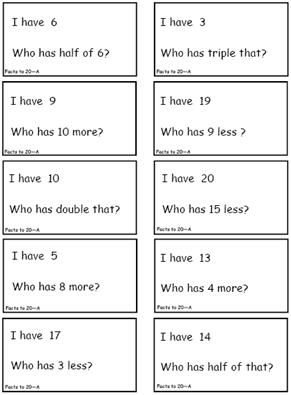
The ‘who has i have game’ involves a group of people, each holding a card with a statement like ‘I have…’ and another statement ‘Who has…?’ The game proceeds as players read aloud their ‘Who has…’ question, and the person holding the corresponding ‘I have…’ card responds.
Ever wondered about a simple yet engaging activity that brings people together? It’s the ‘who has i have game,’ a fantastic way to entertain and learn. This game promotes active listening and quick thinking.
It is played with cards, each having a ‘I have’ statement and a ‘who has’ question. Players take turns, responding to the ‘who has’ question on each card. It is quite fun, and can be used for various subjects too!

Who Has I Have Game: A Deep Dive into Fun Learning
Let’s talk about a game that’s more than just fun—it’s a sneaky way to learn! The “Who Has, I Have” game is a classic that has entertained kids (and even some grown-ups!) for ages. But what makes it so special? It’s not just about passing cards around; it’s about listening, thinking, and connecting ideas. It’s a simple game, but it packs a punch when it comes to learning. We will break down everything you need to know about this amazing game in detail. This will include the basics of playing, its educational value, creative uses, and how to make your own cards. So let’s get started!
The Core Mechanics of “Who Has, I Have”
At its heart, the “Who Has, I Have” game is a matching activity, but with a twist. Each card contains two parts: a “Who Has…” question and an “I Have…” answer. The game begins when one player reads their “Who Has…” question aloud. The person holding the card with the matching “I Have…” answer speaks up, says their answer, and then reads their “Who Has…” question, which continues the game loop. This creates a chain reaction, where the game progresses through each card in the deck. The flow continues until every card has been used. Let’s look at the steps more clearly:
- The Start: A card is chosen to start the game, usually at random.
- Reading the Question: The player with the starting card reads the “Who Has…?” part aloud. For example, they might ask, “Who has the letter ‘A’?”
- The Answer: The person who has the card with the matching “I Have…” part responds with their answer and reads their “Who Has…” question on their card. They might say, “I have the letter ‘A’. Who has the number ‘5’?”
- Continuing the Game: The player who has number ‘5’ will then continue the chain by reading the I have section and then the who has section of their card, and so on.
- The Finish: The game ends when the sequence of cards circles back to the beginning card.
The game’s simple rules make it easy for players of all ages and skill levels to participate. The most important aspect of the game is listening skills. Each player must listen closely to the “Who Has…” question to know if it matches their “I Have…” answer.
Why “Who Has, I Have” is a Fantastic Learning Tool
This simple game is far more than just fun. It actually helps improve various important skills. Here are some of the primary educational benefits:
Boosting Listening and Attention Skills
The game really helps kids become better listeners. They need to pay close attention to the questions to know when it is their turn to respond. This constant engagement with the spoken word greatly enhances their focus, attention span, and comprehension abilities. If they miss their turn, the game will have to start again, which encourages them to stay alert.
Enhancing Vocabulary and Language Development
Depending on the themes and words used in the cards, the game can assist in building vocabulary. Each time a child hears or says the words on the cards, they increase their exposure to and understanding of language. This helps build a child’s language and vocabulary skills naturally. The game provides repeated exposure, helping them retain the meaning of new words.
Improving Memory and Recall
Players need to remember what they have on their cards and listen for the correct cue to respond. This repeated retrieval of information helps improve memory. The process of hearing the question, finding the matching answer, and then knowing when to respond strengthens their memory skills. They need to recall information and connect it with what they have on their card.
Developing Sequencing and Logical Thinking
The game’s sequential nature helps children to understand the concept of order. They have to follow the chain of questions and answers, which builds their logical thinking skills. The process of listening for their card and knowing when it is their turn really helps improve understanding of sequences. They also begin to understand the concept of cause and effect (a question leads to an answer).
Building Confidence and Social Skills
Participating in the game helps children build confidence as they succeed in responding correctly. Playing together encourages interaction, taking turns, and cooperation. This social engagement can be highly beneficial for kids learning to interact with others in a fun and structured manner.
Creating Your Own “Who Has, I Have” Game
The greatest feature of the “Who Has, I Have” game is its adaptability. You can easily customize it to suit any learning topic or age group. Creating your own cards allows you to tailor the content for a more engaging and educational experience.
Materials Needed
- Card Stock or Paper: Choose thick paper for durability.
- Scissors: To cut out the cards.
- Markers or Pens: For writing on the cards.
- Optional: Stickers, images, or laminating sheets for decoration and protection.
Designing Your Cards
Each card should have two sections: “Who Has…?” and “I Have…”. Here are steps to design your own set of cards:
- Choose a Theme: Decide what you want to learn through the game. Some popular themes include:
- Alphabet letters
- Numbers
- Shapes
- Animals
- Colors
- Sight words
- Historical events
- Science concepts
- Write the Questions and Answers: Develop a sequence of “Who Has…?” questions and matching “I Have…” answers that form a chain. Ensure that the “I Have…” answer on one card matches the “Who Has…?” question on another card.
- Keep it Simple: Make sure the cards are clear and easy to read. Use large, readable fonts for children.
- Number of Cards: Determine the number of cards you need. If you want to include everyone in class, you will need one card per student.
- Test Your Game: Before using the final deck of cards, test your game with a small group to be sure the game sequence flows correctly.
Tips for Designing Effective Cards
- Use Visual Aids: Include images or symbols to make the game more engaging for younger children. For example, include a picture of an apple on the card that has the word “apple.”
- Age Appropriateness: Match the difficulty of the words and concepts to the age and skill level of the players. Avoid using words or concepts that are beyond the child’s understanding.
- Vary the Content: Mix in some easy questions with some slightly challenging ones to keep kids involved. You do not want the game to be too difficult, or they will get frustrated. You also do not want the game to be too easy, or they will become bored.
- Laminate for Durability: If you plan to use the cards frequently, consider laminating them to prevent wear and tear. This also makes them easy to clean.
- Color-Code Cards: Using colored markers or card stock can add some extra fun and make each card unique.
Creative Ways to Use “Who Has, I Have”
The versatility of “Who Has, I Have” allows it to be used in many settings and for various learning objectives. Here are some creative ways to use the game:
Classroom Activities
- Lesson Introductions: Start a new topic by using “Who Has, I Have” to introduce key vocabulary and concepts. The game can help quickly introduce the main idea of the lesson.
- Review Sessions: Reinforce what has been taught by creating a game that covers the material of the past few lessons. It can also help them recall information.
- Learning Centers: Include a “Who Has, I Have” game in a learning center for students to play in small groups to review concepts. It will make the learning process fun.
Home Learning
- Family Game Night: Make family time fun by creating a “Who Has, I Have” game based on favorite topics or family memories. The game can be an enjoyable activity for all family members.
- Travel Activities: Design travel-themed cards for car or plane trips to keep kids busy and learning on the go. The game can keep them entertained during long trips.
- Homework Help: Create cards that cover homework topics to provide a fun way to review. It will make homework more engaging.
Special Education
- Individualized Education Plans (IEPs): Use “Who Has, I Have” to help support learning goals for children with special needs. It is a great tool for individual learning plans.
- Visual Aids: Provide cards with pictures and simple words for children with cognitive disabilities or learning disabilities to make learning easier. The visual aids will help them to understand.
- Fine Motor Skills: Allow students to create and decorate the cards to help with fine motor skills. This creative aspect of the game helps develop important motor skills.
Theme-Based Learning
- Holidays: Create games centered around holidays, like Christmas, Halloween, or Thanksgiving to make learning relevant. Holiday themed cards will get everyone excited to play the game.
- Seasons: Develop cards based on the seasons, like fall, winter, spring, or summer, to help children understand seasonal changes. The game will engage them in understanding about the changing seasons.
- Books: Make a game based on the characters and plot of a book to reinforce reading comprehension. This can be used for a book club or for classroom activities related to the books the class is reading.
Adapting the Game for Different Age Groups
The beauty of the “Who Has, I Have” game lies in its ability to be tailored for different age groups and skill levels. Here are some ways to adapt the game for various age ranges:
Preschoolers and Early Elementary
- Simple Concepts: Use basic colors, shapes, numbers, and letters.
- Visuals: Include pictures and images to help younger children recognize the words.
- Fewer Cards: Start with a smaller deck of cards to keep the game simple and easy to understand.
Upper Elementary and Middle School
- Complex Vocabulary: Use more challenging words, such as sight words, and complex vocabulary
- Abstract Concepts: Introduce concepts related to history, science, and geography.
- More Cards: Use a larger deck with more cards and more complex sequences.
High School and Adults
- Advanced Topics: Design cards that cover specific topics in subject areas such as advanced math, science, or literature.
- Problem-Solving: Create cards with logic puzzles and problem-solving scenarios.
- Debate Starters: Develop cards with discussion topics to encourage conversation.
Variations of the Game
While the core rules of “Who Has, I Have” are quite simple, you can try some different game variations to add some extra fun:
Timed Games
Time how quickly players can complete the sequence to add a competitive element. This variation requires kids to play fast, and they have to focus to keep the game on track.
Team Play
Divide players into teams and have each team work together to find the correct matching cards. This version of the game encourages cooperation and teamwork.
Modified Card Design
Use different shapes or designs for the cards to make the game visually more interesting. You can also print different designs on the back of the card to make the game more visually appealing.
Troubleshooting Common Issues
While the “Who Has, I Have” game is simple, some common issues may come up during play. Here are some troubleshooting tips:
Missing a Turn
If a player misses their turn, go back to the start card to keep the game on track. Or ask the person who should be going next to go next. Then you will have to pay attention so the game stays on track.
Misunderstanding Cards
Re-read the “Who Has…?” and “I Have…” sections clearly to help students understand the card. You may also need to give more explanation of concepts if the cards are more complex. Check to make sure everyone is on the same page before you start the game again.
Incorrect Answers
Check if the “I Have…” part of the card is really the correct answer to the “Who Has…?” question. If there is an error, you may have to fix the card or play a modified game. In the process of troubleshooting an issue, you can teach kids how important it is to verify information.
The “Who Has, I Have” game is an outstanding educational tool, which can be made fun with variations. Its simple design, combined with its adaptability, makes it great for learning environments, from the classroom to home. It has the ability to build essential skills and bring fun to any learning experience. By designing your own cards, you can tailor the game to meet specific learning goals and make sure everyone can benefit from this awesome activity. So, grab some paper, markers, and your creative thinking, and start making your own version of the “Who Has, I Have” game today!
I Have Who Has in Small Group
Final Thoughts
Ultimately, the ‘who has i have game’ is a fantastic learning activity. It requires focus and active listening. Players practice reading and communication skills.
The game promotes engagement and is easy to adapt. You can modify themes to suit different age groups. The simple concept makes it a versatile must-have.
Therefore, consider incorporating this into your next lesson.

