
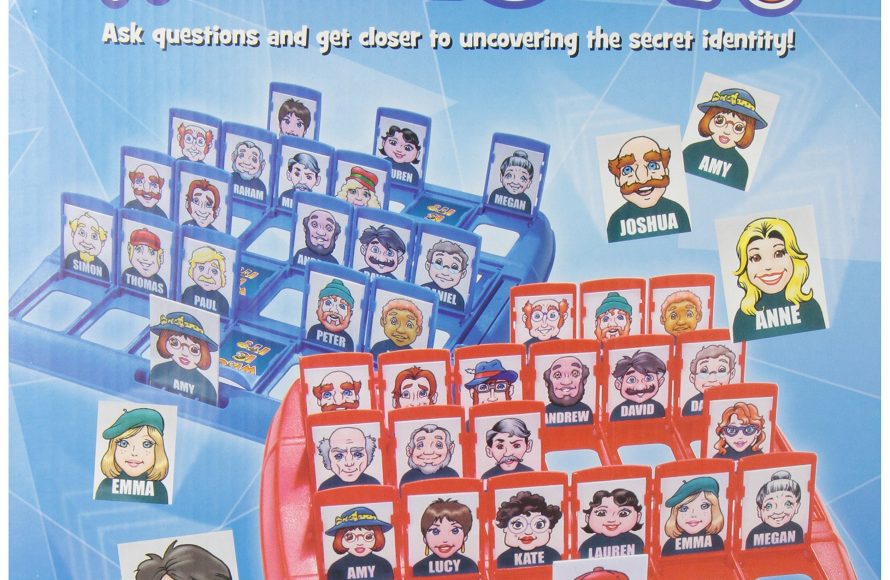
The “Who is it board game” is a guessing game where players ask yes or no questions to identify a mystery character on their opponent’s card.
Ever wondered about a game that tests your deduction skills and memory? The “who is it board game” is exactly that! It’s a classic that has entertained families for generations.
This simple yet engaging game requires players to ask strategic questions to eliminate characters. The excitement builds as you narrow down the possibilities. Can you guess who it is before your opponent does?

The Wonderful World of the Who Is It Board Game
Ever played a game where you have to ask clever questions to figure out a mystery person? That’s the magic of the “Who Is It?” board game! It’s a fun, easy-to-learn game that’s been a family favorite for years. But, have you ever wondered why this simple game is so much fun? Let’s dive into all things “Who Is It?”!
What Exactly Is the Who Is It Game?
At its heart, “Who Is It?” is a guessing game. Each player starts with a board filled with cartoon faces, and they each choose a secret character. Your goal is to guess your opponent’s secret character before they guess yours by asking them “yes” or “no” questions. It is a race to see who can make the most accurate deductions. Let’s see how to play in more detail:
The Game Setup
Before you can get to the fun part of guessing, you must set up the game! Here’s how you do it:
- The Game Boards: Each player gets their own game board, which is usually a plastic grid with small windows. These windows reveal the different character cards on your board.
- The Character Cards: These are cards featuring a variety of faces – some with glasses, some with beards, some with hats, and so on. Players shuffle the deck and each player chooses a character without letting their opponent see which character they chose.
- Setting the Characters: All the character cards are placed in the slots on each player’s game board, where each player can view all the characters on their own board. This is where the fun begins!
How to Play
Playing “Who Is It?” is simpler than you may think:
- Start with the First Player: Decide who will start the game. Often, younger players go first.
- Ask Your Question: The first player asks a question about the secret character on the other player’s board. The question should only be answerable by a “yes” or a “no.” For example, “Does your character wear glasses?”
- Eliminate Characters: Depending on the answer, the player then closes the windows of the characters that don’t match the answer. If the answer to the glasses question is ‘yes’, all the characters without glasses can be eliminated.
- Take Turns: The players keep taking turns asking questions and eliminating characters based on the answers they receive.
- Make a Guess: When a player thinks they know the identity of their opponent’s secret character, they can make a guess instead of asking a question. If they guess correctly, they win! If they guess wrong, they lose the game.
Why is the Who Is It Game So Popular?
“Who Is It?” is a classic for many reasons. It’s not just a game; it’s a fun way to learn and grow. Let’s look at some reasons for its lasting popularity:
It’s Easy to Learn
One of the big reasons why kids love “Who Is It?” is that it is so easy to learn. You don’t need to read long rulebooks. You can start playing right after opening the box. That makes it perfect for family game night, especially when you have younger kids playing with older ones.
It Improves Logical Thinking
Playing “Who Is It?” sharpens your thinking skills. You have to think carefully about what questions to ask in order to remove the maximum number of people on your board and zero in on the mystery person. This kind of strategic questioning is great for developing logical reasoning. Kids learn how to think about characteristics and categorize them.
It Encourages Asking Effective Questions
The game is all about asking the right questions. For instance, instead of asking, “Is your character Bob?”, which would give away the answer immediately, kids learn to ask about features like “Does your character have a mustache?” This practice helps kids learn to frame their questions more strategically, which is a valuable skill.
It’s Social and Engaging
“Who Is It?” is a very interactive game. It’s a perfect way to spend time with your family, especially on a rainy day. It’s a game where talking and interacting is a big part of the fun. Kids can play with friends, siblings, and parents, making it a versatile game for different groups.
It’s Great for All Ages
It’s a game that kids of all ages can play and enjoy, making it a staple in many families. Even adults enjoy the simple, engaging challenge of the game.
Variations and Customization
The core game play of “Who Is It?” is always the same, but there are many ways to add some spice to it or create your own version.
Different Character Sets
Some versions of the game come with different character cards. Some might have animals, while others might feature characters from popular movies or TV shows. This change in the characters offers a fresh feel every time, even when you are playing the same basic game.
Make Your Own Who Is It Game
You can make your own version of “Who Is It?”! It is a fun project and you can personalize the game for your friends and family. Here is how:
- Gather Pictures: Collect pictures of people that you know, like family members or friends. You can print these or cut them from magazines.
- Create a Game Board: You can use a piece of cardboard or poster board to make your game board. Divide it into a grid, or just use a simple grid pattern.
- Attach the Pictures: Securely attach the photos to the board. You can use tape or glue.
- Play: Follow the same rules as the regular “Who Is It?” game.
Adding More Complex Rules
Some people add extra rules to the game to make it more challenging. For example, you could limit the number of questions each person can ask per round or make it so that the characters can have more than one feature each round, such as ‘hat and a beard’. This changes the way the game is played and makes you think outside of the box.
Strategies to Win at Who Is It?
Although “Who Is It?” is simple, you can try to use some helpful strategies to get a better chance of winning:
Start with Broad Questions
At the start of the game, ask questions about general characteristics to knock out many characters at once. Instead of asking about very specific things, like “Does your character have a red hat?” start with broader questions, such as “Is your character male or female?” or “Does your character have facial hair?” This helps eliminate half the characters off of the board early in the game.
Focus on Key Features
When you are asking questions, try to focus on characteristics that are present on many of the cards. Things like hair color, eye glasses, or hats are good features to start with. These traits are common among the characters and can be used to narrow down the options faster.
Keep Track of Your Questions
It is helpful to remember the questions you have asked and the answers you received. That way, you can make sure not to ask the same question again, and it will help you think about what might be different about the character you need to guess.
Pay Attention to What Your Opponent Asks
Make sure to think about the questions that your opponent is asking you. This can give you clues about the identity of their secret character. For instance, if they keep asking about hair color, it could be a sign that they are narrowing down their choices to a certain color.
Be Strategic with Your Guesses
You do not have to guess immediately when you have an idea, and you can ask a few more questions to be sure about your guess. It is important not to guess too soon, or you might lose by guessing wrong. Wait until you have eliminated most of the characters so that you have very few options left.
The Educational Value of “Who Is It?”
Beyond the fun, “Who Is It?” offers many educational benefits. It’s a game that helps kids develop important thinking skills.
Developing Deduction Skills
The process of asking questions and eliminating possibilities helps kids practice making deductions. They learn to gather information, analyze it, and come to a logical conclusion. These skills are useful in school and everyday life.
Enhancing Communication
“Who Is It?” encourages kids to ask clear and precise questions. They learn how to phrase their questions effectively to get the answers they need. This helps them improve their communication skills and how they interact with others.
Boosting Vocabulary
Playing the game helps kids learn to use descriptive words. They will learn vocabulary words such as ‘beard’, ‘mustache’, ‘glasses’, ‘blonde’, and ‘brunette’. It increases their ability to use different adjectives and improves their vocabulary in a fun, engaging way.
Improving Focus and Concentration
The game requires focus and concentration. Kids need to pay attention to the questions asked and the answers given. This practice improves their ability to focus and concentrate on one task, which is a useful skill for many areas of life.
The Enduring Appeal of a Classic
The “Who Is It?” game continues to be a favorite among families for a reason. It’s simple to understand, yet it provides endless fun and learning opportunities. It’s more than just a game; it’s a fun way to bond with family and friends, develop important skills, and enjoy a bit of friendly competition. If you have not played the “Who Is It?” game yet, then it is a perfect time to give it a try and create some great memories!
Guess Who! #shorts
Final Thoughts
In short, “who is it board game” offers simple yet engaging fun for all ages. Its straightforward guessing mechanic ensures easy gameplay. The game is great for quick family gatherings.
Players enjoy the challenge of deducing the mystery character. It encourages observation and critical thinking skills. This makes it a wonderful addition to game nights.

