
Rainsford is the protagonist in “The Most Dangerous Game.”
The chilling tale of “The Most Dangerous Game” poses a fascinating question: who is the protagonist in the most dangerous game? We often assume the hunter is the hero, but in this narrative, the roles get blurred. The story explores the dangerous game of hunting, and its characters’ actions paint a complex picture. Is it the celebrated hunter, or the hunted prey that deserves the title? The answer may be less obvious than you think.

Who is the Protagonist in The Most Dangerous Game?
Okay, let’s dive into the exciting world of “The Most Dangerous Game” and figure out who the main character, or protagonist, really is. When we think about stories, the protagonist is the character we usually follow and root for. They’re the ones who drive the story forward. But sometimes, figuring out who the protagonist is can be a little tricky, especially in a story like this one. While many people might instantly think it’s Rainsford, because he is the one who we follow throughout the story, it’s not a simple answer. Let’s break down why it’s not as clear cut as you might think!
The Traditional View: Rainsford as Protagonist
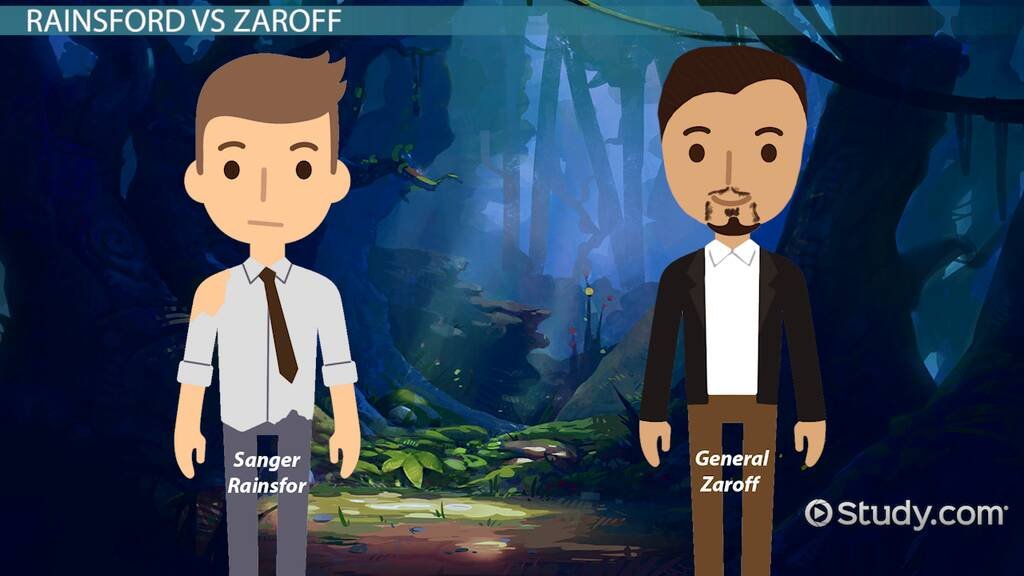
Most readers naturally gravitate toward Sanger Rainsford as the protagonist. He’s the character we spend the most time with, the one whose thoughts we know, and the one facing the immediate danger. We see the story unfold from his perspective. Think about it: Rainsford is a famous hunter who falls off a yacht and ends up on a mysterious island. He faces challenges, he’s hunted, and he’s trying to survive. That sounds like the perfect recipe for a protagonist, right? Let’s look at some key factors that make Rainsford seem like our main guy:
- Perspective: The story is primarily told from Rainsford’s point of view, giving us access to his thoughts and feelings.
- Action: He’s the one actively trying to escape and survive the horrific game that Zaroff has devised. He’s the one making plans and trying to outsmart his hunter.
- Change: Rainsford’s experience on the island forces him to confront his own views on hunting and being hunted, leading to a kind of transformation.
These points make a strong case for Rainsford as the protagonist. He’s the one we’re invested in, and we want him to succeed in his struggle against Zaroff. We are on his side, and we follow his journey of survival and desperation. We are hoping for him to win against the cruel game.
Challenging the Norm: Is Zaroff Also a Protagonist?
Now, let’s consider a twist. Could General Zaroff also be viewed as a protagonist, or at least as a character with protagonistic qualities? This is where things get interesting. While Zaroff is definitely the antagonist, the character who opposes the protagonist, he does have characteristics that make us think about things a little differently.
Here are the reasons why Zaroff might blur the line between antagonist and protagonist:
Zaroff’s Driven Purpose
Zaroff is not simply a villain for the sake of being evil. He has a driving force, a purpose, that is the foundation for his actions. He is bored with hunting animals, because it does not provide him with the challenge that he needs. He’s looking for an opponent worthy of his skill and intelligence. Zaroff has created his own moral system, where he justifies hunting humans as a way to provide an intellectual and a physical challenge. He explains his view of the world to Rainsford. His actions stem from a well-developed ideology, even if we find this ideology horrifying. This focus on a clear goal and his active pursuit of it adds to the complexity of his character, which makes us see him as a strong figure in the story.
Zaroff as the Story’s Driver
Let’s be honest, without Zaroff, there would be no story! He sets up the challenge, creates the playing field, and controls the flow of the game. In many ways, Zaroff is the one who actively shapes the narrative and the events. He is the reason for Rainsford’s suffering. This role makes him more than just a flat bad guy; he’s a powerful force who propels the story.
The Allure of Complexity
Zaroff, despite his cruelty, is a complex character. He is highly educated, intelligent, and has refined tastes. He is not a simple thug; he is a cultured hunter who likes the finer things in life. He thinks in a very different way from many others. This complexity makes him intriguing and makes us analyze his perspective and motivations. Zaroff is a fascinating figure because of his twisted logic and how well he explains it. This kind of complexity in a character is often the mark of a central figure or a protagonist, even if that character is morally bankrupt.
While Zaroff is clearly the antagonist, his strong purpose, his role in driving the plot, and his complex nature add layers to the narrative. These reasons can lead to the conclusion that he does possess protagonist characteristics.
The Gray Area: The Case for a Dual Protagonist Approach
Perhaps, the most intriguing way to look at “The Most Dangerous Game” is to consider the possibility of dual protagonists. In this reading, both Rainsford and Zaroff share the spotlight and each have a significant role in driving the narrative.
The Two Sides of the Same Coin
Rainsford and Zaroff, in many ways, represent two sides of the same coin. They are both accomplished hunters, intelligent, resourceful, and share a love of the hunt. However, their views on what is an acceptable quarry for hunting are fundamentally different. Rainsford believes in hunting animals; Zaroff is obsessed with hunting humans. By having these opposing beliefs, it helps to show the differences in how both men see their surroundings and ethics. Their conflict is not just about physical survival; it’s a clash of philosophies.
Complementary Roles
The story is not just about Rainsford trying to escape. It’s also about Zaroff testing his skills and philosophies. They are like two main chess players, each planning their next move, reacting to the other’s actions. Their characters complement each other and are essential to the story. Zaroff provides the challenge, while Rainsford provides the reaction and the will to survive. Each of their roles are so crucial to one another, and without either of the roles, the story would not work as effectively as it does.
Thematic Exploration
By considering both Rainsford and Zaroff as protagonists, the story becomes a more powerful exploration of hunting, the nature of being human, and the blurred lines between hunter and hunted. The readers are encouraged to consider how a person can become a monster, and if humans are all capable of the same cruelties. This dual protagonist approach elevates the thematic complexity of the story, and helps to showcase all of the elements present.
Why It Matters: The Significance of the Protagonist Debate
So, why does it matter whether we consider Rainsford, Zaroff, or both as the protagonist? The debate changes the way we understand the story and its message.
Moral Ambiguity
If Rainsford is our sole protagonist, we automatically see him as the “good guy” battling the “bad guy” Zaroff. However, if we consider Zaroff as a secondary protagonist, it forces us to confront the complexity of the character and consider the moral questions in the story. Are hunters inherently cruel? Where is the line between hunting and murder? The ambiguity helps to give the reader a better understanding of the narrative.
The Nature of Survival
By analyzing the roles of each, we also consider different aspects of survival. Rainsford’s survival is about his physical escape and maintaining his humanity. Zaroff’s survival is linked to his beliefs and his desire to test his intellect. Looking at them both as protagonists allows us to view different aspects of the same theme.
Engaging With the Story
The debate encourages readers to think critically about the narrative and delve deeper into the story’s themes. It stops us from just passively reading the story and instead prompts us to question its underlying messages. It allows for different interpretations, making the story more interesting.
Final Thoughts on Who Leads the Game
Ultimately, who you see as the protagonist in “The Most Dangerous Game” is up to interpretation. Rainsford is the clear favorite, and he’s the character who we spend the most time with. However, Zaroff’s complex character and how he drives the story might make you question whether he might also be considered as a protagonist. Perhaps, the most satisfying answer lies in the idea of dual protagonists. This view allows us to appreciate the story’s complexity, explore its deeper themes, and understand the moral ambiguity that is at the heart of the narrative. No matter who you consider to be the protagonist, “The Most Dangerous Game” is a captivating tale that continues to fascinate us through its rich exploration of conflict and survival.
Characterization, Foreshadowing, & "TMDG"
Final Thoughts
Rainsford is the must-considered protagonist, although his hunter skills become survival tactics. He quickly shifts from hunter to hunted, making him the central character. The narrative follows his experience on the island.
Ultimately, “who is the protagonist in the most dangerous game” leads us to Rainsford. He drives the plot through his actions and reactions, even though Zaroff is a crucial figure. Rainsford’s fight for survival defines the story.

