
The specific college football teams that play in each bowl game are determined by their regular season record and conference affiliations, with selections made by bowl committees according to predetermined tie-ins and rankings.
Figuring out who plays in what bowl games each year can feel like a complex puzzle. Teams work hard all season for a shot at postseason glory, and bowl game assignments offer that opportunity. These games aren’t just random matchups.
Selection committees consider many factors, including a team’s win-loss record and conference standings. Bowl tie-ins also play a crucial part in determining who plays in what bowl games.
The selection process also involves choosing from the pool of eligible teams based on their national ranking. This system leads to some exciting and sometimes unexpected pairings each bowl season.

Who Plays in What Bowl Games?
Okay, everyone, let’s talk about something really fun: bowl games! You know, those exciting football games at the end of the college season? They’re not just any games; they’re special matchups between some of the best teams around. But how do teams get picked for these big games, and which bowl game is which? It can seem a bit confusing, but don’t worry, we’re going to break it all down so you understand exactly who plays in what bowl games. Think of it like a giant, exciting puzzle where teams try their best to earn their spot.
The Road to Bowl Season
Before we dive into specific bowl games, let’s talk about how teams actually get there. It’s not just random! A team needs to have a good season and win enough games to become “bowl eligible.”
What Does “Bowl Eligible” Mean?
For a team to get an invitation to a bowl game, it generally needs to win at least six games in a regular 12-game season. This rule, however, can sometimes change slightly, or a team with less than six wins might be invited if there are not enough bowl-eligible teams to fill all the bowl game slots. This is rare, though. The goal for any team at the beginning of the season is to get to that magic number of six wins, which guarantees their eligibility. Once a team is bowl eligible, it’s a big celebration, because it shows their hard work has paid off!
Conference Tie-Ins
A big part of bowl game selection involves something called “conference tie-ins.” Many bowl games have specific agreements to invite the top teams from certain conferences. For example, the Rose Bowl usually features the champions from the Big Ten and Pac-12 conferences. These tie-ins create great rivalries and matchups we all love to watch!
Selection Committees
While many games have conference tie-ins, some bigger bowl games, especially the College Football Playoff games, are selected by a special group called a “selection committee”. These committees are made up of experts who watch college football closely and pick the best teams for the most important bowl games. It’s a very serious job, and they try to choose the teams that have the best records and that deserve to play in the most high-profile games. They watch a lot of football!
Types of Bowl Games
Not all bowl games are the same! There are different kinds of bowl games with varying levels of importance and prestige. Let’s explore the main types of bowl games:
New Year’s Six Bowls
The New Year’s Six bowls are the most prestigious games outside of the National Championship Game. These games often feature top-ten teams, and winning one is a huge deal! These bowl games rotate as College Football Playoff semifinals every third year.
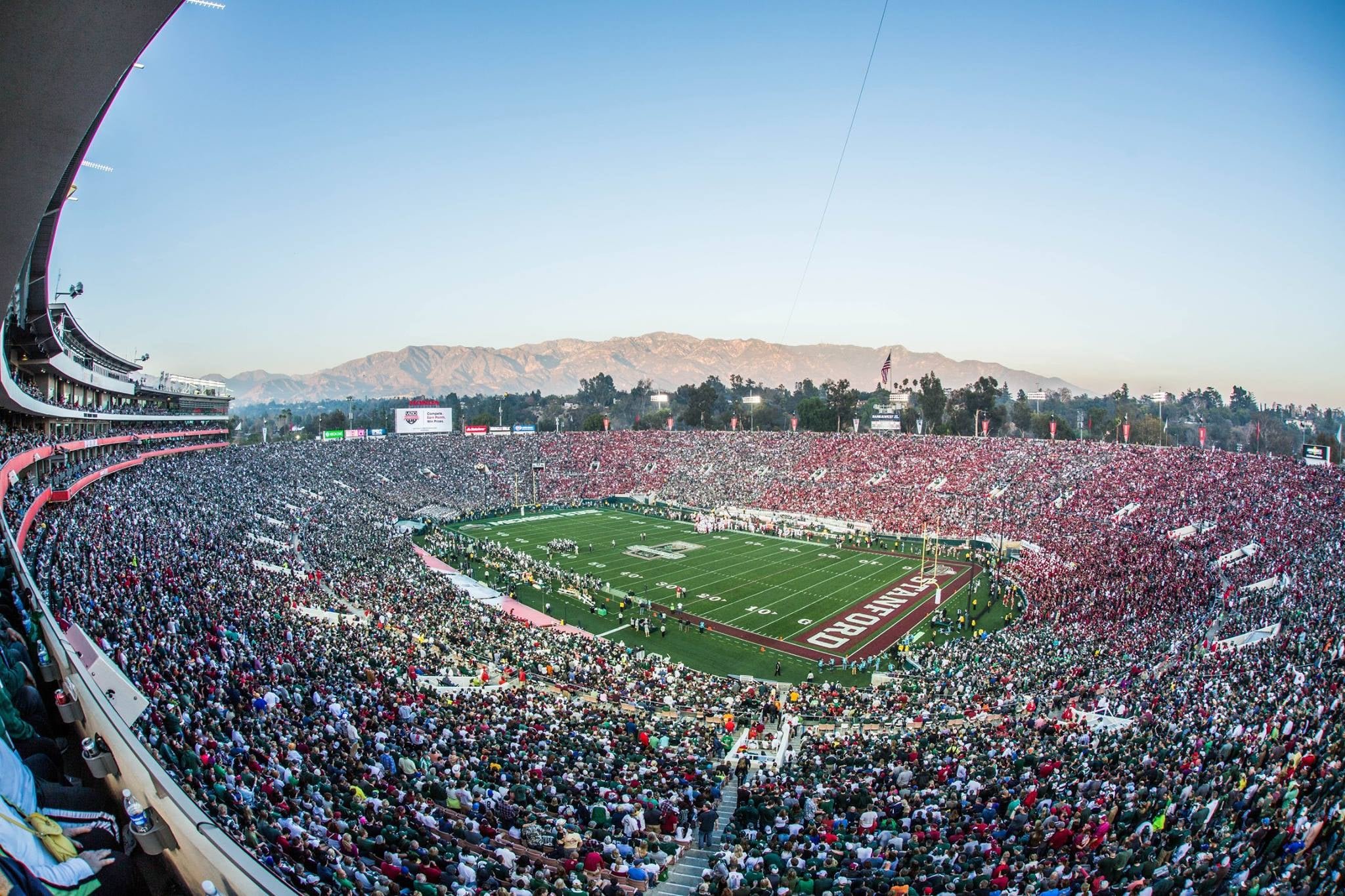
- The Rose Bowl: Played in Pasadena, California, the “Granddaddy of Them All” often features the champions of the Big Ten and Pac-12. It’s known for its beautiful setting and rich history.
- The Sugar Bowl: Hosted in New Orleans, Louisiana, this game traditionally has teams from the SEC and Big 12.
- The Orange Bowl: In Miami Gardens, Florida, the Orange Bowl usually has teams from the ACC and sometimes other top teams.
- The Cotton Bowl: Played in Arlington, Texas, the Cotton Bowl is known for big matchups of high-ranked teams.
- The Fiesta Bowl: This bowl is played in Glendale, Arizona, and features a mix of top teams from across the country.
- The Peach Bowl: This game is played in Atlanta, Georgia, often pitting top teams from across the country against each other.
College Football Playoff (CFP) Games
The College Football Playoff (CFP) is the biggest event in college football. The top four teams in the nation, as decided by the selection committee, play in a semifinal game. Those two winners then meet in the National Championship Game for the national title.
- CFP Semifinals: These games are rotated among the New Year’s Six bowls.
- National Championship Game: This game is played at a neutral site and decides the overall national champion.
Other Bowl Games
Beyond the New Year’s Six, there are many other bowl games that happen throughout December and into early January. These games provide a chance for more teams to compete on a national stage. These games are still a big deal for the teams and their fans. Some are very well-known and have a good history, while others are newer games.
Here are a few examples of these other bowl games:
- Alamo Bowl: Played in San Antonio, Texas.
- Cheez-It Bowl: Played in Orlando, Florida.
- Holiday Bowl: Played in San Diego, California.
- Music City Bowl: Played in Nashville, Tennessee.
- ReliaQuest Bowl (formerly Outback Bowl): Played in Tampa, Florida
Understanding Bowl Game Matchups
Bowl game matchups aren’t always as simple as “the best team plays the best team”. There are a few different factors that go into determining the matchups:
Conference Standings
As we talked about before, conference tie-ins play a big role. The higher a team finishes in its conference, the better the bowl game it’s likely to go to. Conference champions usually have the best shot at a major bowl game. The team that wins their conference championship game is going to go to a more prestigious game compared to the team that just comes second in their conference.
Team Records
A team’s overall win-loss record is very important. Teams with better records generally get invited to better bowl games. The bowl selection committees often consider not just how many games a team won but also the quality of their wins – that is, did they beat some really good teams? This is important in deciding who makes it to those bigger, more important bowl games.
Team Performance Throughout the Season
How a team performed during the entire season is also taken into account by the committees. Did they start off strong and then fade away, or did they get better as the season went on? It is not just about the wins, but also about how they played during those games. Teams that showed they have a winning spirit and got better over time tend to get more consideration in bowl selections.
The “Best Available” Approach
When tie-ins or the selection committee don’t completely decide who goes where, the “best available” approach comes into play. Sometimes a team might have a good record but not have a tie-in, or there are more eligible teams than there are open spots in specific bowl games. In these cases, bowl committees will choose from the best teams available to them, taking into account the team’s overall record, how they played throughout the season, and how exciting of a matchup they’d create for fans. This approach is used to ensure the best overall bowl lineup.
How are bowl games named?
Have you ever wondered why some bowl games have such unusual names? Well, most bowl games are named after a sponsor. This means that a company pays to have its name on the game, like the Cheez-It Bowl or the Capital One Orange Bowl. This kind of sponsorship brings in money that helps to support the bowl games and the teams involved.
Other bowl games use names based on the city or the state the game is played in. This is another way of getting people to know the location of the game and bring recognition to the city or state where the bowl game is played. For instance, the Holiday Bowl is named because it is played around the holiday season.
Why are bowl games so popular?
Bowl games are very popular for several reasons:
- Tradition: Many bowl games have long, exciting histories that have become an important part of the college football tradition.
- Exciting Matchups: Bowl games often feature teams that don’t normally play against each other, which makes the games extra exciting.
- End-of-Season Celebration: They mark the end of the college football season and give fans one last chance to enjoy watching their favorite teams play.
- Travel and Entertainment: Bowl games are often in fun locations, which allows fans to travel and enjoy other activities related to the game.
- Bragging Rights: Winning a bowl game can give the winning team and their fans bragging rights, and it builds excitement for the next season.
What to watch for during bowl season
Bowl season is about more than just the games; it’s an experience. Here are a few things to pay attention to during bowl season:
- The Upsets: Sometimes a team that wasn’t expected to win will play their best and surprise everyone, adding excitement to the games.
- The Rivalries: Some bowl games feature long-standing rivalries between teams that make the games even more intense.
- Emerging Stars: Bowl games are a great time to see young players who are just starting their college careers, and they might be the next big thing.
- Memorable Moments: Every year, bowl games bring memorable plays and moments that will be talked about for years to come.
So, as you can see, who plays in what bowl games is a result of a lot of different factors coming together. From conference tie-ins to selection committees, a variety of factors contribute to creating the exciting matchups we see during bowl season. Whether it’s a big New Year’s Six game or a smaller bowl game in December, every matchup is a chance for teams to prove themselves and for fans to enjoy some great football.
Understanding the process can make watching the bowl games even more fun! Now you are ready to enjoy the excitement of bowl season.
The TRUTH About College Football Bowl Games! | Are Bowl Games Meaningless?
Final Thoughts
Bowl season brings exciting matchups. We eagerly anticipate seeing talented teams compete. Deciding who plays in what bowl games is a complex process. This selection must consider various factors.
The College Football Playoff Committee chooses teams for major bowls. Other bowls have tie-ins with specific conferences. These arrangements decide who plays in what bowl games. Fans eagerly await the full bowl schedule.

