
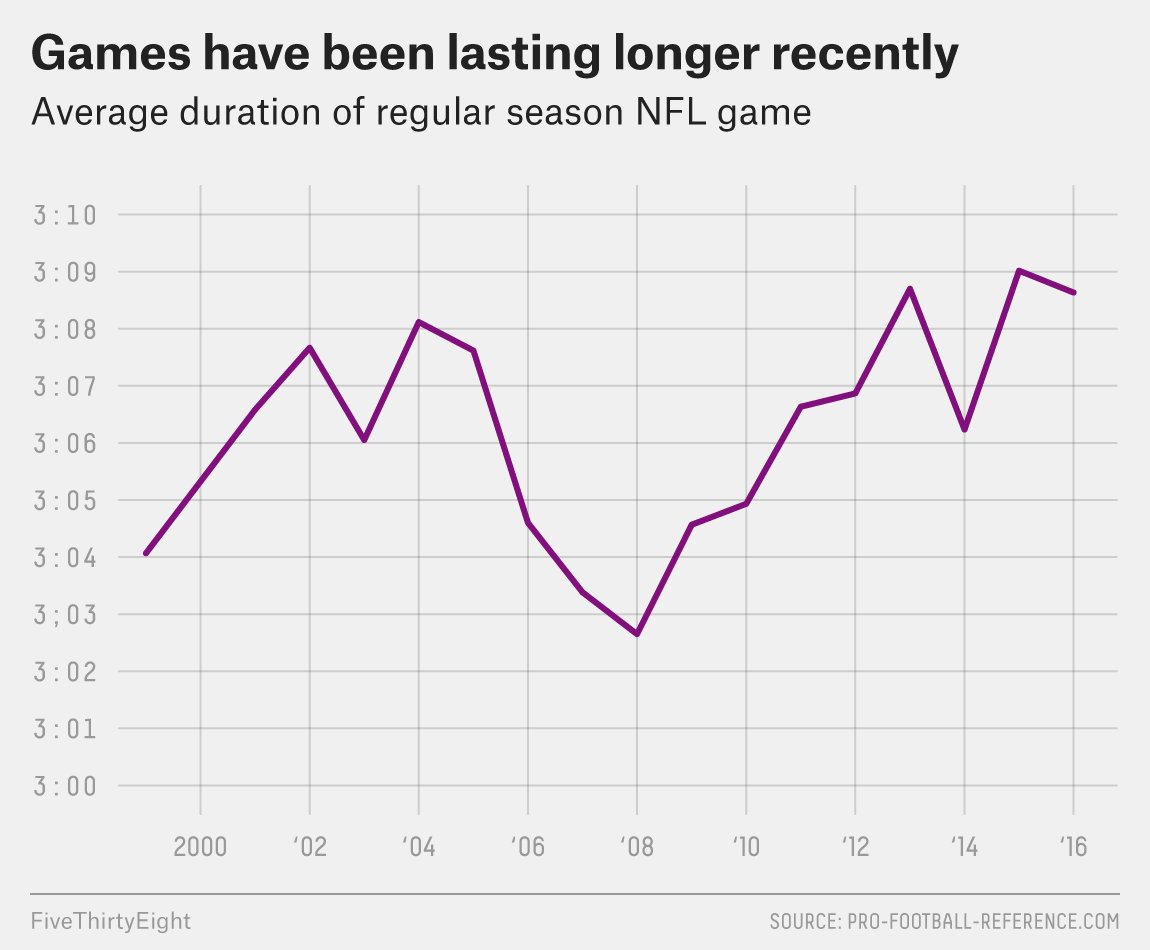
Football games are long because of the clock rules, frequent stoppages, and the necessary halftime break, these elements create the extended duration.
Ever wonder why your Sunday afternoon seemingly vanishes while watching a football game? You’re not alone! Many find themselves asking, why are football games so long? It can be quite the commitment, and often involves a lot of sitting and waiting.
The game is structured with many interruptions, like timeouts, penalties, and commercial breaks. The actual gameplay time is less than the total time we spend watching. So, the next time a match seems to drag on, remember these factors at play.

Why Are Football Games So Long?
Ever sat on the couch, snacks in hand, ready for a football game, only to realize hours later that it’s still going on? You’re not alone! Many fans wonder why American football games seem to take so long. It’s not just the 60 minutes on the clock; a lot more goes into it. Let’s explore all the reasons why football games feel like a marathon, not a sprint.
The Game Clock: More Than Just 60 Minutes
The first thing to understand is that while the game clock shows 60 minutes, that’s just the time when the ball is actively in play. The clock stops frequently during a football game. This is one of the main reasons why a typical NFL game lasts for about three hours. Let’s dive into the details:
Why Does the Clock Stop So Often?
The game clock is designed to stop for many reasons, making sure each play and moment is handled properly. Here are a few of the most common reasons why time can come to a standstill during a game:
- Incomplete Passes: When a pass is thrown and not caught by a player, the clock stops. This ensures fair play and gives teams a break between downs.
- Out-of-Bounds Plays: If a player with the ball goes out of bounds, the clock stops. This allows the referees to reset the play without wasting valuable time.
- Penalties: When a penalty occurs, the clock is stopped while the referee explains the infraction and the team gets a chance to move. This maintains order and fairness during the game.
- Change of Possession: When possession of the ball changes from one team to another (such as after an interception or punt), the clock stops. This allows time for the players to get into position.
- Touchdowns and Extra Points: After a touchdown is scored, the clock stops while the extra point or two-point conversion is attempted. These are crucial moments in the game, and they are given time.
- Injuries: The clock is also stopped when a player is injured, so medical staff can give them the needed help. Player safety is a high priority in football.
- Timeouts: Each team has a certain number of timeouts, and during these times, the clock stops. This helps teams to make plans and change their game plan when needed.
These stoppages make the game much longer than the 60 minutes shown on the clock. Think of it like a movie with many interruptions. The actual “movie time” might be short, but adding trailers, previews, and breaks make it a much longer process.
The Delays: More Than Just Stoppages
It’s not just the clock stoppages that add to the length of a football game. Several other factors contribute to the overall duration. These delays often go unnoticed but are a very important part of game flow.
Commercial Breaks
TV broadcasts play a big part in how long football games feel. The game is very popular, and advertisers pay a lot to get their messages shown during the game. These commercial breaks allow for the game to be broadcasted on tv, however, they can take a good deal of time. These breaks can be more than 20 minutes per game.
The time between play is usually filled with commercials. These are important for the networks to keep the lights on, but they can make the game feel a lot longer. The time also helps keep people entertained, or to grab a snack during a break. The amount of commercial breaks might vary depending on the network.
Halftime
Halftime is another extended break during a game. In the NFL, halftime is usually 12 to 15 minutes long. This gives the players a good amount of time to rest, get instructions from coaches, and prepare for the second half of the game. For the fans, the halftime show can be a good source of entertainment or a time to go get some snacks.
Replay Reviews
With modern technology, the referees can review plays to make sure they made the right call. These replay reviews can take some time. Reviewing plays helps ensure a fair game, but each review can add more time to the game length. These replays also help fans see why the referee made that call.
The reviews are important to get the right call, but all those minutes add up throughout the game.
Clock Management Strategies
Teams use specific strategies to manage the clock. For example, they may slow the pace of the game by running the ball or taking a timeout to help them plan for the next play. These strategies will slow the game, but it also helps the team control the game. These management strategies will extend the length of a game.
The Complex Nature of the Game
American football is a very complex game with many moving parts. This complexity impacts how long a game lasts. The time spent planning each play can increase the overall length of each game.
Complex Play Designs
Each play in football is planned in advance by the team. The plays involve specific positions for players, routes, and blocking assignments. Before each snap, the players need to be lined up correctly, and ready for the specific play. Each play has a plan, and each plan takes time to set up. These planned plays add extra time to the overall game.
The complex nature of plays, along with the time it takes to set up each play, contributes to the perceived long length of a football game.
The Role of the Officials
The officials also contribute to the overall time of the game. The officials are essential to making sure the game is played correctly. They have to make sure the rules are followed correctly, and they have to be ready to explain the reason for any calls. These actions take time, but are needed for the game to be played fairly.
The Number of Players
Each team in the NFL has a total of 53 players, but only 11 players are on the field during any given play. Each player has a specific role to play, and the substitutions, along with the large roster, adds to the overall complexity of each game. Every player has a job to do, and managing these players takes time during game play.
How Game Length Varies Across Leagues
It’s also important to note that the length of football games can vary depending on the league or level of play. Here’s a quick look at some differences:
NFL Games
NFL games are usually the longest. These games usually take three hours on average. The many timeouts, commercials, and stoppages lead to an increased game length. These games are also broadcasted nationally with commercials adding to the time.
College Football Games
College football games are usually a bit longer than NFL games. There are a couple of key reasons for this, such as the clock rules. College football keeps the clock running after a player goes out of bounds or after an incomplete pass. This allows the clock to keep running, adding more time to the game. College games can average more than three hours, often times closer to four hours.
High School Games
High School games are generally shorter than college or professional games. This is mainly due to shorter quarters, usually 10 or 12 minutes. There is also a decreased amount of timeouts, commercials, and the overall pace of the game tends to be quicker. These games usually range in length from two to two and half hours.
Comparing Football to Other Sports
To better understand why football games are so long, it’s helpful to compare it to other sports. Different sports have different rules, which affect how long the games last.
Baseball
Baseball doesn’t have a clock. The game is played until a certain number of outs are achieved. Baseball games also have long pauses with pitching changes and batter walks. The game can range from 2 and half hours to 4 hours.
Basketball
Basketball has four quarters, similar to football. However, basketball has more continuous play. Basketball has many timeouts, but the games usually last about two and half hours.
Soccer
Soccer games have two 45-minute halves with a brief halftime in between. There are fewer stoppages. These games usually last for around two hours with the added halftime and stoppage time.
A Comparison Table
Here is a table to help you see how football game time compares to other popular sports.
| Sport | Typical Game Length | Key Factors Affecting Length |
|---|---|---|
| American Football (NFL) | 3 hours | Frequent stoppages, commercials, clock management |
| American Football (College) | 3-4 hours | Frequent stoppages, different clock rules, commercials |
| Baseball | 2.5 – 4 hours | No time limit, pitching changes, long breaks in action |
| Basketball | 2.5 hours | Timeouts, foul stoppages, continuous action |
| Soccer | 2 hours | Continuous action, brief halftime, stoppage time |
Is Football Too Long?
The question of whether football games are too long is something many fans often debate. The long duration can be a point of frustration for some, while others love the slow, methodical pace. The game length may depend on the type of fan, and the enjoyment each fan gets from the game.
The Argument for Longer Games
Some fans like the long duration of football games. They feel the stoppages add to the game because the game requires planning. Fans may also think the stoppages enhance the suspense and excitement of the game. The breaks also allow for discussion of the current game. The fans who enjoy the length of games are usually very interested in the complexity of the game.
The Argument for Shorter Games
On the other hand, many fans find the long games to be frustrating. The long commercial breaks and stoppages can make the game drag. This can make it hard to keep track of the game. These fans may prefer a faster-paced sport and feel the game drags on, or the amount of time needed to watch the game is too long.
Overall, the length of football games is a big part of the game itself. It is something fans have either come to love or find frustrating. The many reasons for the game length are all there for a purpose.
In conclusion, the length of football games is a product of several factors, including the frequent stoppages, commercial breaks, halftime, replay reviews, clock management, and the inherent complexity of the sport itself. While these elements can make a game feel long, they are essential to the unique experience of watching football. Whether you enjoy the slower pace or find it too drawn out, understanding these reasons can help you appreciate the game’s intricacies. Each break, stoppage, or replay review adds to the experience, and helps make the game as fair and entertaining as possible. The next time you sit down to watch a football game, remember all the details that contribute to its length, and you might see the game in a different way.
A Beginner's Guide to American Football | NFL UK
Final Thoughts
Ultimately, the frequent stoppages for plays, reviews, and penalties cause games to extend. Commercial breaks also contribute significantly to the length. These factors directly answer the question, ‘why are football games so long’.
The clock management and strategic timeouts further add to the game’s duration. Football games must incorporate these elements. They make the game longer than pure playtime.

