
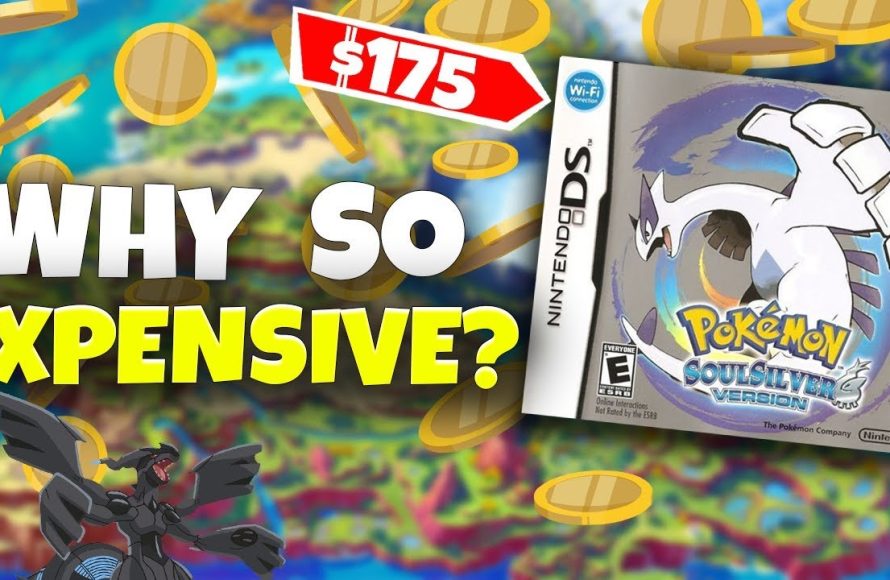
The high cost of Pokemon games is due to a combination of factors, including the games’ popularity, the significant development budgets involved, and Nintendo’s pricing strategies.
Ever wondered, why are pokemon games so expensive? It’s a question many fans ask, staring at the price tag of the latest release. We often see these games hitting shelves at a premium price point, leaving us to ponder the reasons behind that cost.
The Pokemon franchise is a global phenomenon, with a dedicated fanbase ready to buy every new entry. This demand certainly plays a role in how Nintendo prices its games. The production costs and the company’s established brand recognition also contribute to the price you see in stores.

Why Are Pokémon Games So Expensive?
Have you ever wondered why Pokémon games seem to cost so much compared to other video games? It’s a question many fans ask, especially when a new title comes out. The price tag can make you think twice before adding it to your collection. Let’s dive into the reasons behind those prices and see what makes these games cost what they do.
The Pokémon Brand Power
Pokémon is not just a video game series; it’s a global phenomenon. It’s a brand recognized by almost everyone, from young children to adults. This immense popularity gives The Pokémon Company and Nintendo a lot of leverage when it comes to pricing. They know that millions of people are eager to buy the latest games. Let’s break this down further:
Global Appeal and Demand
Think about it: Pokémon has been around for over two decades, capturing hearts worldwide. This long-standing, massive fanbase creates a consistent, high demand for new games. This consistent demand allows Nintendo to maintain higher prices, because they know there will be many players willing to pay. The games are released in many different languages and regions, which also adds to the cost, but also to the potential number of sales they can make. So, a larger potential fanbase means it is also easier to maintain a higher pricing strategy for the company.
Merchandise and Media Synergy
Pokémon games are just one part of a bigger ecosystem. There are the trading cards, anime, movies, toys, and clothing – all connected to the games. This synergy across different forms of media creates a huge promotional engine. The games are not just a purchase, but a gateway to all these other experiences and products, increasing the overall perceived value. This interlinked relationship between the different parts of the Pokemon franchise helps create a stronger demand, and makes the main games more desirable. When someone sees the Pokemon cards, or the anime, and enjoys them, they are more likely to buy the games, so there is a positive relation between all of the elements of the franchise.
Development and Production Costs
Creating a Pokémon game is a huge undertaking, far more complex than many might think. It’s not just about designing cute characters and a map. There is a lot of different process involved in a game development which involves a good amount of money and manpower, let’s analyze it with some detailed points:
Extensive Game Development
Developing a single Pokémon game involves a large team of artists, programmers, writers, game designers, composers, and testers. Each team member’s time and effort adds to the overall cost of the game development.
- Art and Design: Creating hundreds of unique Pokémon, each with their own distinct animations, requires a lot of artistic work. Then, designing the different game environments – cities, caves, routes, requires lots of creative talent and team work.
- Programming: The core mechanics of the game, the battle system, and the world must be coded. This is a time consuming job that must be done with full precision, and can be expensive due to the experience and skill that is required to make this process possible.
- Sound Design: The game’s music and sound effects, which are a crucial part of the Pokemon games, all need to be created, recorded and implemented into the game and they are also a big part of the overall cost of developing the game.
- Testing and QA: Before a game launches, it goes through multiple phases of quality control to ensure there are no bugs or errors. Finding and fixing these errors requires time and money, so the cost of the final game can go up.
Production and Distribution
Once the game is developed, there are still other production costs that come with it. Nintendo has to manufacture physical game cartridges, package them, ship them to stores, and ensure enough supply to meet the huge demand. Even with digital distribution, there are costs associated with maintaining servers and online infrastructure. Here is a breakdown of this part of the process:
- Manufacturing Costs: Creating game cartridges or discs is a complex process. The cost of raw materials, the actual production, and packaging all contribute to expenses.
- Shipping and Logistics: Getting the games to retailers worldwide is a major operation. Shipping costs, customs duties, and warehousing expenses all impact the price.
- Digital Distribution: While digital downloads bypass physical costs, there are server maintenance fees, bandwidth costs, and online distribution platform fees.
Nintendo’s Pricing Strategy
Nintendo has a specific approach to pricing their games, and this is also one of the main factors that makes Pokemon games so expensive. They tend to stick to a higher price point and rarely reduce prices significantly. This strategy is a combination of several things, including their brand reputation, consistent quality, and perceived value of their products. Let’s take a more detailed look at this strategy:
Premium Brand Reputation
Nintendo has established itself as a high-quality brand. Their games often come with a high level of polish, attention to detail, and fun gameplay. Nintendo also maintains a focus on quality rather than a quantity in the games that they release. They don’t often have a lot of games, but the games that they launch have a higher chance of being a quality and enjoyable experience for the players. This reputation allows them to maintain higher prices without a lot of discounts. Players expect a certain level of quality and are generally willing to pay for it.
Limited Price Drops
Unlike other game developers, Nintendo doesn’t lower the prices of their main games very quickly or drastically. You might see some discounts during holidays or special promotions, but the price usually stays close to the launch price. This method helps maintain the perceived value of the games and also makes people more likely to buy the game at launch, since the price won’t be lower any time soon. It is also a strategy to make players make a quick purchasing decision, since the games are not often offered with sales.
First-Party Exclusivity
Pokémon games are developed by Game Freak and published by Nintendo, making them exclusively available for Nintendo consoles. This exclusivity allows Nintendo to control the price of the games without competition from other platforms. If you want to play the newest Pokémon game, you have to buy it on Nintendo hardware, and this exclusivity strategy also allows Nintendo to price their games at a premium. Since people who want to play Pokemon have to buy Nintendo hardware, Nintendo has a good bargaining power to maintain the prices, because there is no other alternative for Pokemon players.
Cost of Game Cartridge and Production Materials
Let’s take a deeper look at the materials involved in the manufacturing and production process of a physical game cartridge:
Raw Material Costs
The game cartridges are not made out of simple plastic. They need specific materials that are able to reliably store game data, which means they need a specific type of electronic components inside. They also must be resistant to the different enviroments that they can be exposed to. Here’s a look at some key materials:
- Plastic Shell: The outer shell of the cartridge needs to be made with durable, high-grade plastic. The kind of plastic used is specifically chosen for the physical security of the components within the cartridge.
- Memory Chips: These are the components that store the actual game data. The memory chips must be reliable and high quality, and these parts can be quite expensive. The technology has to be consistent in all units, so all the parts have to be of the same high quality.
- Circuit Boards: Each cartridge has a small circuit board that connects the memory chip to the console. This circuit board and its components need to be precise and stable.
Assembly Costs
The process of putting all these components together is not simple. Assembly requires precision to make sure everything functions correctly. The process has multiple steps:
- Automated Assembly: Machines assemble most of the components. These machines are expensive to maintain and operate.
- Quality Checks: Every cartridge has to be tested to make sure it works properly. The testing process can take time, and this also contributes to the cost of the process.
- Packaging: The final product must be placed in the packaging, which itself involves the process of printing, cutting, and folding the different parts of the package.
Long Term Value and Play Time
While the initial price might seem high, Pokémon games often offer a lot of play time and replayability. Many people keep playing the same game for many years, or start multiple playthroughs of the game. Let’s explore why this can be considered to be an investment:
Replayability and Post Game Content
Pokémon games usually have a big amount of content after the main story has finished. There is a lot to do in the game, even after the main story is finished. You can collect all of the pokemon, you can breed pokemon, you can participate in battles and contests, and many other activities.
Here is a breakdown of why Pokemon has a good replayability:
- Collecting Pokémon: Catching every Pokemon in the game can take many hours. There are hundreds of Pokémon to find, each with different stats and abilities.
- Post-Game Quests and Challenges: After you beat the main game, there are still many things to do. Players can battle difficult trainers, participate in tournaments, and try to complete their Pokédex.
- Breeding and Training: Breeding Pokémon to create the perfect team for battles is a key part of the experience. Players can spend hours breeding and training Pokémon to improve their competitive potential.
Multiplayer and Trading
Another element that adds value to the game is the multiplayer aspects. You can trade and battle with your friends. This multiplayer feature can extend the game time and enhance its social aspect. Players can connect with others to battle, trade, and enjoy the games in a cooperative way. These features also create a big community around the game, which contributes to its long term appeal. Here is a summary of how these features contribute to the value of the game:
- Battling: Battling with friends or other players can be a big draw for many players. Many fans spend time and energy training a powerful team to compete with other people.
- Trading: Trading Pokémon helps players complete their collections and get unique Pokémon that they can’t find in their own version of the game.
- Social Aspect: Playing with friends can extend the value of the game and turn it into a social experience that can be enjoyed together.
In the end, the price of a Pokemon game is more than just the cost of production; it also has to do with the power of the Pokemon brand, how much effort goes into the development of the game, Nintendo’s pricing strategy, and the lasting experience that they provide. The price of the game is a reflection of all these elements combined, and it all adds up to a premium game experience.
Why Are Pokemon Games So EXPENSIVE?!
Final Thoughts
Pokemon games maintain a high price due to strong demand and the franchise’s popularity. Nintendo rarely discounts its first-party titles, contributing to the consistent cost. Production complexities also play a part in pricing strategy.
The large player base consistently buys new releases, accepting the current price point. This reinforces why are pokemon games so expensive; the demand justifies the cost. So, the popularity and market dynamics dictate the prices of the franchise.

