
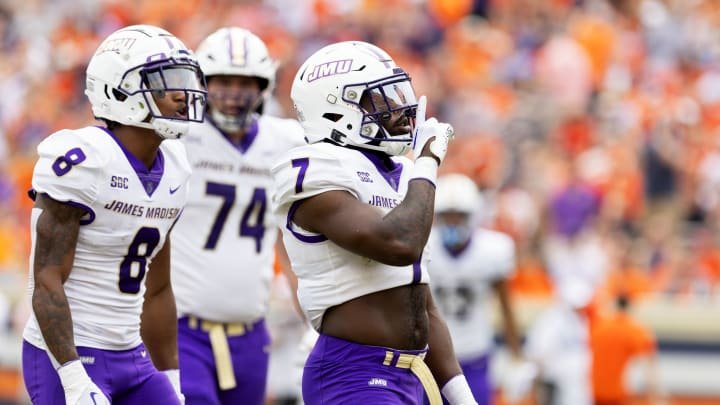
JMU cannot participate in a bowl game this season because of the NCAA’s two-year transition rule for programs moving to the Football Bowl Subdivision.
Many fans are scratching their heads asking why cant jmu go to a bowl game, despite having a stellar season. It’s a frustrating situation for the Dukes, who have clearly demonstrated their football prowess. The NCAA has rules that impact eligibility, especially for teams transitioning divisions.
These rules, specifically the two-year transition period, prohibit JMU from bowl consideration. This means that even with a record worthy of a postseason invite, they are unfortunately excluded.

Why Can’t JMU Go To a Bowl Game?
Okay, so you’re probably wondering why the James Madison University Dukes, who are playing so well, can’t just go to a bowl game like other teams. It’s a fair question! It all comes down to something called “transition rules” in college football. Let’s dive in and figure out why JMU is facing this unique situation.
The NCAA Transition Period
When a college football team moves up from a lower division to a higher one, like JMU did when they went from the FCS (Football Championship Subdivision) to the FBS (Football Bowl Subdivision), they have to go through a special waiting period. Think of it like learning to ride a bike with training wheels. JMU is in this “training wheels” phase. The NCAA, which is the organization that makes the rules for college sports, has rules to ensure that teams are ready for the competition level of the FBS. This transition period is not just about the games, but also about making sure a program is financially and structurally ready for the requirements of the bigger league.
What Does It Mean to Transition?
Basically, JMU is now playing with the big boys. The FBS has different requirements for football programs, from larger stadiums and budgets to a specific number of scholarships for their players. This move has some pretty big implications, affecting everything from scheduling games to how JMU is ranked.
- Financial Readiness: FBS teams need more money to operate. This includes travel expenses, player support, and facility upgrades. JMU has to demonstrate they can handle these higher costs.
- Infrastructure: A bigger league means more facilities need to be upgraded. A bigger stadium, better training equipment, and even larger support staff are all necessary components. JMU needs to ensure it has these items to maintain the competitive edge.
- Scheduling: FBS teams typically play against larger schools, and JMU needs to build its schedule to meet the requirements. These games need to be against FBS opponents to fulfill the criteria for bowl game eligibility.
The Two-Year Rule
The main reason JMU can’t go to a bowl game right away is the NCAA’s rule stating that a team moving up to the FBS is not eligible for a bowl game during their first two years of competition. This means that no matter how well JMU plays in their first two seasons, they won’t be able to participate in a bowl game at the end of those seasons. It doesn’t matter if they win all of their games. They are simply ineligible. This rule exists to ensure that programs making the jump are truly ready for the increased demands of the FBS. Think of it as a waiting period before the “real” test begins.
Why This Rule Exists
The rule is designed to give newly transitioning teams time to adjust to the different levels of play, facilities, finances, and administration before competing for major postseason prizes like a bowl game. The NCAA wants to avoid situations where a team might succeed due to the weaker strength of schedule in the initial seasons and then falter when they are eligible for bowl games. This waiting period allows teams to strengthen their program and infrastructure. It’s similar to how kids need time to grow before they take on adult responsibilities, the teams also need time to adjust.
Understanding the Bowl Game Landscape
Bowl games are a big deal in college football. They are the culmination of the regular season, and they provide additional national exposure, prestige, and financial opportunities for the teams that qualify. They are like the playoffs for most college teams. However, not every team gets to go to a bowl game. There are rules about how many wins you need and what your ranking is. Plus, there are a limited number of bowl spots. For a program like JMU, not having access to this option is frustrating, but it’s part of the process.
How Bowl Games Work
The bowl season is a series of games played after the regular season ends, usually in late December and January. They are typically matchups of teams from different conferences. To become eligible for a bowl game, a team needs to have a certain number of wins. For most bowl games, the magic number is six wins, meaning at least a 6-6 record for the regular season. However, there are a few exceptions to this, with some conferences and bowl games having their own qualifications criteria. But, in JMU’s case, their record doesn’t matter during the transition; they won’t be able to attend a bowl game regardless of their record.
It’s a competitive landscape, and there are a lot of factors that go into who gets invited. Winning is just one piece of the puzzle, and JMU has to complete this transition period before being able to join the race. The teams get selected based on conference affiliation, winning record, and many other factors that are hard to understand for a new comer. Also, there are many different bowls with different sponsorships, such as the famous Orange Bowl or Rose Bowl.
The Impact on JMU
The transition rule has a significant impact on JMU. For the team and its fans, knowing that they can’t go to a bowl game even if they have a great season is disheartening. It can be hard to keep the team’s morale high, but JMU seems to be focused on building a sustainable program for the long run.
Psychological Impact
Not being able to compete for a bowl game despite performing well can be frustrating. The players work hard all season, and knowing that a reward is out of reach can create mental hurdles. The coaching staff has to work extra hard to keep the team motivated, focusing on improvement and the future. A goal other than bowl eligibility is a must. They will have to focus on things like improving each game and staying disciplined. But, it’s important to keep the big picture in mind that the program is trying to make a mark.
Recruitment Challenges
Not being eligible for a bowl game can also make it harder for JMU to recruit top talent. Some players might see a program that isn’t immediately eligible for postseason play as less appealing. This could affect the overall quality of the team. But JMU has been able to attract great talent so far. The university also needs to focus on highlighting its facilities, academic support, and community environment to compete with other FBS programs.
Fan Experience
Fans also feel the impact of this rule. They can’t celebrate a bowl game trip at the end of a fantastic season, which is very frustrating for fans. There’s a lack of closure after the regular season ends. The fans must have the patience to endure this transition period because this transition will allow JMU to compete with the big teams in the coming years. Despite all of this, the stadium is still always packed with the passionate JMU supporters.
The Bright Side
Even though JMU can’t go to a bowl game right now, this period of ineligibility isn’t all bad. It gives the program an opportunity to concentrate on making their team better on and off the field. They can use this time to build a strong team and make the necessary improvements in the other parts of the program. The transition period is like a bootcamp for JMU’s football program. They are essentially getting stronger without pressure from playoff implications, which is a unique position to be in.
Building a Solid Foundation
The focus for JMU during the transition is on things like: improving team culture, establishing recruiting networks, and honing their strategies. They’re taking a long-term approach to success. The team also has more time to work on training and to develop young players. Instead of being concerned about bowl games, they can focus on becoming a formidable program for years to come.
Financial Opportunities
While JMU is still adjusting to the costs associated with the FBS, it’s also benefiting from the increased exposure that comes with playing at a higher level. This increased exposure opens up opportunities for sponsorship and donations, which will help JMU’s athletic program in the long run. The university will attract a larger fanbase and alumni support which will improve the program’s finances.
Increased Media Attention
Even without bowl game eligibility, the team is still getting national media attention because of their impressive play. This exposure will help with recruiting, fan support, and overall reputation. They’re showing the college football world that they belong at this higher level and setting the stage for future success. The university can use this attention to build its brand, which goes beyond sports and can also impact the university’s academic and research programs.
The Future is Bright
While the current rules may feel unfair, the future for JMU football is exciting. By completing the transition, JMU will be eligible for bowl games and potentially even more important postseason competitions. They are laying the groundwork now to make a big splash when they are finally eligible. They are building their future step-by-step.
Patience is Key
It’s all about patience. The transition period is designed to make sure that teams joining the FBS are ready to compete for years to come, not just for one or two seasons. The fans, the university, and the coaching staff are all looking at the long game. The patience will be rewarding when they are finally able to go to the bowl games.
What To Expect Going Forward
As JMU moves into the coming years, fans can expect the program to continue to improve. They’ll be making big strides on and off the field. They will be recruiting better athletes, improving facilities, and developing a more competitive program. The next steps will be crucial for the success of the JMU football program. With this patience and focus, JMU has the potential to be a national power in college football.
JMU’s journey to full FBS membership is a marathon, not a sprint. While the temporary bowl game ineligibility stings for fans and players alike, it is a necessary phase in their journey. The Dukes are building a solid foundation for long-term success. The focus remains on program growth and development, and the future is bright. This transition is all about growing, learning, and becoming a top contender on the college football scene.
Should JMU Be Allowed To Play In A Bowl Game? | 11/16/23
Final Thoughts
JMU’s impressive season is unfortunately capped due to their transition period from FCS to FBS. NCAA rules mandate a two-year waiting period before new FBS programs become bowl eligible. This rule is why cant jmu go to a bowl game, despite their strong performance.
Their success, while exciting for fans, highlights the frustrating policy. This situation means their team must sit out despite being a bowl caliber team. The Dukes will need to wait for their chance.

