
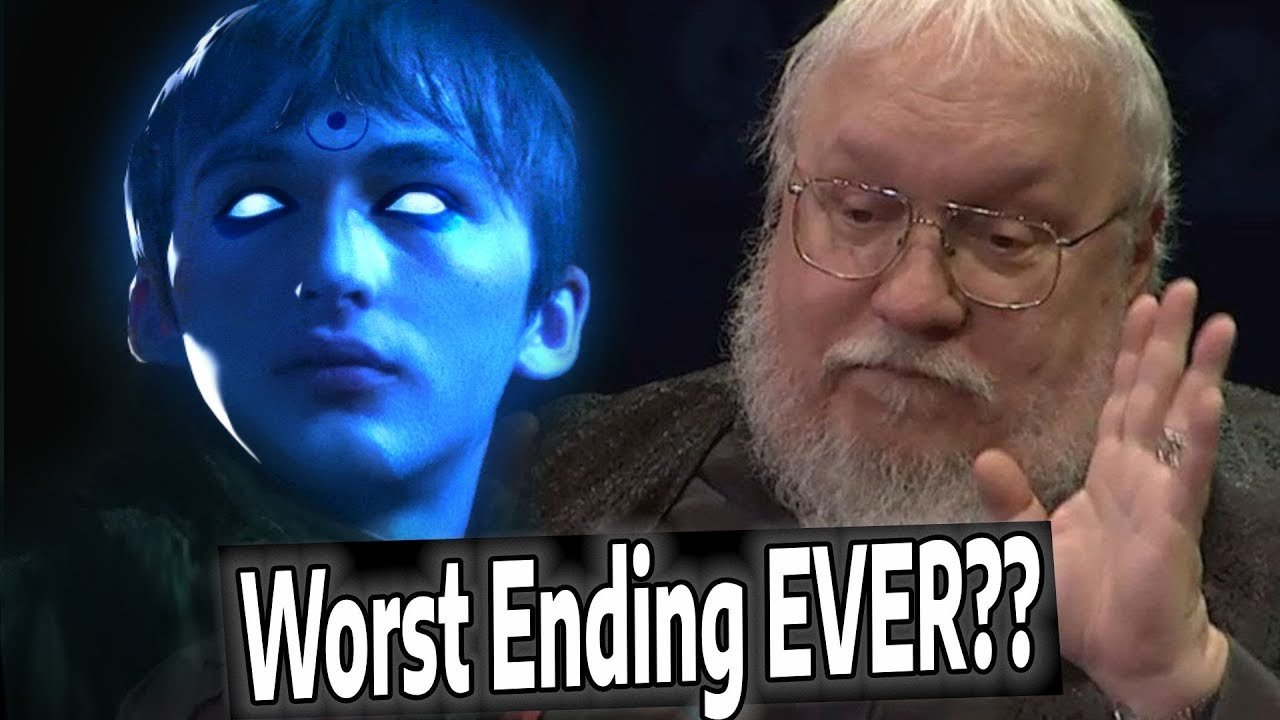
The rushed and illogical character arcs, coupled with unsatisfying resolutions to long-standing storylines, are the reasons why everyone hated the ending of Game of Thrones.
Remember the cultural phenomenon that was Game of Thrones? It’s hard to forget, isn’t it? Yet, the finale left a sour taste in many mouths. Why did everyone hate the ending of Game of Thrones? It became a topic of intense debate.
Fans felt betrayed by the swift and seemingly out-of-character decisions made by the writers. They had invested years in these characters, only to see their journeys concluded in a way that felt rushed and poorly conceived.

Why Did Everyone Hate the Ending of Game of Thrones?
Let’s face it, the ending of Game of Thrones is still a hot topic. It’s been years, and people are still talking about how much they disliked it. It wasn’t just a little disappointment; it was a widespread feeling of frustration and letdown. But why? What made the final season so controversial? It wasn’t just one thing, but a whole bunch of factors that all piled up. We’re going to dive deep into all the reasons why fans felt so betrayed by the conclusion of this epic saga, exploring everything from rushed storytelling to character arcs that felt completely out of place.
Rushed Pacing and Condensed Storylines
One of the biggest problems with the final season was that it felt incredibly rushed. After spending years building up intricate plots and detailed character development, the show seemed to want to wrap things up as quickly as possible. This change in pace was a sharp turn from what fans had come to expect. Instead of carefully weaving together storylines, the show seemed to just barrel through them, often ignoring established character motivations and logical plot progression. Imagine you’re building a huge castle made of LEGOs. You spend years carefully adding each block, making sure everything fits just right. Then, someone comes along and tries to finish it in a day, just slamming pieces together. That’s kind of what the last season of Game of Thrones felt like.
The Problem of Six Episodes
The reduced number of episodes in the final season – just six compared to the ten we were used to – definitely played a big role. Each episode felt crammed with so much happening that it didn’t have time to breathe. Important plot points were glossed over, and character journeys that should have been emotional and powerful felt like they were just ticking boxes on a checklist. It was as if they were trying to fit a whole season’s worth of plot into a much smaller container, and the result was a messy spill.
The earlier seasons were famous for their slow burn, focusing on intricate political maneuvering and realistic character interactions. This allowed the audience to become deeply invested in the characters and their journeys. The pacing of the final season, however, lacked this. It jumped from one major event to the next with little setup, making it difficult for viewers to feel the emotional impact they used to.
Character Arcs That Made No Sense
Another huge source of frustration came from how characters behaved in the final season. Characters who had been built up for seasons suddenly started making choices that seemed totally out of character. It was like the writers forgot who these people were, or simply decided to change them for the sake of the plot. This was not a subtle evolution of character; instead, it felt like complete character assassination in many instances.
Daenerys Targaryen’s Sudden Descent
Perhaps the most controversial character arc was that of Daenerys Targaryen. Throughout the series, she had been portrayed as a complex character with both good and bad qualities, but with a general arc towards being a powerful, yet compassionate leader. In the final season, she quickly transformed into a genocidal tyrant, burning down King’s Landing seemingly for no reason other than that the plot needed her to. This sudden change felt incredibly jarring and unearned. It felt like they just needed a villain quickly and Daenerys became it. The show didn’t provide a reasonable gradual decline but an immediate switch that left a sour taste.
- Early Daenerys: Liberator of slaves, compassionate towards the weak, determined to break the wheel of injustice.
- Final Season Daenerys: Mass murderer, seemingly driven by madness, irrational decisions.
Fans felt cheated because they had invested so much in Daenerys’ journey, rooting for her to take the Iron Throne. To see her become the very kind of ruler she had always fought against felt like a betrayal of the character’s core values.
Jaime Lannister’s Regression
Jaime Lannister’s character development also frustrated many fans. He spent a good portion of the series on a journey of redemption, moving away from his toxic relationship with his sister Cersei and learning to be a more honorable man. Then, in the final season, he suddenly abandoned all that progress, going back to Cersei and dying with her in a scene that seemed totally against everything his journey had stood for. It’s like they wrote him 6 seasons back, and then decided to bring back that character.
- Jaime’s Redemption Arc: He loses his hand, battles for Brienne, chooses honor, and starts to care about other people.
- Final Season Jaime: He leaves Brienne, goes back to Cersei, dies with her.
This undoing of Jaime’s progress made no sense to many, because It undermined the whole point of his character arc.
Plot Holes and Inconsistencies
Beyond character issues, the final season was filled with plot holes and inconsistencies. Things that had been carefully established in earlier seasons were often ignored or contradicted. This made the story feel sloppy and poorly thought out. It was as if the writers were just making things up as they went along, without any regard for continuity or logical consistency.
The Night King’s Anticlimactic Defeat
One of the biggest disappointments was the anticlimactic defeat of the Night King. The White Walkers were set up as a massive, unstoppable threat that had been building up since the very first episode. They were a force that seemed impossible to defeat. When he was defeated after one battle with very less difficulty, it felt like all the build-up had been for nothing. The ease with which Arya Stark killed him also felt unearned and lacking the gravitas that the Night King’s final appearance should have had.
- The Night King: A seemingly unstoppable ancient evil, a threat to all of humanity.
- His Defeat: Killed by Arya in one episode, his whole army wiped out easily.
This resolution felt like a cheap way to get rid of a major threat that had been a driving force in the show. It made everything that was shown in the previous seasons seem less important.
The Lack of Foreshadowing
Many of the major plot developments in the final season felt like they came out of nowhere. There was very little foreshadowing that would make these unexpected twists feel natural, as it was in the early seasons, instead it just felt as if the writers pulled out these twists out of their hat without any prior planning. This suddenness made it harder for fans to accept and understand the final outcome of the series. A good story often plants hints, setting up events so that viewers can accept and understand them when they happen. It’s like putting puzzle pieces together, whereas in the final season, it’s like someone suddenly throws pieces from a completely different puzzle.
Poor Dialogue and Writing
The quality of dialogue and writing also took a noticeable hit in the final season. The show had always been praised for its complex, witty, and thought-provoking conversations. But in the last season, the dialogues often felt bland, repetitive, and lacking the depth of the previous seasons. Characters would suddenly say things that sounded awkward and unlike them. It was as if they were suddenly reciting lines rather than having natural conversations.
“Subverted Expectations” Gone Wrong
The writers often talked about wanting to “subvert expectations,” which can be good when done well. But it ended up being a way to justify bad writing. Instead of building towards satisfying and natural outcomes, the show seemed to go out of its way to make shocking, but ultimately pointless plot twists. They were so focused on subverting expectations that they forgot the importance of making a coherent, consistent, and satisfying story. It’s like trying too hard to be different that you end up making a mess.
Fan Theories and Unfulfilled Potential
Over the years, fans had developed countless theories about how the show would end. These theories often took into consideration the hints dropped, character behaviors, and the overall themes of the story. While the writers were not obligated to follow fan theories, they often dismissed plot points that were quite obvious, instead focusing on something totally unexpected. Many fans felt like their well-reasoned interpretations of the show were dismissed in favor of rushed and often nonsensical plot points, making them feel unheard and unseen.
The Issue of Fan Investment
When a series is popular, fans become heavily invested in it. They analyze every detail, discuss their theories, and build entire communities around the show. When the final season completely ignores all the careful analysis and theories, it can make fans feel like their dedication and investment were not respected. It felt like all of the viewer’s time and effort was for nothing.
The Impact on the Show’s Legacy
The negative reception to the final season had a huge impact on the show’s legacy. A show that was once considered a masterpiece, an excellent example of storytelling, became synonymous with disappointment. It is almost like it has tarnished the earlier episodes because of the bad aftertaste it left. This reaction is a testament to how important a satisfying conclusion can be for a series that had captured the hearts and minds of millions of viewers.
The Aftermath and Discussions
Years later, the discussion around the ending of Game of Thrones is still very heated and common. It serves as a reminder of how difficult it can be to wrap up a complex story that has built up so much hype. This whole experience has shown that a poorly executed ending can overshadow the good that came before it. The frustration and debate still go on, demonstrating how deeply the fans felt about the series.
In conclusion, the hate surrounding the ending of Game of Thrones wasn’t a result of one single issue but a combination of several things. Rushed pacing, character arcs that didn’t make sense, plot holes, disappointing dialogue, and a tendency to subvert expectations without logic all contributed to a finale that left many viewers feeling disappointed and betrayed. The ending demonstrated that the conclusion is as important to the story as all the time, effort, and plot points before it. A great story can falter with an unsatisfactory ending, leaving a sense of what could have been.
9 Reasons Why 'Game Of Thrones' Season 8 Was A Huge Disappointment
Final Thoughts
Rushed pacing and character arc destruction fueled the widespread disappointment. The final season quickly resolved major conflicts, ignoring established storylines. Many found character choices illogical and betraying what came before. This caused a major letdown for fans invested deeply.
The abrupt ending felt unsatisfying, leaving many plot threads dangling. Why did everyone hate the ending of game of thrones? The lack of a meaningful conclusion for beloved characters fueled the negative reception, which was simply not acceptable. It ultimately undermined the entire show’s legacy and that is why it’s still talked about today.

