
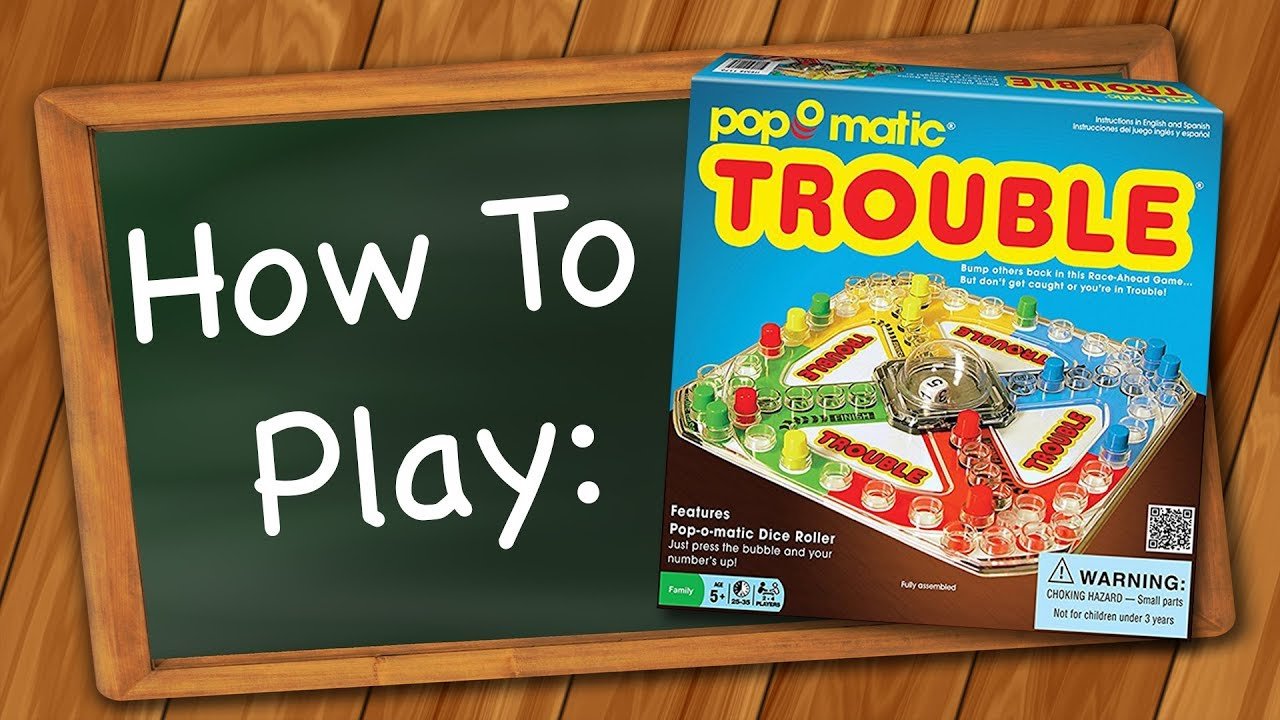
To play Trouble, you take turns pressing the Pop-O-Matic die roller and moving your pegs around the board. The goal is to be the first to get all your pegs into the finish area.
Ever wondered how to play Trouble game rules? It’s a classic board game that many families enjoy, filled with excitement and a bit of playful frustration. You’ll quickly find it’s a simple game to pick up and perfect.
The satisfying pop of the die is just the beginning. Moving your pegs strategically around the board becomes a little challenge, especially when someone else bumps you back to start. The competition to get all of your pieces safely to the finish line is always fun.

How to Play Trouble Game Rules
Okay, let’s dive into the fun world of the Trouble game! It’s a super popular board game that’s been around for ages, and for good reason. It’s easy to learn, fun to play, and keeps everyone on their toes. Whether you’re a kid just starting out or an adult looking for a nostalgic game night, understanding the Trouble game rules is key to having a great time. So, let’s get started!
Setting Up for a Trouble Game
Before you can start popping those dice and moving your pegs, you need to set up the game. It’s pretty straightforward, but let’s make sure we’ve got it all right.
The Game Board
First things first, place the Trouble game board on a flat surface where everyone can reach it easily. You’ll notice it has a circular track with four colored starting areas (usually red, blue, yellow, and green), and four corresponding “finish” areas in the center. The track is made up of spaces for your pegs to travel. At the center, there’s the famous “Pop-O-Matic” bubble with a die inside. It’s this that generates movement for the game!
The Game Pieces
Each player chooses a color and takes the four pegs that match. These pegs start off in the player’s colored “start” area. All four of your pegs will begin from this area and all need to reach the finish area to win the game!
Choosing a First Player
Now, decide who gets to go first. You can do this in lots of fun ways. You could have the youngest player go first, or use the age old “rock, paper, scissors” method, or have a simple dice roll-off. It’s up to you and your fellow gamers to decide which method is the best!
The Goal of the Game
The main goal of Trouble is very simple: be the first player to get all four of your pegs from your starting area around the board and into your finish area. Sounds simple? Well, it can be, but it can also be a lot of fun, and tricky, along the way! It’s a race, and you need strategy and a bit of luck with the die!
Playing the Game: Moving Your Pegs
Okay, here’s where the real action starts. Understanding how to move your pegs is super important. Here’s a step-by-step guide:
Popping the Die
Each player, on their turn, pops the Pop-O-Matic bubble to roll the die inside. The number that appears on the die tells you how many spaces to move one of your pegs. Let’s go over this in even more detail.
Getting Out of the Start
You can’t just start moving willy-nilly! You have to get your pegs out of your starting area first. To do this, you need to roll a 6. When you pop the bubble and get a 6, you can move one of your pegs from your starting area and onto the first space on the track. So, until you get a 6, your pegs are basically “stuck” waiting in their starting area!
Moving Your Pegs
Once your peg is on the track, you move it the number of spaces shown on the die. So, if you roll a 3, you move your peg forward three spaces. It’s very simple, but you need to pay attention!
Moving Around the Board
Your pegs will move around the circular track in a clockwise direction. Keep an eye on other players’ pegs, as you don’t want to get too close to them!
Landing on Another Player’s Peg
This is where the “trouble” in the game comes in! What happens when you land on a space that’s already occupied by another player’s peg?
Sending Pegs Back to Start
If you land exactly on another player’s peg, you get to send that peg back to their starting area. This is part of the game’s strategy! It’s a fun, and sometimes frustrating, part of the gameplay. This can be a great way to slow down an opponent who is close to the finish.
Avoiding Being Sent Back
Of course, you want to avoid being sent back yourself! This is where planning ahead and choosing the right peg to move becomes important. The game’s strategy really depends on your understanding of these particular rules. There’s also an element of luck involved, with the random roll of the die.
Moving Into the Finish Area
Getting your pegs to the finish is the whole point of the game! But there are a few more things to know about getting them home.
Moving into the Finish Zone
When your peg has almost made it all the way around the board, you need to land exactly on the entrance to your “finish” area. The final spaces leading up to your finish area require you to land there with the exact amount shown on the die, and if you go past the number to get into the finish, then you’ll have to circle around to try again. This requires some thought and some luck.
Moving Through Your Finish Area
Each peg moves into the finish area by moving forward one space for each number shown on the die. There is no jumping over a peg that is in the finish area. So, if you have three pegs already in your finish area, and you pop the bubble and roll a six, then only the number of pegs you can move into the finish area (in this case, one), may move into the finish area, and the remaining five spaces are wasted.
Winning the Game
You win the game the first player to get all four of their pegs into the finish area! Congrats, you beat all your opponents! Once you’ve finished playing the game, you can start all over again, and challenge your friends and family to another game.
Advanced Strategies and Tips
Want to get even better at Trouble? Here are a few tips and tricks that can give you an edge!
Using the “6” Wisely
When you roll a six, you get to bring a peg out of your starting area or move a peg on the track. Think carefully before moving a peg. For example, if you have a peg already in a good position, perhaps move a new one out of your starting area. Using this strategy is important!
Strategic Peg Placement
Don’t just move pegs randomly. Try to position your pegs strategically so you can send opponents back and avoid being sent back yourself. For example, if you have one peg close to an opponent, that can create a nice blocking position. The more you play the game, the more this element of strategy becomes obvious to you!
Blocking Opponents
If you get a good position, you may be able to use your pegs to “block” opponents. If their peg is close behind you, you can move forward and put your peg on the space in front of them. This can help to put them in a bad position.
Don’t Give Up
Even if you get sent back to the beginning a few times, don’t get discouraged. A good roll of the die can quickly turn the tide of the game. One unlucky roll of the die for your opponent, can change the game in your favour!
Common Variations
Sometimes people like to add little tweaks to the Trouble rules. Here are some common variations you might come across:
“Doubles” Rule
Some people play that if you roll doubles (for example, two 6’s in a row) you get to go again. This speeds up the game and makes it a little more exciting!
“Buddy System”
In some house rules, you are only allowed to move one peg at a time. Instead, if you roll the number required to get into the finishing area, the next number is to move that peg inside the finish area. However, in order to move a second peg into the finishing area, the peg has to be in the space in front of it, not two spaces ahead, creating a “buddy system”.
Custom Board Designs
People are so creative that they even sometimes create their own custom Trouble board! Usually with different themes, or a slightly different playing field. These can be super fun to play with, too!
Making the Game Accessible for All
Trouble is a game that is accessible for players of all ages and abilities. However, if there are people with challenges, it might help to make a few changes to make sure everyone can join in the fun.
Verbal Instructions
Some players might prefer to listen to instructions, so when it’s their turn, help them by describing the board position, and the numbers on the die roll, so they know exactly what is happening. This will allow them to follow along and enjoy the game to the fullest!
Assisted Play
If some players have difficulty with rolling the dice and moving the pegs, make sure they have assistance. This can be a fun way for people to participate, even with the assistance of other players, friends, and family.
So, now you have everything you need to get started with the game of Trouble! Whether you’re playing with family or friends, remember it’s all about having fun. Enjoy popping that die, moving your pegs, and maybe even sending your opponents back to start. Have a great time!
How to play Trouble
Final Thoughts
To recap, players roll the die and move a peg around the board. A roll of six allows you to move a peg from start. Landing on another player’s peg sends it back to start. The first player to move all four pegs into the finish area wins.
Understanding how to play trouble game rules means knowing these basic actions. You must also pop the center dice bubble to roll. This adds a fun element to the gameplay. It is simple to grasp after few tries.

