
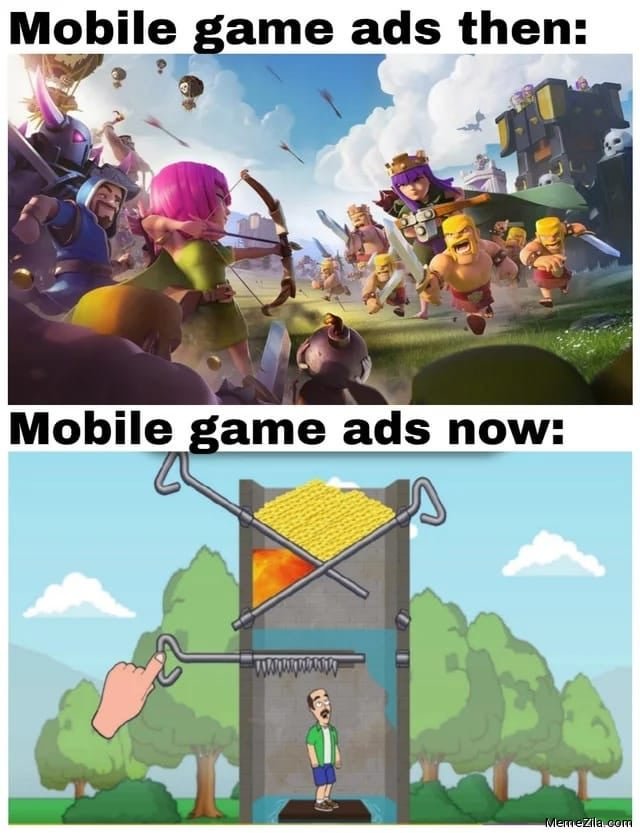
Mobile games have so many ads because they are often free to download, and ads provide a significant revenue stream for developers to support ongoing game development and operation costs.
Ever found yourself tapping away at a seemingly endless free mobile game, only to be interrupted by another advertisement? The question, ‘why do mobile games have so many ads’ probably crosses your mind. It can feel a bit frustrating, right?
Well, these free games need to make money somehow. Developers create them, and they need resources to keep things running smoothly. Ads are the main way they support their work.
So, next time you see a string of ads, it helps to remember that they are what makes these games free in the first place.

Why Do Mobile Games Have So Many Ads?
Ever find yourself in the middle of an exciting game, only to be interrupted by a video ad for something you’ve never even heard of? It’s frustrating, right? You’re not alone. Many people who play mobile games wonder why there are so many ads. It’s like you can’t play for more than a few minutes before another one pops up. So, let’s explore the reasons why mobile games seem to be overflowing with ads. It’s not just random; there’s a lot going on behind the scenes.
The Free-to-Play Model: The Foundation of Ads
One big reason for all those ads is the “free-to-play” model. Most mobile games are free to download and play. This means you don’t have to pay anything to start playing. But, the game developers still need to make money to keep their games running. How do they do it if they’re not charging you upfront? This is where ads come in. Instead of asking you to buy the game, they show you advertisements. These ads are a way for developers to earn money each time you see them or click on them. This model has become very popular, making it possible for everyone to enjoy a wide range of games without spending any money initially. However, this approach also makes advertising an essential element of mobile gaming.
How Free Games Make Money
It’s important to understand the specific ways free mobile games use ads to generate revenue. These methods are crucial to their business model. Here are a few key ways:
- Impressions: Even if you don’t click on an ad, the developers sometimes make a tiny amount of money just by showing the ad to you. The more people see the ad, the more money they earn. This is often called “cost per mille” or CPM, where “mille” refers to one thousand ad views.
- Clicks: When you actually click on an ad, the developers make more money. This is called “cost per click” or CPC. If you are interested in the advertised product and visit their website, this works well for the game developer.
- Installs: Some ads pay the developer when you download and install the game or application that was being advertised. This method is called “cost per install” or CPI.
- Video Ads: Video ads are very common in mobile games because they usually pay more than banner ads. Video ads often engage users more, resulting in higher earnings for the developer.
- Rewarded Video Ads: These ads allow you to get an in-game reward for watching a video, such as extra lives, coins, or in-game items. This creates a win-win situation where developers earn money from the ad, and the players get something extra. This type of ads is a player favorite because the player is in control.
The Cost of Developing a Game
Creating a mobile game takes a lot of time, effort, and money. Think about all the different elements: designing the characters, creating the levels, writing the storyline, and making sure everything works perfectly. All of this costs money to pay for the programmers, artists, designers, and sound engineers. So, after all that work, how do the developers get their money back? The answer again is often ads.
Here are a few factors that contribute to game development costs:
- Team Salaries: Game developers need to pay their team of professionals who work to create the game.
- Software and Tools: They have to buy the software and tools to develop the game.
- Marketing: Developers need to promote their game so people know it exists, which also involves money.
- Maintenance: Games need constant updates, bug fixes, and sometimes, entirely new features. This requires more time and resources.
Considering all these costs, the free-to-play model and the reliance on ads to generate income make sense for the developer, making it the foundation of game development.
The Competition in the Mobile Game Market
The mobile game market is very crowded. There are so many games out there, and developers have to fight to get your attention. One of the ways they do this is to make their games free. Since there are so many choices, most people are less likely to try a game that they have to pay for. By offering the game for free, they can attract more users. However, to be able to do this, the reliance on ads to generate revenue is a must. It makes a lot of business sense to make the game accessible to everyone, but that accessibility also drives the need for advertisements.
Here are factors that show how competitive this market is:
- High Number of Games: New games appear on app stores daily, meaning it’s extremely difficult to stand out.
- User Expectations: Players expect games to be free, high-quality, and engaging, which makes it challenging for developers.
- Marketing Costs: To compete, developers have to spend money on marketing, which then forces them to rely on ads for revenue.
- Fast Trends: Games need to keep up with ever-changing trends and user interests, demanding constant updates and development.
Why Not Just Pay for the Game?
You might wonder, why don’t developers just charge for their games? Why not make it a pay-to-play system? Well, that’s not as simple as it sounds. If you put a price tag on the game, it can turn away a lot of potential players. Most people are used to downloading mobile games for free. They might be unwilling to pay for a game, especially if they don’t know whether they will like it. This makes it harder for the developers to gain a large user base which could also affect the game’s revenue in the long run. A free game that shows ads can reach many more people, even if it means more ads for players.
Here are some reasons that make paid games less appealing to mobile users:
- Risk Aversion: People don’t want to pay for something they might not enjoy or not use for long.
- Free Alternatives: Plenty of free games are available, so why pay? This is a very common thought.
- Instant Gratification: Free games offer instant access to play without any upfront cost, satisfying immediate wants.
- Cost Sensitive: Many people are also cost-sensitive. When they can play for free, it’s a big attraction.
In-App Purchases vs. Ads
Some games try to make money by offering in-app purchases. This means you can buy extra items, power-ups, or other special features in the game using real money. While these in-app purchases can be helpful for developers, many players might not want to spend money on them, while many others are addicted to them. That means in-app purchases, for most games, can’t be the only source of revenue. So, to make money from everyone (including players who don’t spend money), ads are necessary. Also, some in-app purchases provide an ad-free experience. The option to remove ads using an in-app purchase is appealing to players, and therefore, an option for developers to generate some revenue.
How In-App Purchases Work
In-app purchases are an integral part of many free-to-play mobile games. Here’s a look at what players can buy:
- Cosmetics: Change the look of your character or game world.
- Power-Ups: Get an advantage over other players with powerful in-game items.
- Currency: Buy in-game money to progress faster or unlock content.
- Ad Removal: Pay to stop seeing ads, which improves your playing experience.
- Premium Content: Gain access to extra levels, characters, or other features that are not available to free players.
Types of Ads You See in Mobile Games
Not all ads are the same. There are several different types, and each type has its own purpose and impact on your game experience. Here’s a quick rundown of some common types of ads you encounter:
- Banner Ads: These are small ads that appear at the top or bottom of the screen. They’re less intrusive but also generate less revenue compared to other ad formats.
- Interstitial Ads: These are full-screen ads that pop up between levels or game sessions. They can be annoying, but they are quite effective for developers.
- Video Ads: These are short videos that often play before, during, or after a game. They are more engaging and often earn higher revenue for developers, which is why they’re so common.
- Rewarded Video Ads: These ads give you a reward in the game for watching them. Players like this type of ad as it gives them something of value in return.
- Playable Ads: These allow you to try a mini-version of the game before downloading it. These are interactive and very effective for attracting new players.
The Balancing Act: Player Experience vs. Monetization
Game developers face a tough challenge: they need to make money, but they also don’t want to make the game so full of ads that players get annoyed and quit. This is a constant balancing act. Too many ads and the player might uninstall the game. Not enough ads and the developers can’t pay their bills. That’s why the placement and frequency of ads are so carefully planned. Some developers are very smart about it and try to incorporate them into the game naturally, while others might go a bit overboard and make it disruptive. Most successful game developers are able to find that sweet spot in balancing monetization and player experience. That is an art in itself.
The Future of Ads in Mobile Games
As technology improves, the types of ads in games are likely to change. You might start to see more personalized ads based on your interests, or ads that blend in more naturally with the gameplay. Also, developers are also actively exploring new ways of monetization, so the future could bring more innovative solutions to this dilemma. There is always potential for improvement in player experience and monetization.
In the end, the presence of many ads in mobile games boils down to a simple economic reality: they are a key part of how free-to-play games stay free. While they can be annoying, understanding why they are there can help us to approach them with a bit more understanding. The mobile gaming world is constantly changing, and how developers monetize their games will always be an important part of that evolution. So next time you see an ad pop up during your game, remember that it’s a necessary part of the free gaming experience that so many people enjoy.
Why are there so many ads on mobile games?
Final Thoughts
Mobile games use ads primarily for revenue. Developers often make games free to download, using advertisements to earn money. These ads are necessary to support ongoing development and server costs. The frequency of ads can feel excessive but that is the primary profit model.
Ultimately, why do mobile games have so many ads? It’s simple economics: free games rely on ad revenue for survival and that provides access to games. This approach helps the games remain accessible to a wide player base.

