
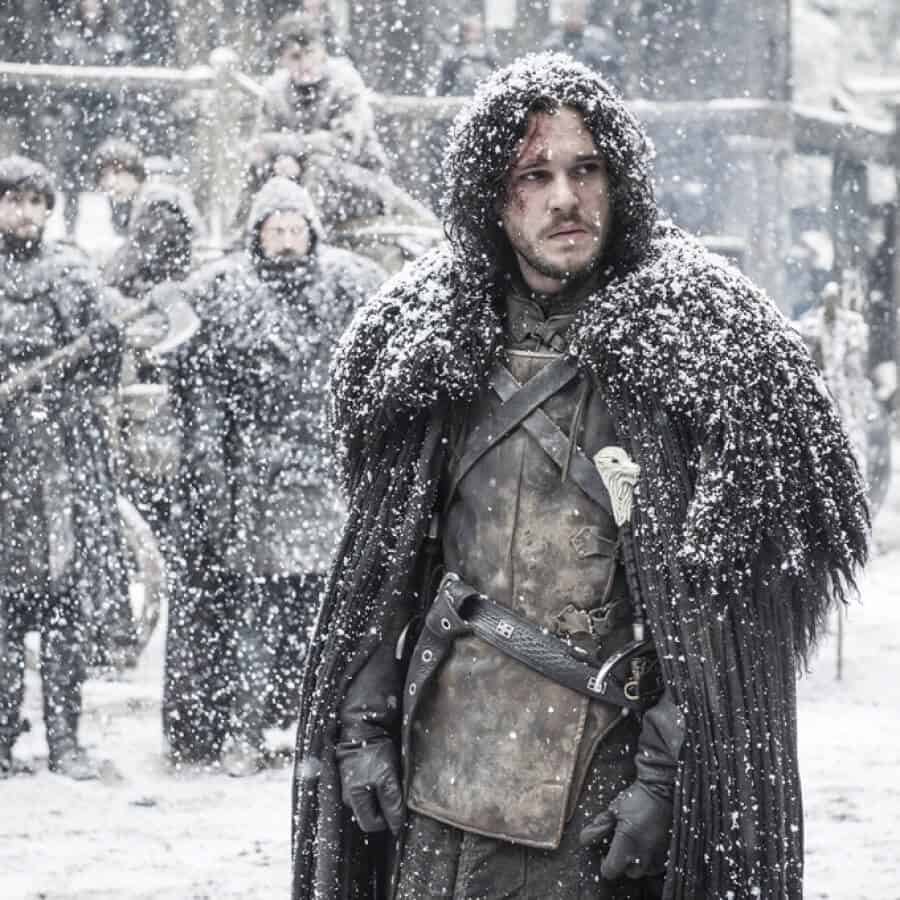
The complex characters, intricate plot lines, and unexpected twists are why people like Game of Thrones.
Ever wondered why “why do people like Game of Thrones” so much? It’s more than just dragons and battles; the show’s appeal runs much deeper.
The intricate web of political intrigue, family dynamics, and moral ambiguities really grabs viewers. Characters are not simply good or bad, making them compelling to watch. The constant shifts in power and the sudden deaths keep everyone on the edge of their seat.

Why Do People Like Game of Thrones?
Game of Thrones wasn’t just a TV show; it was a cultural phenomenon. Millions around the globe tuned in each week, eagerly awaiting the next twist, turn, and maybe even a dragon sighting. But why did it grab people so intensely? What made this fantasy world so compelling? Let’s dive deep into the reasons behind the show’s massive appeal.
The Allure of a Complex World
One of the biggest reasons people got hooked on Game of Thrones is the incredibly detailed world George R.R. Martin created. It wasn’t just about good versus evil; it was a world with shades of gray, where characters made difficult choices, and where political intrigue was as dangerous as any battle. This wasn’t your typical fairy tale.
Intricate Political Landscape
Forget straightforward battles between heroes and villains. Westeros was a place where families schemed and plotted, where alliances shifted faster than the wind. Houses like the Starks, Lannisters, and Targaryens were locked in a constant power struggle for the Iron Throne. This constant jockeying for position made every scene feel loaded with significance. It was like a giant game of chess, where each character was a piece with their own agenda and it was fun to predict what will come next.
Detailed History and Lore
The show was built upon a foundation of rich history, legends, and prophecies. From the ancient wars to the rise and fall of powerful families, the lore of Westeros was vast and immersive. The show dropped hints of the past, which made the viewer curious to know more. This allowed for speculation, fan theories, and a feeling that you were just scratching the surface of something big.
Compelling Characters
Game of Thrones gave us characters that were far from perfect. They were flawed, they made mistakes, and they often had to live with the consequences. This made them feel real and relatable, even in a fantastical setting. We cared about their journeys, their successes, and their failures. These weren’t just cardboard cutouts; these were people you could invest in.
Morally Gray Characters
Forget black and white morality. Game of Thrones was full of characters who operated in the gray. Even characters who seemed good had their dark moments, and those who started as villains sometimes showed moments of humanity. This complexity made them fascinating to watch. For example, Jaime Lannister started out as seemingly arrogant and evil, but as the series went on we saw how much he actually cared about his family and even tried to become a better person. This moral ambiguity added another layer of depth to the show and made the viewers think, “What would I do in their shoes?”
Character Development and Arcs
One of the most satisfying aspects of the show was watching how the characters changed over time. We saw characters grow, mature, and sometimes even completely transform. Sansa Stark went from being a naive young girl to a cunning political player. Daenerys Targaryen transitioned from a vulnerable exiled princess to a powerful conqueror. These arcs were rewarding to watch and kept viewers engaged in the show’s progression.
High Stakes and Shocking Twists
Game of Thrones was notorious for its shocking twists and turns. No one was safe, and the show wasn’t afraid to kill off beloved characters. This constant unpredictability kept audiences on the edge of their seats. You couldn’t take anything for granted and the show constantly defied expectations.
The “Nobody is Safe” Rule
One of the show’s most defining characteristics was its willingness to kill off major characters. This was a radical departure from many other fantasy shows, where the good guys always seemed to survive. The deaths of characters like Ned Stark, Robb Stark, and Oberyn Martell shook the audience to its core and demonstrated that the show wasn’t afraid to break conventions. This also made the viewers cautious because you always felt that no one was safe.
Unpredictable Plotlines
You never quite knew what was going to happen next. The plot was full of surprises, and the show constantly subverted expectations. This sense of unpredictability made each episode feel exciting and it was very difficult to predict the future of the show. You couldn’t watch the show passively, you needed to be actively engaged to keep up with all the twists and turns.
Epic Scope and Production Value
Game of Thrones wasn’t just a great story; it was a spectacle to watch. The show’s large budget resulted in breathtaking visuals, stunning costumes, and awe-inspiring special effects. It truly felt like you were watching a living, breathing world, all made possible by its incredible production value. This elevated the viewing experience significantly and allowed viewers to escape reality.
Stunning Visuals
From the icy landscapes of the North to the sunny shores of Dorne, the show featured a variety of beautiful locations. The cinematography was top-notch, and the visuals were always impressive. The special effects, particularly the dragons, were a sight to behold and added a sense of fantasy and wonder to the show. These amazing visuals pulled you right into the world of Westeros.
Detailed Costumes and Sets
The costumes and sets were incredibly detailed and contributed to the overall feeling of immersion. Each house had its own distinct style, and the clothing and armor reflected the culture and climate of the regions. These details made the world feel lived-in and more believable. The attention to detail gave the series an authenticity rarely seen on television.
The Shared Experience
Game of Thrones became more than just a show; it became a global phenomenon. People all over the world tuned in at the same time and then discussed it online the next day. This shared experience created a sense of community that fueled the show’s popularity and made it a memorable television experience for the viewers.
Water Cooler Discussions
The show sparked countless conversations and debates. People discussed their favorite theories, debated the morality of characters, and analyzed every episode in great detail. These “water cooler” discussions were a big part of the fun and added to the overall enjoyment of the show. The shared speculation, anticipation, and the shock of major events brought people together.
The Fandom and Community
Game of Thrones had a passionate and dedicated fanbase. People wrote fan fiction, created artwork, and participated in online forums. This vibrant community helped keep the conversation going between seasons and made the show feel like more than just a passive viewing experience. This online community made it feel like a shared journey with millions of others.
Relatable Themes
Beneath the dragons and battles, Game of Thrones explored themes that were quite relatable to everyday life. Themes of power, family, loyalty, and ambition resonated with the viewers despite the fantastic setting of the show. The challenges the characters faced were often very human and this made it easier to connect with their stories.
The Struggle for Power
The constant power struggle in Westeros reflects real-world politics. The characters’ ambitions, betrayals, and desperate grabs for control are a common thread through history and many societies. This made the show’s political intrigue that much more engaging to watch. The complexities of these relationships and their effects on the characters felt relatable.
The Importance of Family
Family bonds were a central theme in the show, both in positive and negative ways. We saw how love and loyalty could unite families, but also how betrayal and rivalries could tear them apart. This theme resonated with many viewers as family is a core aspect of most peoples lives. This made the characters more human, as these emotions and challenges are common to all.
The “Event Television” Factor
Game of Thrones was an “event television” show. This means that it was more than just something you watched to pass the time. It was an experience that people anticipated, talked about, and shared with others. It was a cultural phenomenon that captured the world’s attention for a time and was a huge part of the appeal for viewers, making each episode feel unique and important.
Weekly Anticipation
The wait between episodes was part of the fun. Viewers eagerly anticipated each Sunday night, knowing that they were about to dive back into the world of Westeros. This anticipation added to the overall excitement of the show and created a shared experience. The weekly nature of the show allowed fans to discuss and theorize between episodes.
Global Phenomenon
Game of Thrones wasn’t just popular in one country; it was a global phenomenon. People all over the world tuned in and discussed the same events at the same time. This global reach added to the sense of importance and made the show feel like a part of something bigger. Being part of this experience is something that viewers also enjoyed greatly.
In conclusion, Game of Thrones wasn’t just a popular TV show; it was a phenomenon that captured the imaginations of millions. Its intricate world, complex characters, shocking twists, high production value, and shared experience all contributed to its massive appeal. It was a show that was both escapist and thought-provoking, with themes that resonated with audiences on a personal level. Even though the series has ended, its influence on television and popular culture is undeniable and it continues to be discussed and debated by fans worldwide, cementing its place as one of the most important television shows of our time.
Why Game Of Thrones Is A Must Watch Show
Final Thoughts
Complex characters with flaws engage viewers. Twisting plots and unexpected deaths keep audiences on edge. Political intrigue provides a constant layer of suspense.
The stunning visuals and grand scale add to the spectacle. People become invested in the fates of the characters. why do people like game of thrones? It’s the blend of fantasy with realism and moral ambiguity. This makes the show captivating.

