
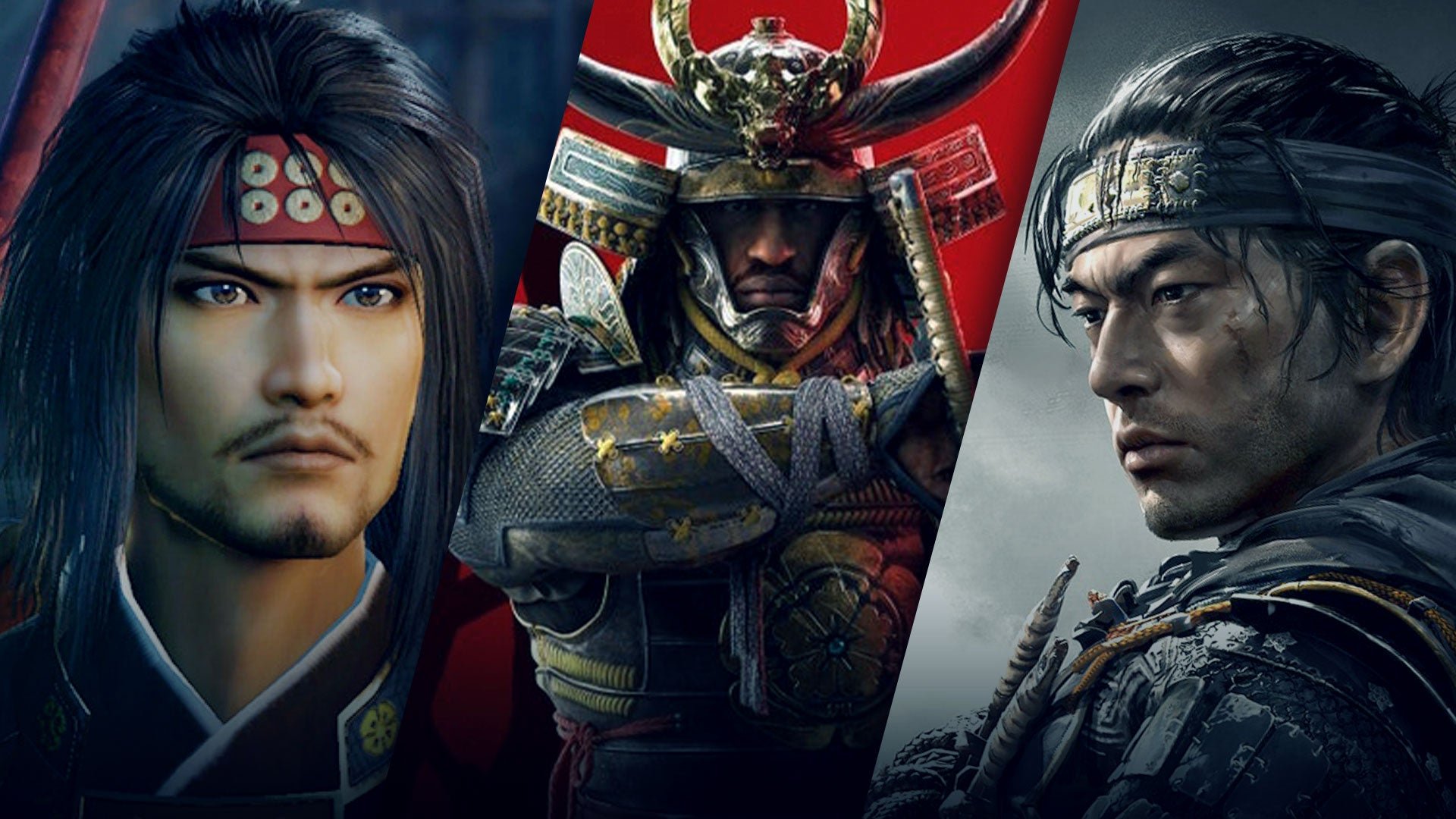
Japanese game characters often adopt stylized, exaggerated features, drawing more from manga and anime aesthetics than realistic representations of Asian people.
Have you ever wondered why dont japanese game characters look asian? It’s a question many gamers and enthusiasts ponder. These virtual heroes and heroines often sport large eyes, vibrant hair, and slim builds, a stark contrast to typical Asian features.
This artistic choice is rooted in the distinct visual styles of Japanese animation and comics. These influences prioritize emotional expression and character recognition. This approach creates a unique and iconic look.

Why Don’t Japanese Game Characters Look Asian?
Have you ever played a Japanese video game and wondered, “Why do these characters look so different from people I see every day?” It’s a common question! Many popular Japanese game characters, from the spiky-haired heroes of Final Fantasy to the wide-eyed adventurers of Pokémon, often look more like they belong in a fantasy world than in Japan. Let’s explore the reasons behind this fascinating phenomenon.
The Influence of Anime and Manga
One of the biggest reasons Japanese game characters don’t always look traditionally “Asian” is because they’re heavily influenced by anime and manga. These popular art styles, with their characteristic large eyes, small mouths, and often colorful hair, have become a defining feature of Japanese popular culture. When game developers create characters, they often borrow directly from these visual styles. They’re not necessarily trying to create a realistic representation of Japanese people; instead, they’re building on a well-established, beloved aesthetic. This aesthetic is not about race or ethnicity, but is a stylistic choice.
Think about your favorite anime show. How are the characters drawn? Do they have large, expressive eyes? This style, created decades ago, has had an impact on all types of Japanese media, especially games. Developers use these recognizable features because players are already comfortable with them and they like how they look.
The Evolution of Manga and Anime Style
The iconic “big eye” look didn’t appear overnight. It evolved over time. Early manga and anime had characters that looked much different than the ones we see today. This style became more refined and more exaggerated over the decades, developing into the distinct style we recognize. This means the artistic choices weren’t static, but continually changing, affecting how game characters eventually looked.
Here’s a simplified look at how that evolved
| Era | Character Appearance | Key Characteristics |
|---|---|---|
| Early Manga (1920s-1950s) | More realistic, influenced by Western comics. | Smaller eyes, less exaggerated features. |
| Transition Period (1960s-1970s) | Larger eyes start appearing, but not as prominent. | Developing stylistic elements. |
| Mature Anime & Manga (1980s-Present) | Large, expressive eyes became the norm. | Exaggerated features, colorful hair, distinctive styles. |
This evolution helps us understand that the character design is an intentional artistic choice. It is not meant to be a direct physical representation.
A Focus on Universal Appeal
Another key reason is the idea of making characters appealing to a global audience. Game developers aren’t just creating games for people in Japan; they’re creating games for people all over the world. By using character designs that are slightly ambiguous in terms of ethnicity, they aim to create characters that can be relatable to anyone, regardless of their background. The character might have certain traits, like bravery or kindness, that are understood and liked worldwide, making them universally appealing.
It’s similar to how many Disney characters have features that aren’t tied to a single ethnicity, allowing them to feel like they could be “anyone”. These designs allow for a broader fan base.
The Concept of “Cute”
The Japanese concept of “kawaii,” or cuteness, plays a big part. Large eyes, small noses, and rounded faces are considered cute and appealing in Japanese culture, and this aesthetic is often translated into character designs. This isn’t limited to female characters either; male characters can also be designed with “cute” elements while retaining masculine traits. The idea is to create visually engaging characters that draw players in.
This emphasis on “kawaii” is also a way to differentiate Japanese characters from the more “realistic” or “gritty” designs that might be seen in Western games. It’s a specific aesthetic that has become a part of their culture.
The Power of Artistic License and Fantasy
Video games, particularly role-playing games (RPGs) and fantasy titles, often have a fantasy or imaginative world setting. Game creators utilize character design to create a unique experience within these settings. They use a variety of visual cues and artistic liberties to enhance their stories. This includes things like fantastical hair colors, elaborate costumes, and, yes, facial features that deviate from reality. The focus is not always on reflecting real life; it’s often about building a world that is both captivating and immersive for the players.
Creating Unique Character Identities
The design of the character is a fundamental part of their identity. The way a character looks can tell you about their personality, their role in the story, and their strengths and weaknesses. A character with sharp features might be portrayed as a villain, while one with soft features might be a friend or a healer. In this way, character design is important for storytelling and gameplay experience. Designers use their artistic skills to express these differences through creative choices.
- Hair Styles and Colors: Unusual hair styles and bright colors are often used to make characters stand out.
- Eye Shape and Size: Expressive eyes can communicate emotion and personality.
- Clothing and Accessories: Unique outfits and items can indicate a character’s role or status.
These are not just aesthetic choices, but also practical ones designed to make each character memorable and distinct.
Avoiding Stereotypes
Another crucial aspect is avoiding harmful stereotypes. By not designing characters with features that might be overly associated with a specific real-world ethnicity, game developers aim to steer clear of potentially offensive representations. This allows them to create characters that are more inclusive and avoid misinterpretations. Focusing on a fantasy aesthetic helps developers sidestep these issues. They are able to use creativity rather than rely on existing stereotypes.
The Problem with “Realistic” Representation
It’s important to acknowledge that “realistic” is subjective. What is considered realistic in one culture might not be considered so in another. If game developers were to only focus on representing a specific ethnicity perfectly, it would likely end up creating a character that only a specific group can relate to. So, the approach used is more focused on universal appeal than on pinpointing a specific ethnicity through character design.
This approach promotes diversity by ensuring the characters don’t feel limited to one region or ethnicity and makes them feel relatable to players from many backgrounds.
Cultural Differences in Visual Preferences
Finally, visual preferences differ greatly between cultures. What’s considered attractive or visually appealing in one culture might not be the same in another. Japanese game character designs often reflect the aesthetic preferences within their own culture. The big eyes, colorful hair and smooth lines are all features that are considered attractive and pleasing to look at in Japan. This helps to explain why, sometimes, characters don’t align with Western expectations. It’s a matter of differing visual tastes.
A game’s art style is part of its identity, and the unique visual style of Japanese games is a key part of what makes them so popular and beloved worldwide.
The Globalized World of Gaming
As the gaming industry becomes more global, developers are starting to experiment with diverse character designs. However, the core aesthetic that has been cultivated over decades in Japanese video games is unlikely to disappear, and remains a prominent feature in most games today. Many fans like these established designs, making it unlikely that we will ever lose the visual style of Japanese games that we have come to love.
Here’s a list that summarizes the main reasons we’ve discussed:
- Strong influence from anime and manga styles.
- A desire to create universally appealing characters.
- Emphasis on “kawaii” or cuteness.
- Use of artistic license to create fantasy worlds.
- Avoidance of potentially harmful stereotypes.
- Cultural differences in visual preferences.
Japanese game character designs are often not meant to be direct representations of real-life people. They are artistic expressions designed to evoke emotions, tell stories, and create immersive experiences within game worlds. They utilize many visual tools and influences that contribute to their unique and identifiable style.
"Why, in Japanese anime, do none of the characters look Japanese?"
Final Thoughts
Ultimately, the stylized, often Westernized features in Japanese game characters stem from design choices prioritizing appeal over realism. This preference for a particular aesthetic is a dominant factor.
Many Japanese developers draw inspiration from manga and anime, which themselves often utilize exaggerated features. These choices create a unique and fantastical appearance. Thus, ‘why dont japanese game characters look asian’ becomes a question of stylistic intention.

