
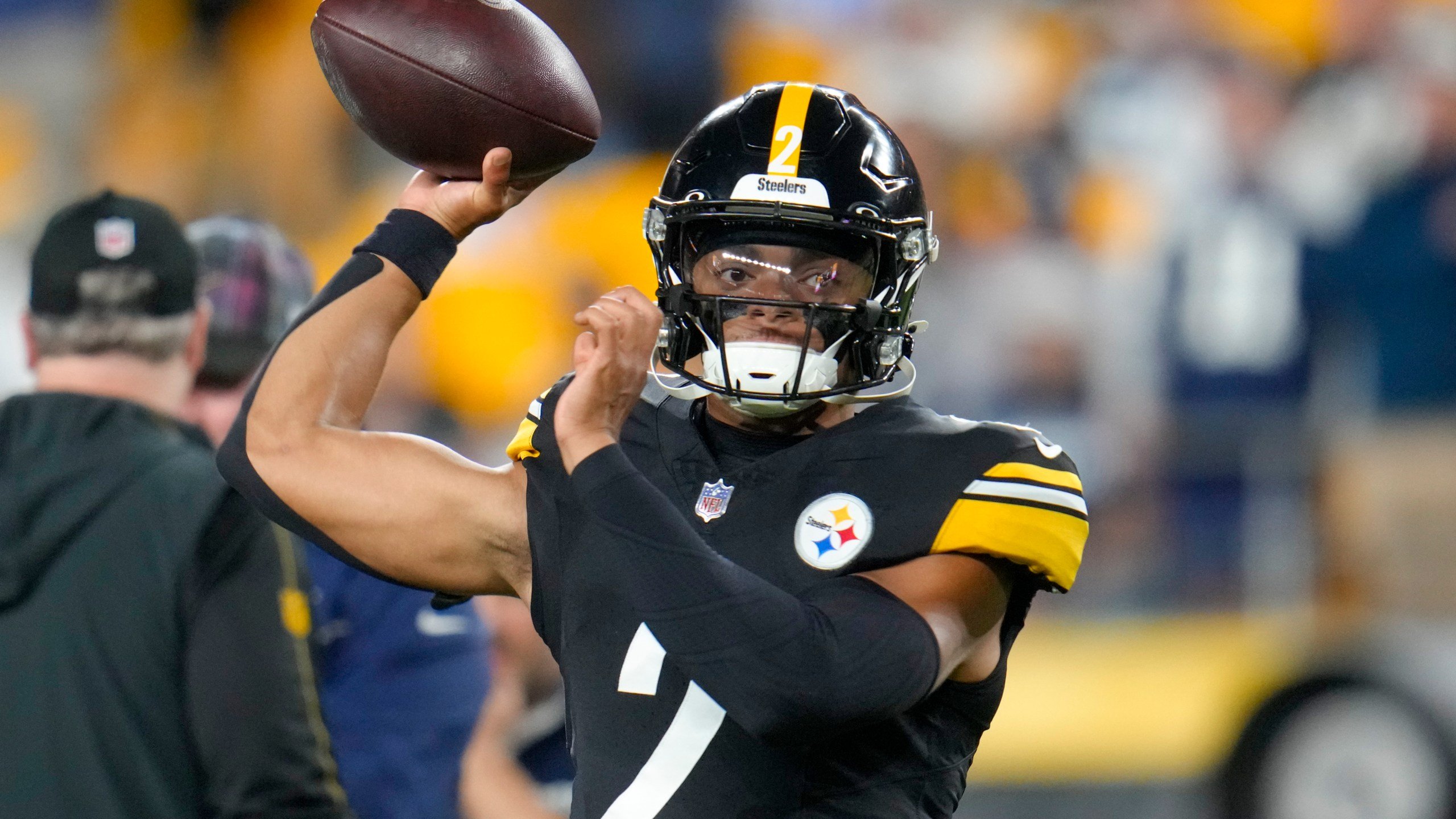
A football game is delayed due to various reasons including severe weather, player injuries, or technical issues with equipment or the stadium.
Have you ever settled in for a big game, only to hear the dreaded announcement: “The game is delayed”? It’s a frustrating experience for fans, but there’s usually a good reason behind it. So, why is football game delayed sometimes, anyway?
Often, it’s something simple, like a lightning storm. Safety comes first, so play stops until conditions improve. Injuries on the field can cause delays too, as medical staff need time to provide care. Sometimes it’s technical.

Why Is a Football Game Delayed?
Ever sat in the stadium or on your couch, ready for a great football game, and then… nothing? The clock just sits there, and the announcers start talking about something else. That’s when you know the dreaded words might come: “game delay.” But why does this happen? It’s not just some random thing; there are many reasons why a football game might be held up. Let’s dive into some of the most common culprits and why they can stop the action.
Weather Woes: When Mother Nature Calls a Timeout
One of the biggest reasons a football game gets delayed is because of the weather. Football is often played outdoors, making it very sensitive to elements like rain, snow, lightning, and even extreme heat. These aren’t just uncomfortable; they can be downright dangerous for the players and fans.
Lightning Strikes: The Biggest Safety Concern
Lightning is a huge safety risk, and game officials take it very seriously. If lightning is spotted in the area of the stadium, the game will almost always be put on hold. It doesn’t matter if the game is in the first minute or the last; safety always comes first. The rule of thumb is often the 30-30 rule: if thunder follows lightning in less than 30 seconds (meaning the lightning is close), people must seek shelter, and the game is delayed until 30 minutes after the last thunder strike or lightning flash. It’s better to wait than to take a chance with a dangerous electrical storm. This pause allows the area to be safe for everyone to return.
Heavy Rain and Downpours
Rain, especially heavy rain, can turn the field into a slick and dangerous place to play. Players might lose their footing more easily, increasing the risk of injuries. Also, if the rain is really bad, it can affect the visibility of the game. Players might have trouble seeing the ball, and fans might have trouble following the action on the field. Think of trying to run while also trying not to slip, plus also trying to see if you could catch or throw the ball with wet gloves and glasses – not easy, right? This is why a game is often delayed until the field is more playable. Sometimes, even if it isn’t raining, very heavy rain beforehand can make the field soggy and dangerous.
Snow and Ice: A Wintery Challenge
Snow and ice bring their own problems to the football field. Just like rain, they can make the playing surface slippery and unpredictable. Ice can be particularly dangerous. Also, the game ball can become wet and heavy, which affects throwing and catching. It can also be very cold for the players, and fans could also be uncomfortably cold. If the conditions are bad enough, it can make things dangerous for everyone, and it is better to delay the game until the weather improves or the field is safer to use.
Extreme Heat: The Silent Threat
While not as visually dramatic as a thunderstorm, extreme heat can also cause game delays. When the temperature and humidity soar, players are at risk of heat exhaustion and heat stroke. These are serious health issues. During hot weather, officials might call for water breaks, or delay the game until the temperature drops. Sometimes it is not just the temperature, but how humid it is. The combination can make it harder to play. Football is a physically demanding sport, and playing in extreme heat adds an additional burden to the players.
Unforeseen Field Issues: More Than Just Grass
It’s not always the sky that causes delays; sometimes, the problem is right beneath the players’ feet. Issues with the field itself can halt the game, and here are some reasons:
Field Condition Concerns
Sometimes, the field has a problem. It might be uneven, have dangerous holes, or have sections that are damaged after a lot of playing. If the field conditions are bad, the officials might delay the game until the surface can be corrected. This prevents players from getting injured from falling or tripping on uneven spots. Field repairs can take time, depending on the extent of the problem. Safety of the players is always the top priority.
Equipment Failures: When the Game Gear Goes Wrong
Sometimes, equipment issues can throw a wrench into the game’s schedule. Think about it—if the goalpost is damaged, or a special piece of gear needed for the game isn’t working, the game will need to be put on hold. Sometimes the lines might need to be remarked, or certain field markers are misplaced. These are the things that can stop a game. There are a lot of things to check before each game. Teams will have backup equipment, but it takes time to swap out malfunctioning gear and get things ready again. This is also a reason why game might be delayed.
Medical Emergencies and On-Field Injuries
While not as common, serious injuries to players or medical emergencies in the stands can also cause delays. The first priority in these situations is always the health and safety of the people involved. If there is a player that is hurt and requires medical attention, the game must stop. Paramedics or doctors may need time to evaluate the condition of the player, and the player may need to be transported to a hospital. The game will usually be delayed until the situation is resolved. Sometimes, it’s not even someone on the field; if someone in the stands needs serious medical help, the game might be delayed to allow medical personnel access.
Technical Difficulties: When Technology Acts Up
Football today has a lot of technology involved, from cameras and microphones to scoreboards and instant replay. When these systems have problems, it can affect the game. Here’s how:
Scoreboard and Timing Issues
A scoreboard that isn’t working properly, or a clock that’s malfunctioning, can really mess up a game. These things are needed to keep track of time, and score for the game. If these stop working, the game can’t continue. It is very difficult to continue a game when they don’t know how much time is remaining, or the current score. The game is usually delayed until the equipment is fixed and working again, and then it can continue.
Communication Problems
Modern football uses a lot of communication technology. This technology helps coaches communicate with the players. Referees need to communicate with each other, and so do the broadcast teams. If these communication systems stop working, then the game is affected. Referees must be able to talk to each other, and so do coaches. If these important pieces of technology are not working, it creates problems for both sides, and the game will be stopped until the issue can be fixed.
Instant Replay Challenges
Instant replay has become a big part of modern football. It helps the referees get the call right. If the system isn’t working correctly, it creates a problem. If a play is really close and the instant replay isn’t working, it can cause disagreement. This can delay the game while they try to find ways to review a play. If a play cannot be accurately reviewed, it may be stopped until the problem is resolved.
Logistical and Operational Hiccups
Sometimes, delays happen due to things that aren’t weather or technology-related. These are logistical problems that can halt the game.
Transportation Problems
Sometimes teams can have problems getting to the game. This can be because of things like traffic or issues with their bus or plane. If the visiting team cannot get to the stadium on time, the game has to be delayed until they arrive. This can cause frustration for fans and others, but the game has to be delayed.
Crowd Issues
It’s rare, but sometimes, if there are problems with the crowd, like too much unruly behavior, it can cause a delay. Safety is the main concern for both the players and the fans. If a problem arises in the stands, the authorities have to restore peace. This might cause a delay, while they deal with crowd problems. Sometimes crowd problems can cause fights, or dangerous situations that have to be stopped.
Scheduling Conflicts
Sometimes there are schedule problems that can cause a delay. This is a little less common, but if there is an important event in the stadium, the game might have to be rescheduled. This could be things like concerts or other types of events that were booked before the game. Rescheduling can cause the game to be delayed while new plans are made. Sometimes these schedule changes happen with little time to plan, and sometimes it takes a while to resolve the problems.
Game Delay Procedures
When a delay happens, there are a few things that happen every time:
- Announcements: Officials will often make an announcement over the public address system. This will let everyone know what is happening and when they expect the game to restart.
- Teams to the Lockers: The players will usually go back to their locker room. It helps them stay out of the weather and they can stay ready.
- Waiting Game: During the delay, everyone waits for the weather to pass or the other issue to be fixed. This can be difficult, but it’s important to be patient.
- Restart Announcement: When everything is ready to go again, another announcement will be made, and the players will come back to the field to start playing.
Football games are big events that require many moving parts to come together. When things don’t work right, it can lead to delays. It’s important to remember that delays are often for the safety of everyone involved, both on and off the field. So, the next time a game is delayed, remember there might be a very good reason behind it, and it’s usually not something anyone can control!
Sugar Bowl featuring Georgia and Notre Dame postponed following New Orleans French Quarter attack
Final Thoughts
Game delays occur due to various reasons. Severe weather, like lightning or heavy rain, is a primary cause. Player injuries requiring immediate attention can also halt play.
Furthermore, unexpected field conditions or technical issues with equipment often lead to delays. These problems require assessment and rectification before play resumes.
In conclusion, many factors can contribute to why is football game delayed. The must resolve situations include weather, injuries and equipment issues. These are key elements that impact game schedules.

