
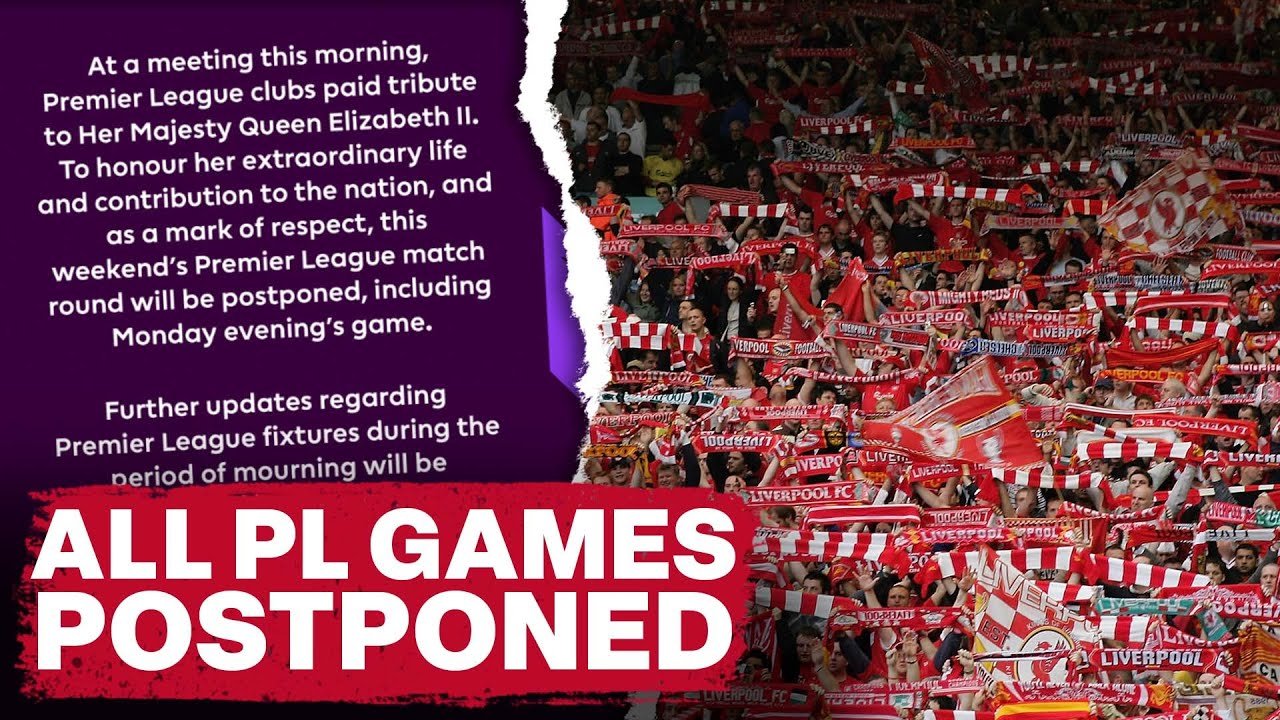
Premier League games get postponed primarily due to severe weather conditions, significant stadium safety issues, or player unavailability caused by widespread illness or international matches.
Have you ever wondered why a highly anticipated Premier League match suddenly disappears from the schedule? It’s a question that often leaves fans frustrated and confused. Why premier league games postponed, after all? Several factors can contribute to this frustrating reality.
Sometimes, adverse weather, like heavy snow or torrential rain, renders pitches unplayable or unsafe for players and spectators. Safety concerns, such as structural problems at the stadium, can also lead to game postponements. Furthermore, widespread illnesses or conflicts with international fixtures heavily impact team availability, causing rescheduling.

Why Premier League Games Get Postponed
Ever wondered why your favorite Premier League match suddenly disappears from the schedule? It can be really frustrating, especially when you’ve been looking forward to it all week. There are actually several reasons why a Premier League game might be postponed, and it’s not always as simple as bad weather. Let’s dive into the different things that can cause these schedule changes.
The Impact of Weather Conditions
One of the most common reasons for a Premier League postponement is the weather. While England isn’t always snowy or rainy, sometimes the conditions become too dangerous for players and fans. Here’s a breakdown of how weather affects matches:
Heavy Snowfall and Ice
Imagine a thick blanket of snow covering the pitch or a sheet of ice making it slippery. Playing soccer in these conditions would be extremely risky. Players could easily slip and injure themselves, and it would be hard for them to control the ball. Referees have the power to call off a game if the field is deemed unplayable due to snow or ice. Sometimes, the areas around the stadium might also become very difficult for fans to travel. Safety is always the top concern in these situations.
Torrential Rain and Waterlogged Pitches
Heavy rain can make the pitch waterlogged, which means that the ground is so soaked that water collects on the surface. This makes it hard for the ball to bounce correctly or roll smoothly. Players might struggle to get a good grip on the ground, increasing the risk of injuries. If the pitch is too waterlogged, the match can’t be played fairly or safely, so it gets postponed.
High Winds
Strong winds aren’t just annoying; they can actually affect the game quite a bit. A high wind can make it difficult to control the ball, change the direction of passes, and even make it hard to judge the path of the ball in the air. In extreme conditions, the wind can also pose dangers to fans and structures around the stadium. If the wind makes play dangerous or unfair, a postponement might be necessary.
Player and Staff Health Concerns
Another major reason for Premier League games getting moved is player and staff health, particularly in situations like widespread illness or disease outbreaks. Let’s explore this in detail:
Outbreaks of Illness: The Impact of Viruses
When there is a widespread sickness like a bad flu or a more serious illness, it can hit a football club hard. If a lot of players or key staff members get sick, the team might not have enough healthy players to field a competitive team. In such cases, the Premier League might decide to postpone the game to protect the health of everyone involved and prevent the spread of the illness.
COVID-19 Related Postponements
The COVID-19 pandemic made a massive impact on sports, including the Premier League. If there were positive COVID cases in the team, games would often be postponed. The safety of players, staff, and the public was the top priority. These kinds of postponements showed that the Premier League is very careful when dealing with potential health risks.
Injury Crises within a Team
While individual injuries are normal in soccer, sometimes a team experiences a sudden surge of injuries, leaving them with too few fit players. If a club doesn’t have enough healthy players to make up a team or have enough substitutes, the game is likely to be postponed. The Premier League has rules about how many players a team needs to have available to play a match. When a team can’t meet these requirements due to a number of injuries, a postponement becomes necessary.
External Factors and Unforeseen Events
Beyond weather and health, other less common reasons can also lead to a Premier League game being postponed. These situations are usually unexpected and require careful consideration.
Ground Issues and Stadium Unavailability
Sometimes, there are problems with the stadium itself. Maybe there’s an issue with the field surface that can’t be fixed in time, or there could be structural damage to the stadium itself. In these situations, games might need to be moved to a different date. Stadiums may also be used for other events, or they might be closed due to safety reasons. If a stadium isn’t available, or safe, it might result in games being postponed.
Major Public Events or National Emergencies
If a big public event like a major parade or a national emergency takes place, it could impact police resources and the availability of other essential services. The police usually have a big role in making sure that football matches are safe and well managed. If they are needed elsewhere, there may not be enough officers available to manage the crowd, making it a necessity to postpone the match. In case of national emergencies or public safety issues, matches could get postponed as well.
Travel and Transport Disruptions
When there are problems with transportation, such as train strikes or severe travel delays, it can be very difficult for fans to travel to the stadium, and even sometimes for the team members as well. The Premier League aims to ensure that everyone can attend games safely and comfortably, and when travel issues make that difficult, a game may be postponed. Transportation problems can sometimes make it impossible for teams to reach the venue, which will also cause a match to be postponed.
Scheduling Conflicts and Cup Competitions
Sometimes, the reason a Premier League game is postponed isn’t due to emergencies but rather due to conflicts with other matches or tournaments. Let’s explore these schedule-related reasons.
Conflicts with Domestic Cup Competitions
Teams in the Premier League often participate in other competitions, like the FA Cup and the League Cup. If a team has a game in one of these cup competitions, it can sometimes clash with a scheduled league game. In these cases, the Premier League game might be postponed to give the team time to play both. This ensures fairness and avoids a team having to play too many games within a short period of time.
International Fixtures and Tournaments
Many Premier League players represent their countries in international matches. When there are international breaks, or international tournaments, such as the World Cup, European Championship, or the African Cup of Nations, the Premier League will usually pause so that players can join their national teams. This means that Premier League games are often rescheduled around these international events so that all the best players have the chance to participate.
How the Premier League Decides on Postponements
Postponing a Premier League game isn’t a decision made lightly. There are specific steps and rules that the league follows. Let’s take a look at how these decisions are made.
The Role of the Premier League Board
The Premier League Board is the group in charge of making big decisions about the league. When a club requests a postponement, the Board looks very carefully at the reasons given. They check to see if the reasons meet the rules for postponement. They consider all the information from the club and from other authorities, like the police and health officials. Their goal is to make sure that games are only postponed when absolutely necessary.
Consultation with Clubs and Relevant Authorities
Before any final decision, the Premier League talks to the clubs involved in the match, as well as other groups such as police forces, and transport companies. They will get information from them regarding health issues, stadium availability, or travel problems. This helps them understand the situation fully before making a decision. It’s important to know the views of everyone who is affected.
The Importance of Fair Play and Competitive Balance
One of the most important things that the Premier League considers is fair play. They want to make sure that all teams have an equal chance to compete, and that no team is disadvantaged by a situation. If a game was to go ahead when one of the teams has many players ill or injured, it would be an unfair advantage to the other team. They make sure that the game is rescheduled so both teams will play in the best conditions. This is why postponements are sometimes necessary, as it means that games are played when all teams have an equal chance to play their best.
Rescheduling of Postponed Fixtures
Once a match is postponed, it needs to be rescheduled for a new date. Let’s look at the challenges of finding a new time for these games.
Finding Suitable Dates
Rescheduling a Premier League game isn’t always easy. The Premier League has a very busy calendar with many games already scheduled. They need to find a date that works for both teams, that does not interfere with other games or tournaments. This can be quite a challenge, especially if teams are playing in other competitions or if there are many games that need to be rescheduled. The scheduling team try their best to find a suitable slot for everyone.
Impact on the Season Schedule
Postponements can make the season more complicated. If several games are postponed, it can bunch up the fixture list. This means that teams may have to play more games within a short time. This can be tiring for players and can also affect how well they perform. The Premier League has to carefully plan to minimize the impact of postponements on the entire season, to make sure that it is fair for all the clubs.
Communicating Rescheduled Dates to Fans
Keeping fans informed about changes to schedules is a must. The Premier League uses its website, social media and also gets information from the clubs to inform fans when a game is moved. They do their best to give fans plenty of notice, as it can affect travel arrangements. They also try to make sure fans are informed about how to get a refund or new tickets. Effective communication is very important to the league, so they provide the best possible experience.
In summary, Premier League games are postponed for a variety of reasons, ranging from bad weather and player health to stadium issues and scheduling conflicts. These decisions are not taken lightly and are made to ensure the safety of everyone involved, as well as maintain a fair and competitive league. While postponements can be frustrating for fans, they are a necessary part of professional sports.
The premier league has been postponed #football #shorts #premierleague #mancity
Final Thoughts
Premier League games face postponements primarily due to various reasons. Severe weather conditions, like heavy snow or strong winds, can make matches unsafe. Sometimes, stadium issues or significant local events cause rescheduling.
Clubs also request postponements when they have many players unavailable, often due to injuries or illness. Ultimately, a combination of factors contributes to why premier league games postponed, always prioritizing safety and fairness.

