
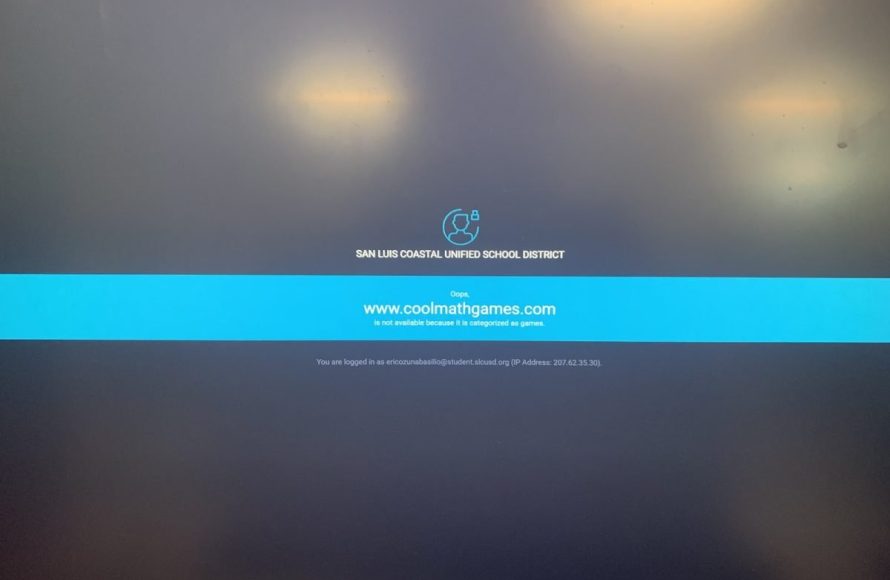
Cool Math Games was blocked primarily due to school network administrators aiming to limit distractions and maintain focus on academic tasks.
Remember those days when Cool Math Games was a go-to during free time? Suddenly, many found the site inaccessible, raising the question: why was cool math games blocked? Schools often block websites to keep students on task.
These restrictions help prevent misuse of school resources and create an environment more conducive to learning. It’s all part of an effort to keep students engaged in their studies.

Why Was Cool Math Games Blocked?
It’s happened to many of us. You’re in school, maybe during a break or after finishing your work, and you decide to visit Cool Math Games for a bit of fun. But instead of your favorite game loading up, you’re greeted by a big, annoying “blocked” message. What gives? Why are schools blocking Cool Math Games? It’s a common question with a few different answers. Let’s explore the main reasons why this popular website gets blocked in schools and other places.
The Main Culprit: Distraction in the Classroom
The most significant reason behind Cool Math Games being blocked comes down to one big word: distraction. Schools are primarily for learning, and games, even educational ones, can easily pull students’ attention away from their lessons. Think about it – if you’re supposed to be focusing on fractions but know that Fireboy and Watergirl is just a click away, it’s incredibly tempting to sneak a peek. Teachers often find students playing games when they should be doing classwork, and this negatively impacts learning progress. To maintain a focused environment, many schools choose to block access to websites known for games, including Cool Math Games. It’s a preventative measure designed to reduce the temptation to play during class time.
The Challenge of Managing Student Attention
Managing a classroom full of kids is no easy job. Teachers work hard to engage students in lessons and help them learn important concepts. The presence of entertaining games like those found on Cool Math Games creates a challenge for teachers. Students can become overly focused on the potential to play instead of focusing on the topic being taught. It disrupts class flow and makes it harder for teachers to maintain control. Even if a student is playing a game quietly, their attention is not on the lesson which will not help them in learning, schools will block sites like Cool Math Games to keep things organized and help students stay focused on the learning tasks at hand.
Filtering Systems: How Schools Block Websites
So, how exactly do schools stop students from getting to Cool Math Games? They use special software called web filters. These filters act like gatekeepers, checking every website address you try to visit. When you try to go to a website, the filter checks it against a list. If the website is on the list, it is blocked. The list includes categories such as gaming, social media, and other potentially distracting websites. These filters are designed to keep students away from inappropriate or distracting content and thus protect the school environment and the students.
The Blocking Process: An Inside Look
Web filters work by maintaining databases of websites. These databases are constantly updated to include new and potentially unwanted sites. When a student tries to access a website, the filter software first checks its database. It searches to see if the website’s address matches an entry on its “blocked” list. If there’s a match, the filter stops the web browser from loading the page. It’s like having a doorman who checks your name before allowing you into a building. If your name isn’t on the “approved” list, you don’t get in. This method ensures that the school’s network is protected and used appropriately. Schools often use third-party providers to help manage their filtering systems, meaning the process can vary slightly, but the fundamental idea is the same.
Misconceptions About Educational Games
Cool Math Games, despite its name, is primarily known for its fun and addictive games. While some games might have math or logic elements, their primary purpose is entertainment. Many adults and kids know this site as primarily a source of entertainment, rather than a pure educational tool. This can lead to schools viewing the website as a general gaming site, and therefore, consider it an unnecessary distraction. This misperception can lead to the whole site getting blocked.
Balancing Fun and Learning
Finding the right balance between fun and learning can be hard. While educational games can sometimes assist learning and make it more engaging, most games on Cool Math Games are primarily for entertainment. Because of this, they are viewed as similar to video games that are made only for fun, like those on gaming consoles. This is why a majority of schools err on the side of caution, blocking the whole site instead of separating out the educational games. They often do this to avoid the effort of individually categorizing each game and to prevent students from getting distracted from class lessons.
Network Security and Potential Risks
Another reason why schools block websites like Cool Math Games relates to network security. Unmonitored websites, particularly those with many external links and advertisements, could contain viruses or other malicious software that can be harmful to the school’s computer system. Schools have a responsibility to keep their networks safe, and sometimes this includes blocking websites that could be potential threats to security.
The Importance of School Network Safety
Schools have lots of devices connected to their networks including student computers, teachers’ laptops, and other important administrative devices. A virus on the network can cause many problems, and could result in the loss of important school data, or make school computers unusable. To prevent this schools can be cautious by blocking certain websites. This ensures that the school’s network and data remain secure for everybody who uses it.
Alternatives and Finding Fun Learning
Even though schools may block Cool Math Games, there are many different ways you can enjoy gaming and education together. There are several other websites and applications available that provide games designed specifically to help students learn. There are also many games that will make kids think strategically and make them think out of the box. It is also important to have fun during learning, so you will remember things well.
Exploring Other Educational Platforms
Many sites offer learning games for various subjects like math, science, and reading. These platforms are designed to be both educational and fun, so that they can appeal to kids and aid learning process. Your teachers may have suggestions about other good resources that are not blocked and can be used in classroom to learn better.
Examples of Fun Educational Alternatives
- Khan Academy Kids: A free app with games and activities for younger kids.
- ABCya!: A website with a collection of educational games for different subjects.
- Prodigy: A math game with a role-playing theme that students will enjoy.
- National Geographic Kids Games: Features games that focus on science and geography.
These are just a few examples, and there are many other great resources available.
Parental Controls and Home Use
If Cool Math Games is blocked at school, you may wonder if you can play it at home. Generally, if you are on your home Wi-Fi, you will likely not be blocked from playing on the site. However, it is always a good idea to talk to your parents if you are not sure about using games online. If parents don’t want you to access specific sites, they can use parental controls. These controls allow them to block specific websites on your home devices, limiting access.
How Parental Controls Work
Parental controls are features that come built in to most devices and internet routers. These controls will allow parents to set up rules regarding what websites can be accessed, and when, for children on the network. This can include blocking websites, limiting time spent online, and tracking device usage. They can add extra security for parents who want to make sure their children have safe internet browsing experiences. Most parental control software and services have specific tools to block website. So, if a parent chooses to block Cool Math Games, or similar sites, the child will not be able to access the site, even on a home network.
The Importance of a Balanced Approach
While schools block access to games for a reason, the goal isn’t to make learning boring. It’s about ensuring that learning takes place in a focused environment. While games can be very fun, they can be distracting, and schools need to keep this in mind. The challenge is to find a good balance between using technology for fun and for educational purposes. There should be a good approach to help children learn and engage while also keeping them on track in school. Games do play a big role in learning and understanding things in a fun way, and this should be encouraged as well.
Finding the Right Mix
Having a healthy balance between work and fun is always important for everyone, even for young children. When kids spend too much time playing games, it can make it difficult to focus on school tasks. Schools have to keep this in mind, so they block many websites. However, having some fun time is important, and you can do this outside of school with your family and friends. So, it’s about making sure you know when to focus on school work and when to have fun with games. It can be a challenge, but it will help you to learn much better and be good at both school and fun activities.
In short, the blocking of Cool Math Games is done to keep students focused on schoolwork, ensure security on school networks, and because the games are perceived more as entertainment than education. While this can be disappointing for those who enjoy the games, remember that there are other ways to combine learning and fun, both at school and at home.
Why is cool math games blocked
Final Thoughts
School districts blocked Cool Math Games primarily due to concerns about student focus and time management. These games, while educational, also presented a distraction. Accessing them during class time was problematic.
The games, though often helpful, became a tempting alternative for students. This made it difficult for teachers to maintain a learning environment. Ultimately, the primary reason for blocking was: why was cool math games blocked? It boils down to keeping students on task.

