
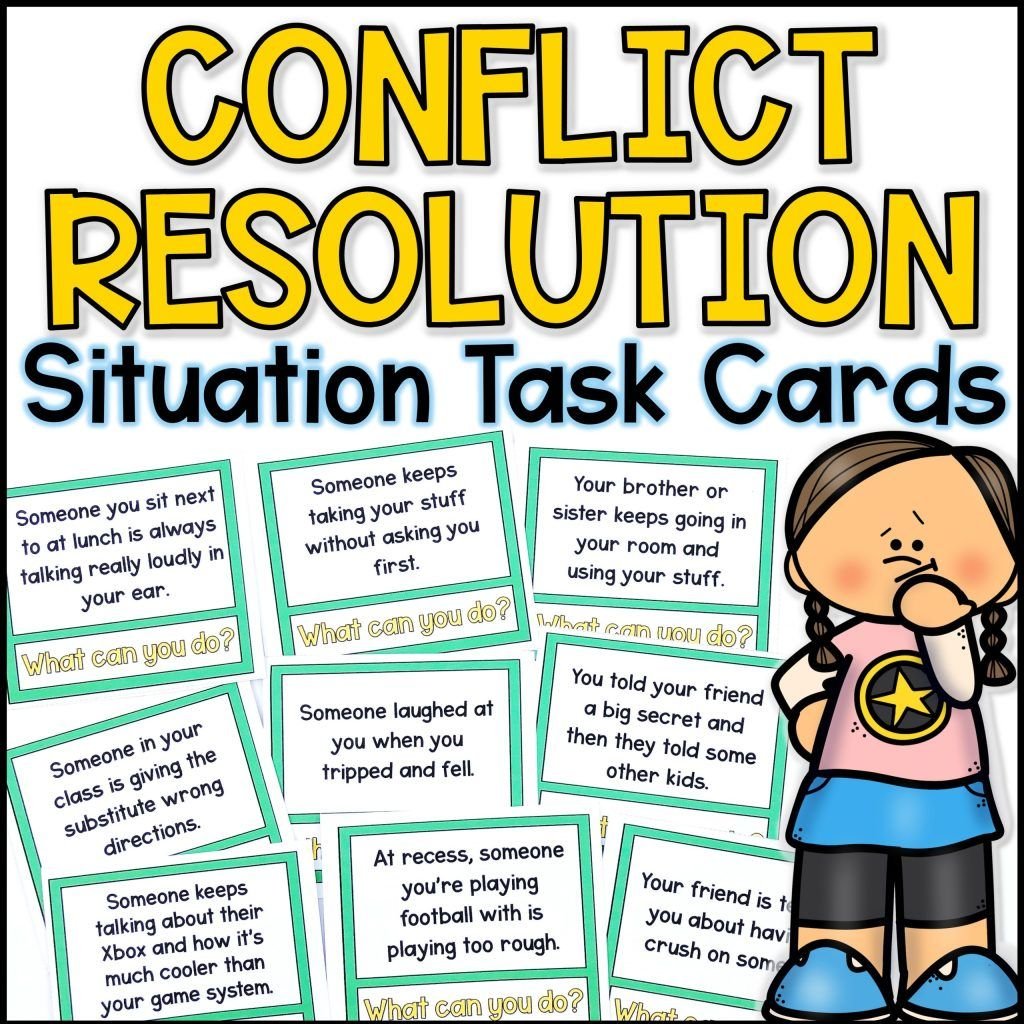
Xbox conflict resolution involves communicating respectfully, using the mute or block options when needed, and taking breaks if frustration escalates.
Online gaming can get intense. Sometimes, disagreements arise, and that’s where Xbox conflict resolution becomes essential for a positive experience. Navigating these situations effectively ensures everyone enjoys their gameplay.
Knowing how to manage heated moments is key. Keeping interactions civil and using available tools prevents small squabbles from turning into big problems. Taking a step back can also be helpful when things get too much.

Xbox Conflict Resolution: Keeping the Game Fun
Playing games on Xbox is a blast, right? You get to explore cool worlds, team up with friends, and show off your skills. But sometimes, things can get a little heated. Maybe someone isn’t playing fair, or maybe you just got super frustrated. That’s where conflict resolution comes in. It’s like having a toolbox of skills to help you deal with disagreements and keep the fun in gaming. Let’s dive into how we can make Xbox a more positive place for everyone.
Understanding Common Xbox Conflicts
Before we can fix problems, it’s important to know what kinds of problems pop up most often. Think about some of your own experiences. What makes you feel annoyed or frustrated while playing?
Unfair Play: Cheating and Griefing
One of the biggest problems is unfair play. This includes things like:
- Cheating: Using outside tools or tricks to gain an unfair advantage. For example, using a modded controller to get better aim in a first-person shooter.
- Griefing: Intentionally ruining the game for other players. This could be repeatedly killing a teammate, destroying their creations, or blocking them from moving.
- Boosting : Collaborating with other players to artificially inflate ranking points.
It’s not fun when someone doesn’t play by the rules. It can make the game feel unbalanced and frustrating for everyone else involved.
Verbal Abuse and Harassment
Another common issue is when people use hurtful words. This can include:
- Name-calling: Using insults or derogatory terms towards other players.
- Trash talking: While some playful banter is okay, crossing the line to actual harassment is not.
- Threats: Making someone feel scared or intimidated.
- Bullying: Repeated and aggressive behavior that targets someone.
- hate speech: Using slurs or language that targets someones protected group.
Words can be powerful. When people use them to hurt others, it takes the fun out of the game and makes Xbox an unsafe place to be.
Disagreements Over Gameplay
Sometimes, conflicts happen simply because players have different ideas about how to play. For example:
- Strategy disagreements: One person might want to take one approach while others disagree.
- Resource hogging: Someone is taking all the resources.
- Lack of teamwork: Players not communicating or cooperating effectively in a team game.
These disagreements are often not malicious, but they can still lead to frustration and arguments.
Strategies for Resolving Conflicts on Xbox
Now that we know the common problems, let’s look at some ways to resolve them. These aren’t always easy, but with practice, you’ll get better at handling these situations. Remember, the goal is to make Xbox a fun and respectful place for everyone.
Communication is Key
The first step in resolving a conflict is often talking about it. Sometimes, a simple conversation can clear up a misunderstanding. Here are some tips:
- Stay Calm: When things get tense, take a deep breath. Reacting angrily will only make the situation worse.
- Use “I” statements: Instead of saying “You always…” try saying “I feel frustrated when…” This focuses on your own feelings without blaming.
- Listen Carefully: Hear what the other person has to say before jumping in with your response. There might be something that you overlooked.
- Choose Your Words Wisely: Avoid yelling or using name-calling. Use respectful and appropriate language.
Sometimes, you might be the one who needs to apologize. It takes courage to say you’re sorry, but it can go a long way towards fixing a disagreement.
Using Xbox Tools for Conflict Resolution
Xbox provides several tools to help you handle conflicts. It’s good to know how to use them.
Muting and Blocking
If someone is being verbally abusive or using hurtful language, the first thing you can do is mute them. This will prevent their voice chat from reaching you. If things get really bad, you can block them. When you block someone, you won’t receive their messages and they won’t be able to play with you again. Here’s how to do it:
- Open the Xbox guide by pressing the Xbox button on your controller.
- Navigate to the party chat or the player’s profile.
- Select the player you want to mute or block.
- Choose the “Mute” or “Block” option from the menu.
Muting and blocking is very helpful, because it stops the problem at the source and prevent further escalation.
Reporting Players
If someone is repeatedly cheating, being verbally abusive, or violating the Xbox Community Standards, you can report them. When you report a player, the Xbox safety team reviews the situation and can take appropriate action, such as warnings, temporary bans, or even permanent bans from the Xbox network.
Here’s how to report someone:
- Open the Xbox guide.
- Navigate to the player’s profile.
- Select “Report.”
- Choose the reason why you are reporting the player.
- Provide any specific details or evidence you have.
Reporting is important because it helps make Xbox a safer place for everyone. Be truthful when you report someone and don’t make false claims.
Self-Regulation and Taking a Break
Sometimes, the best thing to do is to step away from the game. If you’re feeling angry or frustrated, take a break. Go for a walk, listen to music, or do something else you enjoy. When you come back, you’ll be refreshed and better able to handle things calmly. This is called self-regulation. It’s about managing your own emotions.
Here are some self-regulation tips:
- Identify Your Triggers: Recognize situations that tend to make you feel upset.
- Practice Breathing Exercises: When you feel yourself getting angry, take a few slow, deep breaths.
- Use Positive Self-Talk: Remind yourself that it’s just a game and that you’re doing your best.
- Walk Away: If you can’t calm down, it’s okay to leave the game temporarily.
Being a Positive Influence
We can also create positive change by being good teammates and good examples to others. How we treat others, the kind of words we use, and how we conduct ourselves as a player plays a significant role in creating a more enjoyable Xbox experience for the whole community.
Leading by Example
Be the kind of player you want others to be. Treat people fairly, be respectful, and follow the rules. Your actions have more impact than you realize. When others see you being fair and respectful, they are more likely to do the same. Here’s how you can be a good example:
- Be Fair: Avoid cheating and play by the rules.
- Be Respectful: Use kind language and avoid insults.
- Be Supportive: Help out your teammates and encourage them.
- Be Patient: Understand that everyone makes mistakes.
Promoting Positive Communication
When you’re in a party chat or game, try to keep the conversation positive and constructive. This includes:
- Encouraging Teammates: Offer positive feedback and support.
- Keeping a Calm Tone: Avoid escalating situations by responding to frustration with more frustration.
- Offering Solutions: Instead of complaining, suggest constructive solutions.
- Using Positive Language: Create a friendly and welcoming atmosphere.
Preventing Conflicts Before They Start
Sometimes, the best way to handle a conflict is to stop it from happening in the first place. There are things you can do before you even start gaming to reduce the chances of problems arising.
Choosing Your Companions Wisely
Who you play with matters. If you have friends who are kind, fair, and fun to be around, then try to play with them often. You can also be part of gaming communities that promote positive behavior.
Setting Expectations
Sometimes, conflicts arise from miscommunication. Before you start a game, talk with your team about what you expect from each other. This could include team strategies, roles, or even how to handle disagreements.
Being Aware of Your Own Actions
It’s important to think about how you’re behaving. Are you being fair? Are you being respectful? Are you contributing to a positive environment? Ask yourself these questions from time to time.
Specific Scenarios and How to Handle Them
Let’s look at some common scenarios and how to deal with them.
Dealing with Cheaters
If you suspect someone is cheating, try to remain calm. Don’t accuse them directly in chat, as this might cause the person to escalate the situation. Instead:
- Gather Evidence: Try to get some proof of the cheating, such as screenshots or video clips.
- Report the player: Report the player through the Xbox reporting tool, along with evidence you have collected.
- Avoid Playing with Them: If possible, don’t play with the cheater again.
Dealing with Verbal Abuse
If you are facing verbal abuse, you should:
- Mute and Block the Player: Use Xbox features to prevent further communication.
- Report the player: Report the abusive behavior to Xbox.
- Do Not Engage: Don’t stoop to their level. Responding with abuse will only make things worse.
- Take a Break: If it’s too much, take a break.
Dealing with Disagreements Over Strategy
When teammates disagree over strategy, try to:
- Listen to Different Points of View: Try to understand why others are suggesting their approach.
- Suggest Compromises: Find a solution that works for most people.
- Focus on the Goal: Remember that the goal is to have fun and win the game.
- Communicate: Talk calmly to your teammates.
Long-Term Solutions and Community Impact
Conflict resolution isn’t just about solving individual problems. It’s about creating a better gaming community for everyone. Here’s how we can help in the long run.
Promoting Xbox Community Standards
Xbox has Community Standards that outline the kind of behavior expected of all players. Knowing and following these standards is essential for everyone. These standards include:
- Respect Others: Treat everyone with respect, regardless of their skill, background or beliefs.
- Play Fair: Don’t cheat or try to gain an unfair advantage.
- Communicate Respectfully: Avoid offensive language and hate speech.
- Report Bad Behavior: If you see someone breaking the rules, report them.
Creating a Culture of Respect
By following these standards and leading by example, we can create a culture of respect within the Xbox community. When people feel respected and safe, they’re more likely to have positive gaming experiences. A culture of respect includes:
- Inclusivity: Welcoming players of all skill levels.
- Empathy: Being understanding and considerate of others feelings.
- Helpfulness: Supporting and assisting teammates.
- Fairness: Playing by the rules and being ethical.
It’s a continuous effort, and every player contributes to making Xbox a better place.
Using these conflict resolution techniques isn’t just beneficial, it’s necessary for everyone in the Xbox community. When every player understands these ideas, the Xbox environment will be more fun, safer, and ultimately more enjoyable for all. Let’s work together to promote a positive gaming space.
Conflict Resolution Solutions! #ricknmortygame #highonlife
Final Thoughts
Effective communication remains key when disagreements happen on Xbox. Players can utilize built-in tools to report bad behavior, and adjust privacy settings. Remember to take breaks when things get heated.
Xbox conflict resolution includes choosing to mute, block, or even leave a problematic game session. Prioritizing positive interactions makes gaming enjoyable for everyone.

