
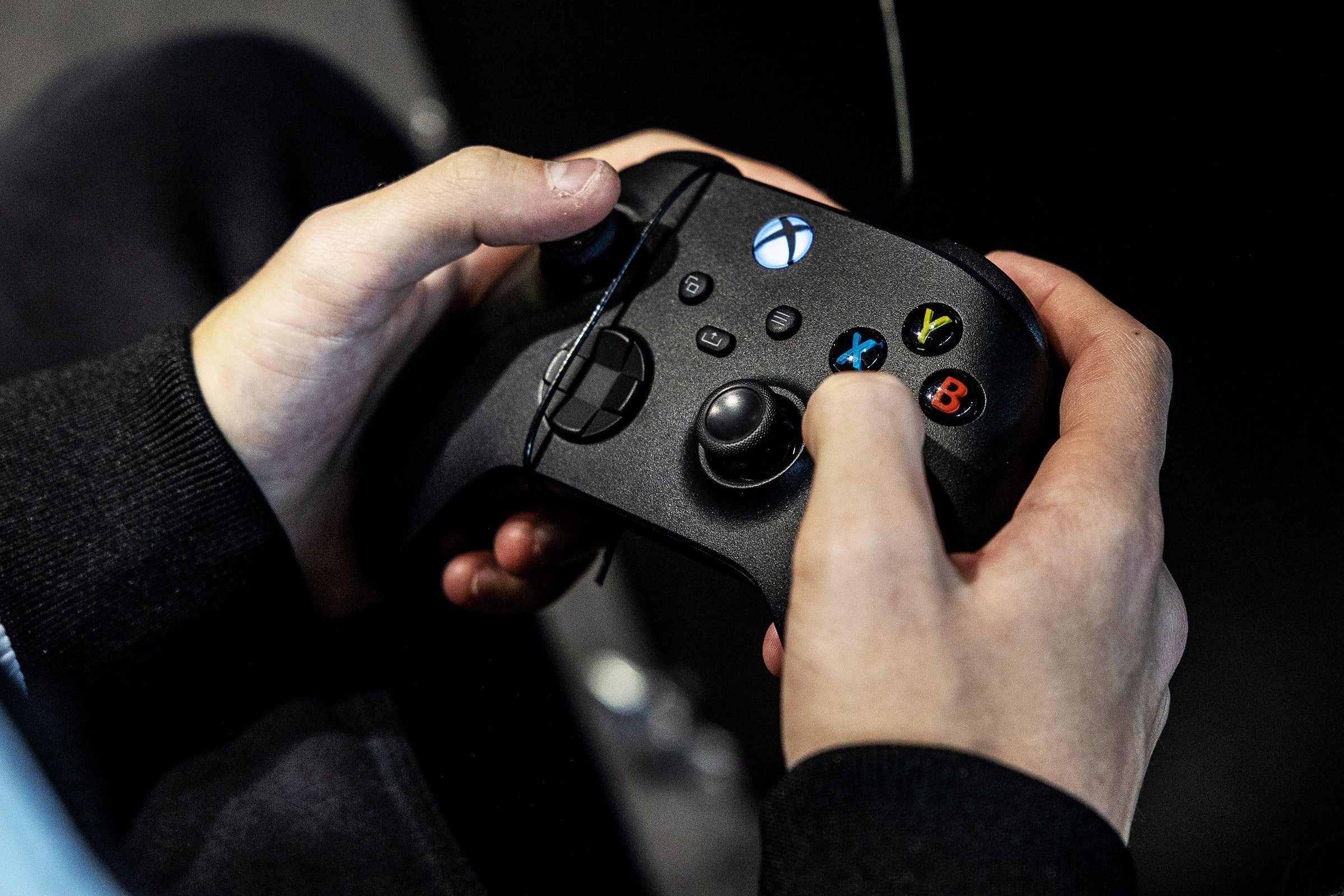
Xbox cultural differences in games manifest in varying player preferences for genres, gameplay styles, and even narrative themes based on geographic regions and cultural backgrounds.
Exploring the world of Xbox gaming reveals more than just pixelated landscapes and thrilling challenges; it exposes a rich tapestry of player preferences shaped by cultural norms. We see that tastes in games vary greatly around the globe, demonstrating that what one region finds engaging, another might find less appealing. This observation allows us to delve deeper into understanding how cultural backgrounds influence gaming habits.
This article explores Xbox cultural differences in games, giving insight into how these variations impact everything from the popularity of specific genres to the perception of game narratives. The way stories unfold and challenges are approached varies drastically depending on where in the world the game is being played. These differences highlight the diversity within the Xbox gaming community.

Xbox Cultural Differences in Games
Video games are a global phenomenon, loved by people all over the world. But did you know that how we play and what games we like can be quite different depending on where we live? This is especially true when we look at Xbox gaming. The games we choose, how we play them, and even how we talk about them can vary a lot because of cultural differences. Let’s jump into the exciting world of Xbox and see how culture makes a difference.
Regional Preferences in Game Genres
One of the biggest ways culture affects Xbox gaming is in the types of games people like to play. What’s super popular in one country might not be as much of a hit somewhere else. This isn’t about one type of game being “better,” but more about the stories, themes, and gameplay that resonate with a particular culture.
The Power of Storytelling: JRPGs vs. Western RPGs
Think about role-playing games (RPGs). In Japan, Japanese Role-Playing Games (JRPGs) are hugely popular. They often feature deep stories, lots of colorful characters, and turn-based combat. Games like Final Fantasy and Dragon Quest are legends there. In North America and Europe, Western RPGs like The Witcher and Skyrim are popular. These games often focus on more open worlds, more realistic graphics, and more character customization. The stories, while still important, often have different tones and pacing.
The differences likely stem from various factors. JRPGs draw heavily from Japanese animation (anime) and manga, which are integral parts of Japanese culture. Western RPGs, on the other hand, are often inspired by Western fantasy literature and mythology. This difference in storytelling traditions is a key factor in genre preferences.
Sports Games: A Global Divide
Sports games show really clear cultural divides. In North America, games like Madden NFL (American football) and NBA 2K (basketball) are huge. These sports have big fan bases in those regions. However, in Europe, games like FIFA (soccer) are far more popular. Soccer, as it is called in most of the world, is a passion in many parts of the world, so naturally, its video game counterpart is popular there. This demonstrates how much real-world sports popularity can influence video game trends.
Even within sports games, the style of gameplay can be different. European players might be more interested in strategy and team tactics in a soccer game, while North American players might enjoy the more individual player-focused aspects of basketball or football games.
This difference isn’t just about liking a sport in the real world, but how that translates into enjoyable gameplay. Different cultures value different elements of those sports, which they look for in games.
Shooters: The Appeal of Action
Shooter games, whether first-person or third-person, generally see popularity across many regions. However, the specific styles and themes often differ. For example, games with historical or realistic settings can do better in some countries than others, while sci-fi shooters with a strong futuristic element might be more liked in other areas.
The intensity and gameplay elements like fast-paced action and competitive modes might appeal to players globally, but the specific settings, stories, and character designs often reflect regional tastes and cultural influences.
Online Multiplayer and Communication Styles
Playing games online with others has become very popular. But how people interact in online multiplayer games can be different too, depending on their culture. The way we chat, form teams, and show sportsmanship is often influenced by where we grew up.
Language Barriers and Social Cues
The most obvious difference is language. When players from different countries join the same online game, there is often a language barrier. Players may have to use in-game chat features or learn some common phrases to communicate effectively. This can be a learning curve for some players, while for others it can be a fun part of the experience.
Beyond language, social cues can also be quite different. What is considered friendly banter in one culture may come off as rude in another. Some cultures are more direct, while others value politeness and indirect communication. These different communication styles can sometimes lead to misunderstandings and even conflicts in online games.
Team Play and Strategies
Team play also varies across different regions. Some cultures value individual skill and highlight player performance. Players from these regions may play more independently. In contrast, other cultures place more emphasis on teamwork and coordinated strategies. Players from these regions may use voice chat frequently to plan, discuss, and win.
These differences in team play and communication reflect not only preferences in gameplay but also broader cultural values. Some societies have a stronger sense of individualism, while others are more collectivist.
For example, in East Asian countries, there is a stronger emphasis on group harmony and collaboration. This will often translate to team-based games where players will prioritize team-based tactics and communication over individual heroics.
Content Censorship and Cultural Sensitivity
Another important aspect of cultural differences in gaming is censorship. What is allowed in video games can vary significantly depending on the region. Some countries have strict rules about violence, language, and even the depiction of certain historical events or religious symbols. Game developers often need to make changes to their games to release them in different parts of the world.
Dealing with Different Ratings Boards
Different countries have different video game rating systems. These systems decide how a game should be rated based on things like violence, language, and adult content. For example, games that have some suggestive content or mild violence might get a “Teen” rating in North America, while they might get a “Mature” or even be banned in other regions of the world.
This leads to a lot of work for game developers. They often have to create different versions of their games to be sold in different parts of the world. Sometimes, this involves changing the way violence is shown or completely removing certain scenes or characters that are considered culturally offensive.
Cultural Sensitivity in Game Design
Beyond censorship, developers need to be mindful of cultural sensitivities when they are designing their games. This includes representing different cultures fairly and accurately. This also means making sure to avoid using stereotypes and depicting sacred cultural symbols inappropriately.
Sometimes, games might need to change their stories or character designs to appeal to different audiences. For example, a game with a story about a specific culture needs to accurately portray that culture. Game studios need to do proper research and have the involvement of cultural experts to avoid misrepresenting anything. This is important not only to make sure that the game is not offensive but also so that the game can be more enriching for the players around the world.
The Impact of Local Esports Scenes
Esports, or competitive gaming, is gaining popularity worldwide. However, different regions have their own favorite esports games and tournaments. The competitive scenes for games on Xbox often reflect regional preferences and gaming trends.
Dominant Games in Different Regions
Just like the regular games we play, esports scenes often have regional favorites. In one region, the esports scene might be really focused on fighting games or first-person shooters. Another region might be more interested in racing games or team-based strategy games. This preference often mirrors the general gaming preferences for that region.
For example, in countries where fighting games have a strong cultural history, esports events for games like Tekken or Street Fighter have large followings. Whereas in countries where team-based games are popular, games like Halo or Rainbow Six Siege will have more competitive scenes.
Regional Tournaments and Players
Different regions also have their own esports tournaments and players. Some regions might have huge national leagues where the best players compete. In other regions, these leagues might not be as prominent but instead smaller local events might be popular. It is important to note that this all contributes to the unique gaming cultures of each area.
The differences in tournament structure and player popularity in different regions highlight how much local communities can influence competitive gaming. These communities promote the games they love and encourage a lot of players, further shaping the esports landscape.
Xbox Adaptations and Accessibility
Companies like Xbox try to adapt to different markets by offering language options and regional content. This often means translating games, creating local versions of the Xbox dashboard and offering games and services that are appealing to those regions. They also have to be aware of accessibility needs in different countries and regions.
Language Options and Local Content
Making games and the console available in local languages is very important. This often makes the games more fun for players and increases the chance that more people play the game. The Xbox console itself often supports many languages, allowing players to navigate menus and options in their preferred language.
Also providing content like local music or media can make Xbox consoles feel more familiar and friendly to players in different regions. By offering content that aligns with local tastes and preferences, they are able to enhance the overall gaming experience for everyone.
Accessibility in Different Regions
Accessibility settings are also important for different regions. Some players may have disabilities that require specific options, such as subtitle settings, remapping of controls, and options for color blindness. Making sure that games are usable for all players regardless of where they live is an important step in gaming. A lot of companies have been trying to include a lot of accessibility options for everyone in their games, so that people can have fun playing them.
Accessibility goes beyond just physical disabilities as well. Some games might need to have text or audio options to make sure people with different language skills are still able to play and enjoy their games.
The Future of Global Gaming
As the world becomes more connected, we will continue to see changes in how culture affects gaming. Game developers will continue to have to think about how they design and adapt their games for people across the globe. Understanding cultural differences is not just about making sure that games are popular everywhere, but also about making sure that gaming is an enjoyable and enriching experience for everyone.
Gaming is an exciting part of modern culture that connects people from all over the world. A lot of these differences make the gaming world diverse and interesting for us. By learning more about these cultural differences, we can understand more about other people, what they like, and how they play games. This will allow for a gaming future where everyone can find games that are fun and enjoyable.
This OG Xbox plays EVERY game!💪 #ogxbox #xbox #retrogaming
Final Thoughts
Ultimately, understanding Xbox cultural differences in games reveals a fascinating landscape. Preferences for certain genres and playstyles vary globally. These differences impact game development and how titles resonate with various audiences.
Studios must consider cultural context when designing games. This ensures greater appeal and avoids unintended offense. A global perspective proves essential for the Xbox platform. It is important to remember these cultural variations.
The nuances of Xbox cultural differences in games are a crucial aspect. Acknowledging and adapting to these differences improves user experience. This ultimately contributes to the growth and success of Xbox games worldwide.

