
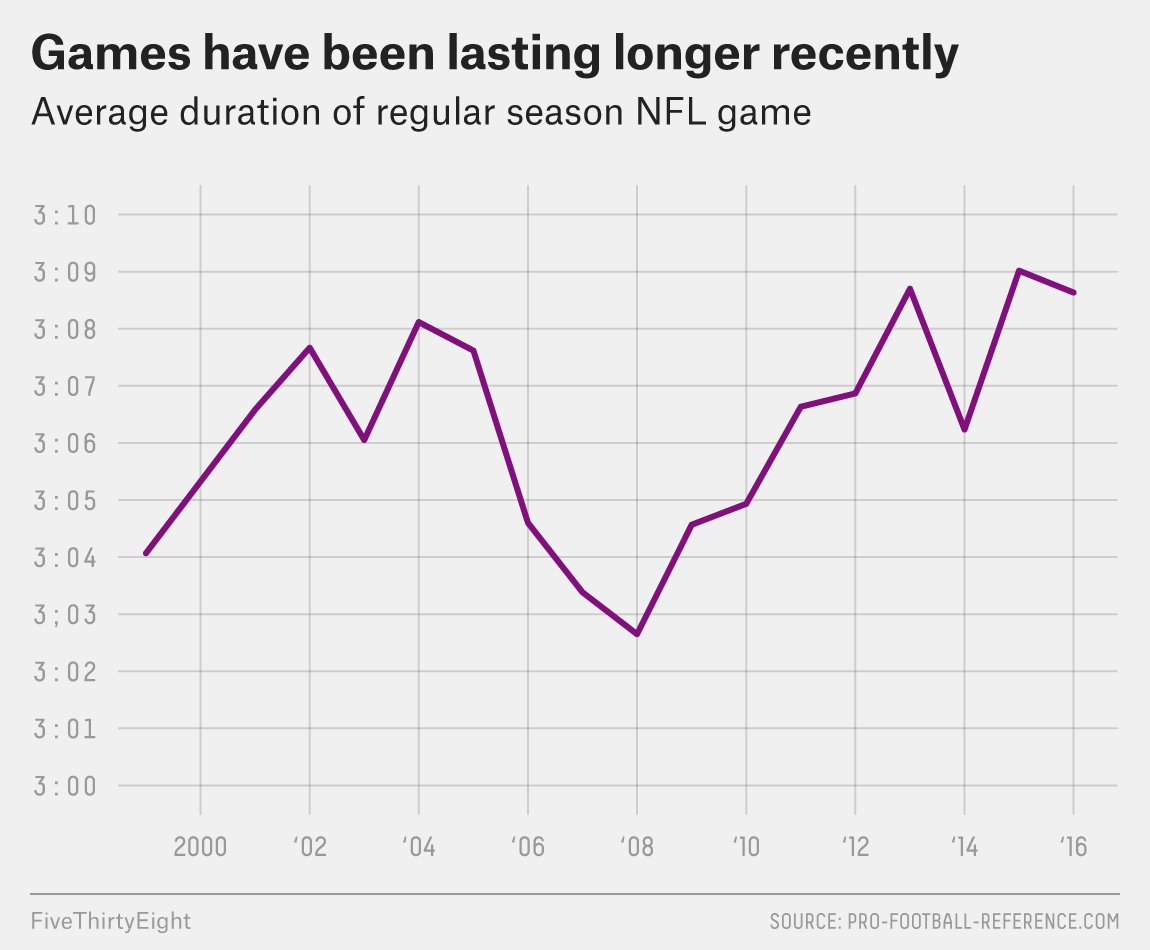
The average NFL game lasts approximately 3 hours.
Ever wondered exactly how long you’re committing to when you settle in for some football? It’s a common question that pops up – how long is an average nfl game? Planning your day around a game can be tricky if you don’t have a clear time frame in mind.
We often think of the action on the field, but a lot more goes into that 3 hour span. From halftime shows to commercial breaks, there’s quite a bit included in that total time. Let’s look into the details.

How Long Is an Average NFL Game?
Ever wondered just how much time you’re investing when you settle in to watch a professional football game? It’s a common question, and the answer isn’t quite as simple as saying “three hours.” While a typical NFL game is scheduled for around three hours, the actual time it takes from kickoff to the final whistle can vary quite a bit. Let’s dive into all the factors that contribute to the total length of an NFL game.
The Basic Structure of an NFL Game
To understand why the game length varies, we need to first understand the basic structure of a standard NFL game. There are four 15-minute quarters in a game, that sounds straightforward, doesn’t it? So, you might think it’s just 60 minutes of play time. However, that 60 minutes only accounts for the time that the ball is actively in play, there’s lot of action that happens besides that. The real game clock doesn’t follow the actual game time. Many things that happen that pause the clock make it longer than 60 minutes, lets examine them below.
Halftime and Timeouts
Before we get into the action, consider these two major factors that add to the game’s total length:
- Halftime: There’s a break between the second and third quarters that is typically 12 to 15 minutes. This is when the teams head to their locker rooms to regroup and strategize for the second half. It’s a good time to grab a snack or visit the restroom while watching the game from the comfort of your own home.
- Timeouts: Each team has three timeouts per half. These are used to stop the clock for strategic reasons, whether it’s to discuss a play, slow down the opposing team, or have a short breather on the field. These timeouts add to the total game time.
The Actual Playing Time
The actual action on the field is what the fans are waiting for. There are different events that happen during the game that stop the game clock. Here are a few that can make the game longer.
- Incomplete Passes: When a pass is thrown and the receiver doesn’t catch the ball, the clock stops until the next play starts.
- Out-of-Bounds Plays: If a player carrying the ball steps out of the playing field, the clock stops.
- Penalties: When there’s a penalty, the clock stops while the referees sort things out. Sometimes, that takes some time.
- Injuries: If a player gets hurt on the field, the clock stops while medical staff attend to them. Player safety is always the most important thing.
All of these situations cause the clock to stop, and collectively this can make the game length significantly longer than the 60 minutes of play time. It’s important to keep in mind that these stoppages are part of the game and what makes it so exciting and sometimes unpredictable.
Why Games Can Vary in Length
Now that you know the basic structure, let’s talk about what can cause a game to be shorter or longer than average. Several factors can impact how long an NFL game is.
The Number of Scoring Plays
Scoring plays can add time to a game. Every time a team scores a touchdown or field goal, there is a short break for the extra point or field goal kick and then kickoff. The celebrations that follow sometimes add a few extra seconds too. More touchdowns mean more breaks and more game time. A game with lots of scoring will probably be longer than one with fewer scores. Consider the scenario if a team has a blowout, they can also run the ball during the second half and run out the clock to save time as well.
The Pace of the Game
The style of play can also affect the game’s length. Some teams like to run the ball a lot, which can make the clock move quickly since the clock doesn’t stop after each play like it does when there are incomplete passes or out of bounds. Teams that pass the ball more, on the other hand, might have more incomplete passes, causing the clock to stop frequently. This back and forth style will add up in the overall game time.
Reviewing Plays
Instant replay is a great feature to help officials correct their on-field decisions. When a coach challenges a play, or when the referees initiate a replay review, the clock stops. Watching a play replay a couple of times does take a few minutes of the game clock, but the process helps to make sure the calls are correct. So a game with lots of challenged plays will be a bit longer than a game with no replays.
Overtime
When a game is tied at the end of the four quarters, teams enter into overtime to decide a winner. The NFL overtime rules are different than they used to be. In regular season games, there is a maximum of a ten minute period in overtime. If a touchdown is scored the game ends and the team that scored the touchdown wins. If a field goal is made, then the opposing team gets possession of the ball. If neither team scores, the game ends in a tie. Overtime can add as much as another ten minutes to the game, if both teams score touchdowns or have multiple field goals. This can mean a game lasting beyond the typical three hours.
In playoff games, overtime is different. The team that wins the toss of a coin and possession will keep the ball until they either score a touchdown or until the opposing team takes the ball after a punt or interception. The game continues until one team has more points than the other.
Average Game Time and What To Expect
While we’ve talked about different factors influencing game length, let’s get to the actual average time of an NFL game. Typically, an NFL game lasts around 3 hours and 12 minutes. This is an average, and as we’ve discussed, games can be shorter or longer based on several reasons. For the average watcher, it’s safe to assume you will be watching for at least three hours for the full game experience. Be prepared for games to be slightly longer if there are multiple reviews, scores or injuries to players on the field.
It’s important to note that the actual playing time on the field is only 60 minutes, but with all the pauses, it almost triples the time spent for fans watching on the TV.
How Game Length Affects Viewing
Knowing the game length can be helpful as you plan your Sunday. It helps to know you’ll be spending more than just 60 minutes in front of the television. You may need to arrange your schedules around the games as they can take up a good chunk of the day. If you have children or busy schedules, knowing the approximate time of games can help you plan out your days effectively and manage expectations.
The Impact of Different Broadcasts
Sometimes, the network broadcasting the game can also affect the total time. For nationally televised games, the networks might have more commercials or pregame and postgame analysis, which increases the overall time you spend watching. These factors are not part of the actual game itself but affect the total television viewing experience. Sometimes, a game might be slightly longer or shorter because of these elements.
Quick Rundown: Factors Affecting NFL Game Length
Let’s recap what makes NFL game lengths vary:
- Scoring plays: more touchdowns, more breaks, longer game.
- Game Pace: more run plays can shorten game length, more passes can add to the length.
- Replay Reviews: Challenges and reviews can add several minutes to the game.
- Overtime: can add an extra 10 minutes or more during the regular season.
- Injuries: Any injury that happens will halt the clock while the player receives medical attention.
- Commercial Breaks: Broadcasts add commercial time, pregame and postgame shows, which can extend the overall viewing time.
Historical Context
The length of NFL games hasn’t always been the same. There have been rule changes over the years that have adjusted the game time, sometimes even adding more breaks for commercials. Over time, the league has evolved, and the game length has also been impacted by these changes. If you watch a game from many years ago, it is likely to be shorter as less commercials were shown, and rules were also different. These alterations have shaped the game to what it is today, which is a complex balance of exciting play and broadcast revenue.
The Future of Game Length
It’s possible that the length of the games might change slightly in the future. The NFL is constantly considering different ways to make the game more exciting for the fans while keeping player safety as a top priority. It’s hard to say exactly what changes they will make, but it’s something to keep an eye on if you want to be on top of how long games are. They can always tweak things to add or subtract a couple of minutes in the future.
So, to sum it up, while the typical NFL game is planned for three hours, the actual time from start to finish is around 3 hours and 12 minutes. However, there are several factors at play which can shorten or extend that time. Knowing what to expect can certainly help you plan your Sundays!
How Long Is The Average NFL Career? – The Football Xpert
Final Thoughts
An average NFL game typically lasts about three hours. This includes stoppages for play reviews, timeouts, and of course, halftime. Various factors can influence the actual length, such as numerous scoring drives or injuries.
While three hours represents the norm, some games can conclude a bit quicker or even go longer. Therefore, when someone asks, “how long is an average nfl game”, the expected answer is around the three-hour mark. The timing is still crucial for planning your Sunday.

