
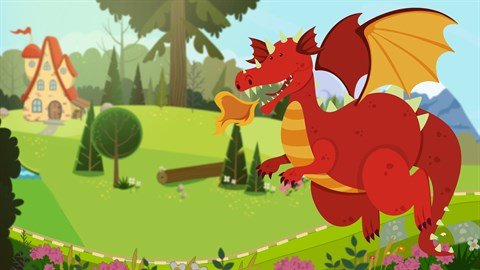
Xbox educational games for kids provide a fun way to learn, covering subjects like math, reading, and problem-solving through engaging gameplay.
Want to make learning fun for your children? Xbox educational games for kids offer interactive and entertaining ways for them to develop essential skills. These games make learning enjoyable and accessible, rather than feeling like a chore.
They range from simple math games to complex puzzle adventures, many designed to specifically cater to different age groups. So, your kids can learn and develop skills while having fun with their favorite gaming console.

Xbox Educational Games for Kids: Learning Through Play
Video games aren’t just about racing cars and saving princesses anymore. They’ve grown into amazing tools for learning, especially for kids. The Xbox, known for its exciting action games, also offers a fantastic selection of educational games. These games can make learning fun and engaging, helping kids develop important skills without even realizing they’re studying. Think of it as sneaking veggies into their favorite meal – they get the good stuff, and they enjoy it! So, let’s dive into the world of Xbox educational games and see what kind of learning adventures await.
Why Choose Xbox for Educational Games?
You might be wondering, “Why the Xbox? Aren’t other platforms better for learning?” Well, the Xbox has several advantages when it comes to educational games:
Familiarity and Engagement
Many kids are already familiar with the Xbox controllers and interface. This means there’s less of a learning curve to navigate the game itself and more focus on the educational content. Plus, the exciting graphics and gameplay design, that Xbox is known for, easily hold kids’ attention. This can be a welcome change from traditional textbook-based learning.
Variety of Game Types
The Xbox game library includes a wide range of educational genres, catering to different learning styles and interests. Whether your child loves puzzles, adventures, or building simulations, there’s likely an educational game on Xbox that aligns with their interests. This diversity keeps learning exciting and prevents boredom.
Social Interaction (Multiplayer)
Some educational Xbox games have multiplayer options, allowing kids to learn and collaborate with friends or family. This adds a social element to learning that can make it even more enjoyable and rewarding. Learning with others also encourages teamwork and communication skills.
Types of Educational Games on Xbox
The educational game offerings on Xbox are surprisingly diverse. Here are some popular categories:
Math Games
These games make learning math fun and interactive. They often involve puzzles, problem-solving, and even adventure elements, all designed to reinforce mathematical concepts. These kinds of games can help kids with:
- Basic arithmetic (addition, subtraction, multiplication, division)
- Geometry
- Fractions
- Problem-solving
- Logical thinking
A child might find themselves calculating the correct number of building blocks to complete a structure in a building game, or using their addition skills to combine resources to craft a tool. This kind of hands-on application makes math far more engaging than just completing worksheets.
Reading and Language Arts Games
These games help kids improve their reading, writing, and overall language skills. They often involve storytelling, puzzles, and word-based challenges. Such games help kids to:
- Expand vocabulary
- Improve grammar
- Enhance reading comprehension
- Develop storytelling abilities
A reading game might have the child act out the story, learning new words along the way. Alternatively, word puzzle games can help them expand their vocabulary in a fun way. These games make learning language an interactive adventure, instead of a chore.
Science Games
Science games introduce kids to the wonders of the natural world through interactive simulations and experiments. They often cover topics such as:
- Biology
- Physics
- Chemistry
- Astronomy
Kids might be able to design and build their own rockets, explore different ecosystems, or even conduct virtual science experiments. This hands-on learning approach makes abstract concepts more concrete and easy to grasp.
Puzzle and Logic Games
These games challenge kids’ minds, encouraging them to think critically and solve complex puzzles. They’re great for developing:
- Problem-solving skills
- Logical reasoning
- Spatial awareness
- Critical thinking
A game might ask a child to navigate a maze, solve a series of riddles, or use logic to build a structure. All of these exercises sharpen the mind and enhance decision-making abilities.
Creative Games
Creative games allow children to express their creativity through building, designing, and creating virtual worlds. Such games improve:
- Imagination
- Creative thinking
- Problem-solving skills
- Spatial reasoning
Whether they’re building a castle, designing a city, or creating artwork, these games provide an outlet for their imagination and self-expression, fostering a sense of accomplishment.
Top Xbox Educational Game Recommendations
With so many choices, it can be tricky to know where to start. Here are some popular educational Xbox games that are worth exploring.
Minecraft: Education Edition
Key Learning Areas: Creativity, Problem Solving, Coding, Collaboration
Minecraft is a worldwide sensation. The Education Edition specifically has lessons, challenges, and environments built to support educational goals. Kids can collaborate to solve problems, design structures, explore different subjects through themed worlds, and even learn basic coding. The open-ended format helps foster creativity and problem-solving abilities, making this a popular choice among parents and educators.
Why it’s great:
- Highly engaging, adaptable to various topics, fosters collaboration, provides creative freedom.
National Geographic Animal Jam
Key Learning Areas: Biology, Geography, Animal Science, Social Interaction
This game lets kids explore the natural world as their chosen animal avatar. They can play in many different environments, learn about real-world animals, and socialize with other players in a safe, educational space. Animal Jam blends fun gameplay with lots of cool facts about animals, biology, and environments. It’s great for kids who love learning about animals and science.
Why it’s great:
- Engaging virtual world, lots of information about animals and biology, safe social platform.
Sid Meier’s Civilization VI
Key Learning Areas: History, Strategy, Resource Management, Problem Solving
While it might seem advanced, Civilization VI can be a fantastic learning tool for older kids. It tasks players with building a civilization from the ground up, guiding them through various historical eras and challenges. This requires strategy, resource management, and problem-solving, helping kids understand the complexities of historical development. Players learn to consider the impact of their choices on the progression of their civilization, promoting critical thinking and strategy.
Why it’s great:
- Teaches history through gameplay, develops strategic planning skills, fosters resource management, provides insight into historical events.
Portal 2
Key Learning Areas: Physics, Problem-solving, Logic, Spatial Reasoning
Portal 2 is a puzzle game that cleverly teaches physics concepts through gameplay. Players use a portal gun to navigate levels, moving objects and solving complex puzzles. While it doesn’t explicitly teach science facts, it helps kids learn by actually doing. This is a great game for kids who like challenges.
Why it’s great:
- Engaging puzzle game, introduces physics concepts through puzzles, promotes logical thinking, enhances problem-solving capabilities.
Kerbal Space Program
Key Learning Areas: Physics, Engineering, Problem Solving, Space Science
In Kerbal Space Program, kids design, build, and launch rockets and spacecraft. This game requires an understanding of physics, engineering principles, and problem solving. While it has a lot of complex elements, kids will be able to learn through trial and error as they work their way through the different challenges. This game is great for older kids who are interested in space.
Why it’s great:
- Engaging rocket-building gameplay, uses real physics concepts, fosters problem solving, explores space science.
Human Fall Flat
Key Learning Areas: Problem-solving, Physics, Creativity, Collaboration
While not explicitly educational, Human Fall Flat is excellent for developing critical thinking and problem-solving skills. The game features wobbly, physics-based characters that need to navigate bizarre environments. Figuring out how to overcome each obstacle requires creativity, strategy, and lots of laughs. It’s a great option for collaborative learning, as players can work together to conquer the levels.
Why it’s great:
- Promotes problem-solving in a fun way, teaches about physics through gameplay, encourages collaborative play, is a creative outlet.
Making the Most of Educational Games
Just buying an educational game isn’t enough. Here’s how you can make the most of these games for your child’s learning:
Play Together
Get involved! Play the games with your child. It’s a great way to bond and learn together. You can also help them with tricky parts, discuss what they’re learning, and get into the world of the game as well. Playing with your child can help improve their engagement and understanding.
Ask Questions
Ask questions about the game. “What did you learn today?” “How did you solve that puzzle?” “What was your favorite part?” These questions can help your child think more deeply about the content and improve their ability to articulate their thoughts. It’s not just about playing; it’s about learning to think critically and reflect on the experience.
Set Time Limits
While educational games are great, balance is important. Set time limits to ensure that gaming doesn’t interfere with other important activities, like homework or physical activity. Keeping a healthy balance is vital for your child’s development and helps prevent gaming from consuming too much of their time.
Explore Different Games
Don’t stick to just one game. Explore different educational games to expose your child to a variety of topics and learning styles. This will keep them engaged and allow them to discover new things they might not have known they were interested in. The more variety they experience, the more well-rounded their learning will become.
Connect to Real World
Relate the games to real-world scenarios. For example, if they’re playing a game about animals, take a trip to the zoo. Or if they are playing a game about history, find books or documentaries about the same topic. This can help them connect what they are learning in the game to what they see in the real world, making the lessons more meaningful.
Choosing the Right Games
When picking educational games for your child, consider the following factors:
Age Appropriateness
Make sure the game is appropriate for your child’s age and developmental stage. A game that’s too difficult can be frustrating, while one that’s too easy might not hold their interest. Look for age recommendations on the game packaging and reviews from other parents.
Learning Goals
Think about what skills you want your child to develop. Do you want them to improve their math skills, learn more about science, or enhance their creative thinking? Select games that specifically target these learning objectives.
Child’s Interests
Choose games that align with your child’s interests. If they love animals, look for science games about wildlife. If they love building, select games with construction or creative elements. This makes learning more engaging for your child and increases the chances they’ll stick with the game.
Reviews and Ratings
Take the time to read reviews and ratings before buying a game. This will give you an idea of other parents’ experiences, helping you make more informed decisions.
Try Demos
Many games have demos available. Try those first to see if the game is a good fit for your child before buying the full version. This helps you avoid investing in a game your child might not like and allows them to experience the game before committing to it.
Xbox educational games provide a fantastic way to blend learning and entertainment. By carefully selecting and incorporating these games into your child’s playtime, you can help them develop important skills and a lifelong love of learning. With the right approach, video games can be a powerful tool for your child’s growth and development.
Best XBox Games For Kids
Final Thoughts
Xbox provides numerous educational games for kids, blending fun with learning. These games cover subjects like math, reading, and science. Children can improve their skills while playing engaging adventures.
Many titles offer interactive experiences, making learning feel like a game. The console provides a great way to develop new knowledge. Xbox educational games for kids are an option for combining play with skill building.

