
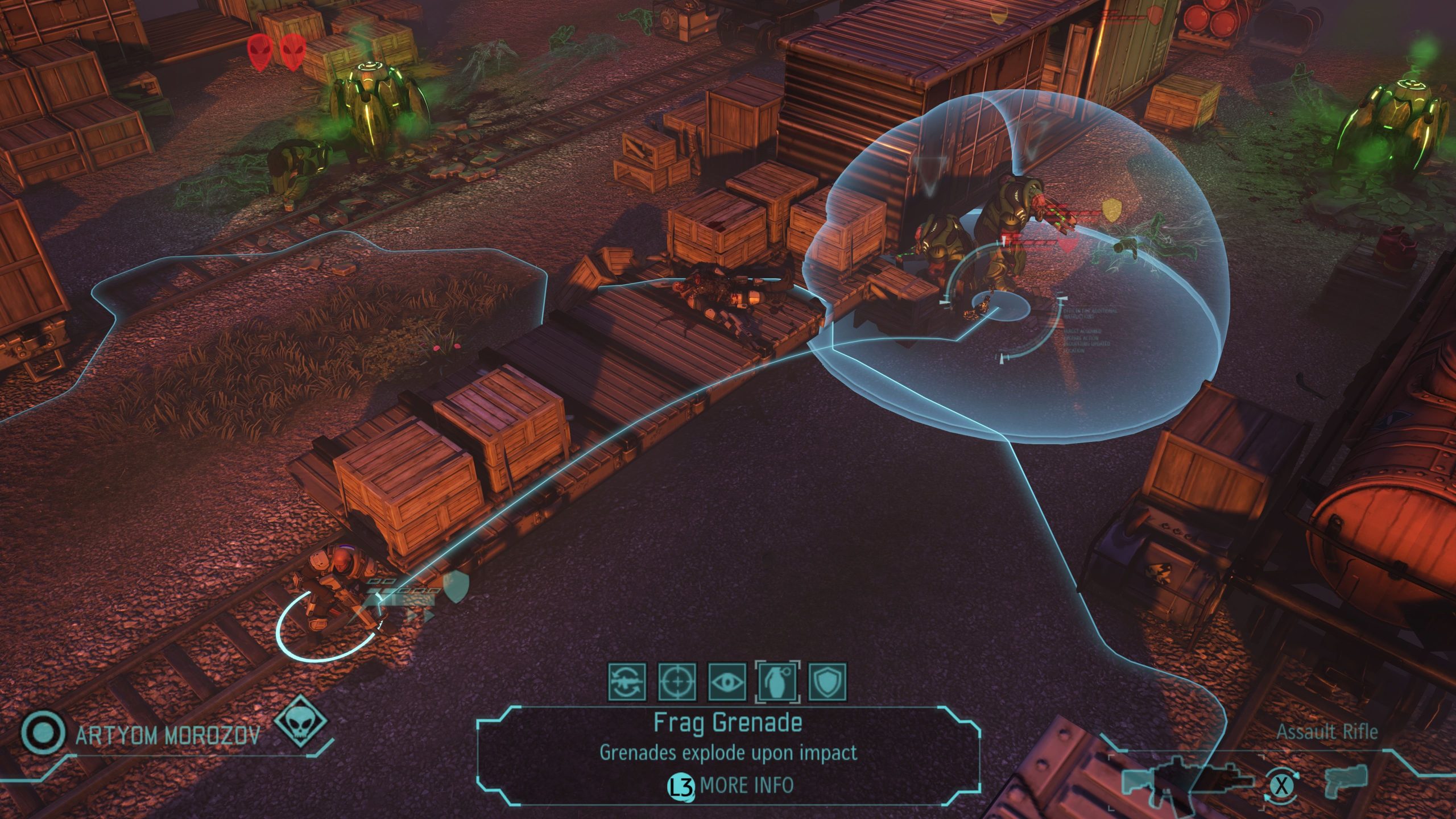
Turn based games are games where players take distinct turns to perform actions, rather than acting simultaneously.
Ever found yourself strategizing your next move in a board game? Or maybe patiently waiting for your opponent to finish their actions in a video game? Then you have experienced the heart of what are turn based games. These types of games provide a focused approach to gameplay. They give players a defined time to think.
The core mechanic revolves around discrete turns. Each player has their opportunity to make decisions. This contrasts with real-time games, where action happens continuously. Turn based games often reward careful planning and tactical thinking.

What Are Turn-Based Games?
Ever played a board game like checkers or chess? Well, turn-based games are kind of like that, but often on your computer, phone, or game console! Instead of everyone playing at the same time, players take turns. It’s like taking your time to make a good plan, and then watching it unfold. In turn based gaming, the game waits for you to make a move before continuing. It’s a core concept in video game genres like strategy games, RPGs (Role Playing Games), and even some puzzle games.
The Core Idea: Taking Your Time
The biggest thing about turn-based games is that they let you think. There’s no rush to make decisions, unlike action games where you have to react super fast. In turn-based games, you get to really look at the situation, see all your options, and choose the best move. This makes them great for players who like to plan ahead and think strategically. They’re also great for people who want to play at a slower pace, maybe even while relaxing on the couch.
Key Characteristics of Turn-Based Games
Let’s dive a little deeper and look at what makes turn-based games stand out:
- Sequential Turns: This is the main point. One player or team goes at a time, then the next, and so on. This is different from real-time games where everyone plays simultaneously.
- Strategic Gameplay: Because you have time to think, these games often involve more strategy. You need to plan your moves carefully to outsmart your opponent or overcome challenges.
- Calculated Risks: You can often see the possible results of your actions. This lets you weigh the risks and rewards before making a move.
- Patience and Deliberation: Turn-based games encourage patience. You can take your time to analyze the situation and make the best decision, without needing quick reflexes.
Turn-Based Games vs. Real-Time Games
It’s easy to get turn-based games confused with real-time games. In real-time games, like many fighting games or racing games, you’re playing at the same time as other players or the computer. You need to make fast decisions and react quickly. Let’s break down the main differences:
| Feature | Turn-Based Games | Real-Time Games |
|---|---|---|
| Timing | Players take turns | Players act simultaneously |
| Decision-Making | Emphasizes planning and strategy | Focuses on quick reactions and adaptability |
| Pace | Generally slower-paced | Generally faster-paced |
| Required Skills | Strategy, planning, and patience | Quick reflexes, hand-eye coordination, and adaptability |
Popular Types of Turn-Based Games
Turn based mechanics are used across a variety of video game genres, let’s take a look at some popular categories and examples
Turn-Based Strategy Games
These games are all about planning, managing resources, and using your units wisely. You often control armies or civilizations and try to outwit your opponents through strategic thinking, good use of terrain, and good management. Here are some elements we see in the strategy genre:
- Resource Management: Collecting and spending resources like gold, lumber, or energy is often important.
- Unit Control: You control groups of soldiers, vehicles, or other units.
- Map Navigation: Moving units around a map strategically is key to victory.
- Tactical Combat: Battles often involve careful planning and execution.
Examples: Civilization series, XCOM series, Fire Emblem series.
Turn-Based Role-Playing Games (RPGs)
In turn-based RPGs, you control a party of characters, often in a fantasy world. Battles are fought in turns, giving you time to plan your attacks, use magic spells, and heal your characters. Here is what makes them unique:
- Character Progression: Your characters get stronger and learn new abilities as you play.
- Story-Driven: Turn based RPGs usually tell great stories and have interesting characters.
- Strategic Combat: You need to think carefully about your actions in battles.
- Exploration: You will often explore and travel in a world filled with quests.
Examples: Final Fantasy series, Persona series, Divinity: Original Sin series.
Turn-Based Puzzle Games
You might not think of puzzles as turn-based, but many puzzle games have turn-based mechanics. In these games, you move blocks, characters, or other elements one step at a time, figuring out the best way to solve the puzzle. Here are some typical features:
- Solving Challenges: The game is all about solving the puzzle.
- Step-by-Step: You move items in the game one step at a time.
- Planning Ahead: You must think ahead about the best sequence of moves to make.
- Limited Moves: Some of these games will even give a certain amount of moves to solve a puzzle.
Examples: Into the Breach, Baba Is You, many chess puzzle apps.
Turn-Based Card Games
Often a blend of card gaming and strategic thinking, these games involve building decks and making carefully selected card plays each turn. Here are some aspects:
- Deckbuilding: The game involves curating a deck of cards with different abilities.
- Resource Management: You will often spend resources in the game to use cards.
- Strategic Plays: Card plays require careful planning to form strong combinations and counter opponents
- Various Thematic Elements: Games can be fantasy-themed or involve other thematic elements
Examples: Slay the Spire, Hearthstone, Magic: The Gathering Arena.
Turn Based Board Games (Digital Adaptations)
Many classic board games have digital versions that use turn-based systems and are more popular than ever. These offer the familiar gameplay of board games with a modern feel. Here are some traits:
- Classic Rulesets: They often stick to the familiar rules of the physical board games.
- Multiplayer Options: Play with friends or other players online.
- User-Friendly: Digital versions often have clean interfaces and easier to navigate interfaces
- Various Enhancements: Digital adaptations can include additional elements, such as achievements or ranked play.
Examples: Ticket to Ride, Carcassonne, Settlers of Catan
Why People Enjoy Turn-Based Games
So, why are these games so popular? There are many reasons! Many players love the strategic and thoughtful nature of turn-based games. Here’s why they appeal to many:
- Relaxing Pace: You can take your time and think. They’re not as stressful as fast-paced games.
- Deep Strategy: These games encourage you to plan ahead and think critically.
- Accessibility: Turn-based games are often easier to learn than complex action games.
- Rewarding Gameplay: It’s very satisfying to come up with a winning strategy and see it work out.
- Playing while Listening to Podcasts: Due to the turn-based nature, some players like to have podcasts in the background and enjoy a slower paced game.
Turn-Based Games For Beginners
If you are new to turn-based games, there are some fantastic options to try out to start learning the style of play. Here are some beginner friendly options:
- Mario + Rabbids Kingdom Battle: A light hearted, beginner friendly strategy game from Nintendo
- Pokemon series: This franchise is perfect for new players to try an RPG and can be enjoyed by all ages.
- Into the Breach: A smaller puzzle game that is easy to learn but difficult to master.
- Civilization VI: A good entry point into the genre of 4X strategy games.
- Hearthstone: A great way to experience card game mechanics.
Advanced Concepts in Turn-Based Games
Once you have mastered the fundamentals, there are some advanced concepts that can elevate your understanding. Here are some of them:
- Action Points/Movement Points: These limit the number of things you can do in a turn.
- Status Effects: Effects that impact game characters, such as poison, stun, or healing.
- Positioning: The placement of your units on the map can make a big difference.
- Synergies: The way different units, cards or characters work well together.
Turn-based games offer a different kind of fun. They allow you to think strategically, plan carefully, and appreciate the satisfaction of seeing your plans come to life. Whether you enjoy complex strategy games, engaging RPGs, or solving mind bending puzzles, turn-based games have something for everyone.
15 Turn-Based RPGs You NEED to Add to Your Game Library
Final Thoughts
Turn-based games provide a strategic approach to gameplay. Players take distinct turns to act, planning their moves deliberately. This contrasts with real-time games’ constant action.
Essentially, what are turn based games? They are games where the action pauses between player choices. This allows for thoughtful planning and tactical depth, which is a key aspect of the experience.

