
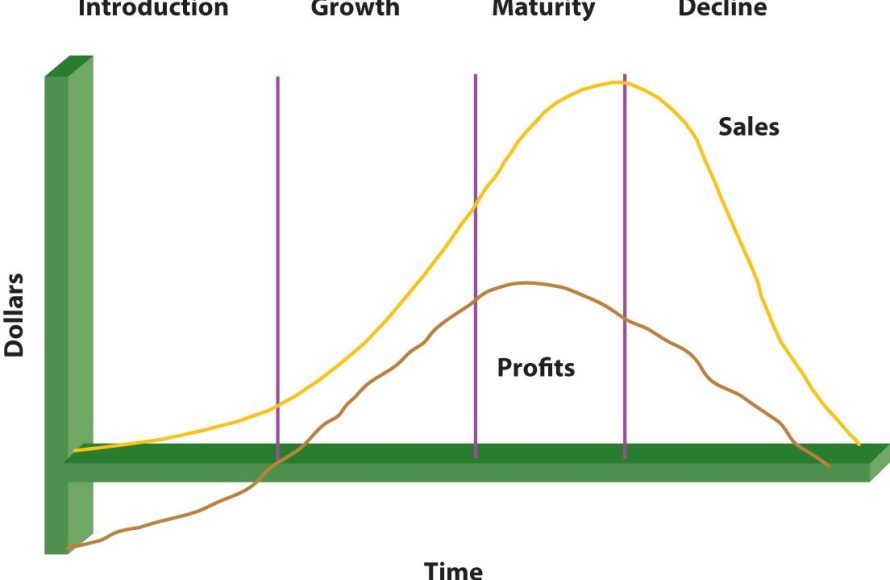
Xbox product lifecycle management encompasses all stages from concept to end-of-life, guiding the console’s development, marketing, sales, and eventual replacement.
Ever wondered how Xbox consoles come to be, evolve, and eventually get superseded by new generations? It’s not just a random process. Careful planning and execution occur through Xbox product lifecycle management, which dictates each phase.
This crucial process guides everything, from initial ideas to a product reaching its final stage. It includes strategizing for development, handling marketing, tracking sales and planning for a product’s replacement.

Xbox Product Lifecycle Management
Let’s dive deep into the exciting world of how Xbox consoles come to be, stick around, and eventually make way for newer models. This process is called product lifecycle management, or PLM for short. Think of it like the journey of a video game character, from being just an idea to becoming a legend, and finally, fading into the mists of time (or, you know, getting replaced by something shinier!). For Xbox, it’s a complex dance of planning, building, selling, and supporting. It’s not just about creating cool games, it’s about managing the whole Xbox experience from start to finish.
The Conception Stage: Ideas and Innovation
Everything starts with a spark! At the very beginning of the Xbox product lifecycle, the team at Microsoft brainstorms. They ask big questions like, “What do gamers want?”, “What can we do better?”, and “What exciting new technology is coming?”. They research trends in gaming, look at what their competitors are doing, and think about what the future of entertainment might look like. This stage is all about dreaming up the next big thing. It’s a mix of creativity and careful planning, like designing a brand new spaceship for an epic space adventure. Here’s a more detailed look at what happens during this critical phase:
Market Research and Analysis
Before they even think about designing a new Xbox, the team does a lot of homework. They study the market very carefully. This means:
- Looking at sales data: How well is the current Xbox selling? Which games are popular? Which accessories are people buying? This helps them see what’s working and what isn’t.
- Analyzing customer feedback: What are people saying online? What do they like or dislike about the current console? They pay attention to what gamers are talking about on forums, social media, and in reviews.
- Checking out what other companies are doing: They keep an eye on their competition. What are they working on? What new technologies are they using? They want to stay ahead of the game.
- Predicting future trends: They think about where the gaming world is going. Are people more interested in online play? Are virtual reality headsets going to be the next big thing?
Defining the Product Vision
Once they have all this information, the team comes together to create a vision for the next Xbox. This is like writing the story outline for a book or movie. They figure out:
- Target audience: Who are they building this new Xbox for? Are they trying to reach families? Serious gamers? A bit of everyone?
- Key features: What new and exciting things will this Xbox do? Will it have better graphics? Faster loading times? New ways to play with friends?
- Core values: What does the Xbox brand stand for? How do they want gamers to feel when they use their console?
Feasibility Studies
Having a fantastic idea is great, but it must be possible to build it! The team investigates:
- Technical feasibility: Can they actually create the features they want with the technology available? What are the challenges they might face?
- Cost analysis: How much will it cost to design and build this new Xbox? How much will they sell it for? They need to make sure it’s a product people can afford and that the business can make a profit.
- Legal and regulatory: Are there any laws or regulations they need to consider? This is important to make sure the console is safe and can be sold in different countries.
The Development Phase: Building the Dream
With a clear vision in place, the actual building begins! This is where engineers and designers get to work, like skilled builders putting together the pieces of a magnificent castle. This stage involves a lot of technical work, testing, and adjusting to make sure the final product is the best it can be.
Engineering and Design
This is where the new Xbox takes shape. The engineers and designers create:
- Hardware design: This includes choosing the internal parts like the processor, memory, and storage. They want to make sure the console is fast and powerful.
- Software design: This is the operating system that runs the console. It needs to be easy to use and provide a smooth gaming experience.
- Industrial design: How will the console look? The team creates the physical design, thinking about how it will feel to hold and fit into a home. They’ll even decide on the size, shape, and colors.
- Prototyping: They build working models (prototypes) of the console to test if their designs work in the real world. This step is crucial to finding any issues early.
Software Development
Developing the software is as important as the physical console itself. It’s like the brain and nervous system of the Xbox. This includes:
- Operating System (OS): They create the core software that lets everything else run smoothly.
- User Interface (UI): They make the screens and menus that you use to navigate the console. It needs to be clear and simple.
- Application Programming Interfaces (APIs): This helps programmers create games that work well with the Xbox.
Testing and Refinement
Before any new console is released, it has to go through a lot of testing. Think of this like a video game beta, where a game is played to find the glitches and bugs. Testing makes sure everything works perfectly. This involves:
- Performance testing: How fast does the console run games? Does it get too hot?
- Compatibility testing: Do games from previous Xbox consoles work? Do all the controllers and accessories work well?
- User testing: They bring in real gamers to play and give feedback. This helps find any problems that the designers may have missed.
The Introduction Stage: Launching into the World
Finally, the big day arrives! The Xbox is ready to be introduced to the world. This stage is all about making a splash and getting the new console into the hands of excited gamers.
Marketing and Promotion
This is where all the fun begins. The marketing team builds excitement through:
- Advertising: Creating commercials for TV, the internet, and magazines to show off all the great features of the new console.
- Public Relations: Sharing news with journalists and websites to generate positive buzz and excitement.
- Social Media: Connecting directly with gamers on social media platforms like Twitter, Instagram, and Facebook.
- Launch Events: Holding parties and events to mark the official release of the new console.
Distribution and Sales
Getting the Xbox from the factory to stores and then into the homes of players involves:
- Manufacturing: Producing the console in large quantities to meet the expected demand.
- Supply chain management: Making sure there are enough consoles and accessories in stock at the right places.
- Retail partnerships: Working with stores (both online and brick-and-mortar) to sell the new Xbox.
The Growth Stage: Expanding and Improving
Once the Xbox is out in the world, the work isn’t over! This stage is about continuing to improve the experience and make sure the console stays popular. It’s like keeping a plant healthy and strong by giving it water and sunlight. The key elements here are:
Software Updates and Patches
Just like your phone gets updates, the Xbox gets them too! This includes:
- Bug fixes: Fixing any issues or glitches that players might find.
- Feature additions: Adding new features or improvements to the console’s software.
- Security updates: Protecting players from threats.
Game Development and Support
Games are a key part of the Xbox experience! This stage involves:
- Creating new games: Developing new and exciting titles to keep players entertained.
- Providing support for developers: Helping game developers make their games run smoothly on the Xbox.
- Supporting online services: Making sure Xbox Live (or Xbox Network as its known now) is working well and providing online play and services to gamers.
Community Engagement
The Xbox team cares about its fans! This stage includes:
- Listening to feedback: Paying attention to what gamers are saying and using that information to improve the console and services.
- Running events and tournaments: Creating opportunities for gamers to come together and celebrate their love for Xbox games.
- Interacting on social media: Talking with fans directly on social media platforms.
The Maturity Stage: Stable and Reliable
As the Xbox gets older, it reaches a stage of maturity. This means it’s become stable, well-known, and has a solid following. It’s like a beloved book that you keep coming back to. At this stage, the focus shifts to maintaining the product and keeping players engaged. Here’s a breakdown of what happens during this time:
Sustained Sales and Support
The console might not be selling as many units as when it first launched, but it still has a loyal fan base. Focus at this point is on:
- Consistent sales: Ensuring the console is still available for purchase and that there are plenty of games to go along with it.
- Ongoing support: Providing help for players who need it and making sure the console keeps running smoothly.
- Accessory sales: Encouraging gamers to buy accessories, like controllers, headsets, and storage expansions.
Limited Feature Development
At this stage, major updates and feature additions are usually less common, but you may still see:
- Small software tweaks: Minor fixes and improvements to keep things running optimally.
- Security patches: Continuing to protect users from security threats and vulnerabilities.
Focus on Established Content
The focus shifts towards the existing catalog of games and online experiences, such as:
- Maintaining game libraries: Keeping the back catalog of older titles available.
- Supporting online communities: Continuing to provide services for players who enjoy online multiplayer experiences.
The Decline Stage: Preparing for the Next Generation
Eventually, all good things must come to an end. The Xbox enters the decline stage, where sales start to drop, and the company begins to think about the next big console. This doesn’t mean it stops working completely, but it’s like the sun setting at the end of a beautiful day. It’s time to prepare for something new and exciting. Here’s how the final phase plays out:
Reduced Marketing and Sales
The excitement has faded and the focus starts shifting towards the future and new projects, resulting in:
- Lower advertising spending: Less money is spent on marketing and promotion for the current console.
- Focus on clearing out inventory: Reducing the number of consoles and accessories in stores, perhaps by offering discounts.
Limited Support and Updates
As they’re focusing on new projects, the support for the aging console may reduce, such as:
- Reduced software updates: Fewer updates are released.
- End of production: Manufacturing of the console and its accessories will eventually cease.
Transition to the New Generation
The decline stage sets the stage for a new generation of consoles and technology. Focus shifts to:
- Preparing the launch of new systems: Microsoft now directs its energy and resources to the next Xbox console in the line.
- Promoting the new platform: The marketing and sales teams focus their efforts on making sure the new generation of consoles is successful.
The lifespan of an Xbox console is a detailed process. From the first idea to the last sale, every step is carefully planned. This ensures that gamers can play fantastic games and have great gaming experiences. Think of it like a carefully orchestrated dance, where different teams work together to bring joy to players all around the world.
Product lifecycle management is about more than just making and selling a product; it is a continuous cycle of learning, growing, and adapting to meet the ever-changing needs and wants of gamers. The whole journey of an Xbox, from the drawing board to the living room, is a story of innovation, planning, and a passion for video games.
Simon Floyd on the Siemens PLM and Microsoft Partnership
Final Thoughts
Effective Xbox product lifecycle management requires careful planning and execution. It involves stages from concept to retirement, focusing on customer needs and market trends. Continuous improvement and adaptation are vital throughout this process.
This ensures Xbox stays relevant and competitive. A well-managed lifecycle maximizes the product’s value and longevity. Xbox product lifecycle management is crucial for continued success.

