
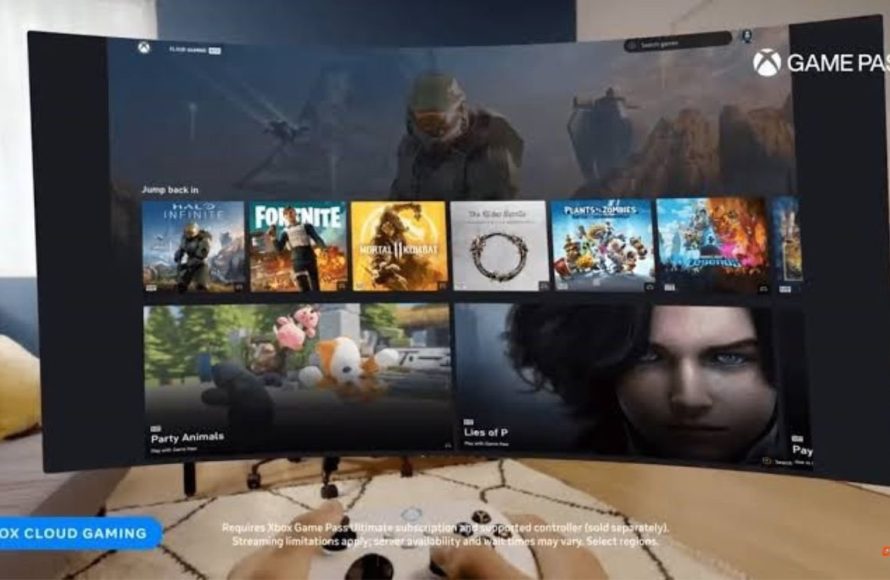
Xbox virtual reality integration remains absent; Microsoft has no current plans to introduce dedicated VR support for the console.
Imagine stepping into your Xbox games, not just playing them on a screen, but actually being there. The potential of Xbox virtual reality integration is huge, isn’t it? Currently, this remains a dream for many, as Microsoft hasn’t made it a reality.
While VR gaming continues to grow, the Xbox platform has not officially embraced it. There’s much speculation about future possibilities, but no concrete announcement regarding Xbox virtual reality integration has been made.

Xbox Virtual Reality Integration: A Deep Dive
Imagine stepping inside your favorite Xbox games, not just watching them on a screen. That’s the promise of virtual reality, or VR. For years, people have wondered when Xbox would fully embrace VR, offering a new way to experience gaming. Let’s explore what Xbox VR integration really means, what it might look like, and what it could bring to your gaming adventures.
Current State of Xbox and VR
Right now, Xbox doesn’t have its own official VR headset like PlayStation has PlayStation VR. You can’t plug in a VR headset directly to your Xbox Series X or Xbox Series S and jump into a virtual world. Microsoft has focused more on its Windows Mixed Reality platform for PCs rather than bringing VR directly to Xbox consoles. This doesn’t mean VR gaming is completely out of reach for Xbox fans; it’s more complicated than that.
The PC Connection
One path for Xbox players to experience VR is through their PC. Games that are part of the Xbox ecosystem, particularly through Xbox Game Pass, can be played on Windows PCs. If you have a compatible VR headset, like those made for PC, and a PC strong enough to handle VR games, you can enjoy some titles using your Xbox account. It’s important to remember that this still requires a capable PC separate from your console. This way is not considered as native Xbox VR integration, but provides a small window to have experience of VR with your Xbox profile, which has some commonality like saves and progression. The PC way needs some good hardware to run. This method allows players to play VR games in their Xbox library, through the PC.
Why No Native Xbox VR?
The question on many gamers’ minds is: why hasn’t Xbox fully jumped into VR yet? There are a few likely reasons. One factor is cost. Developing a new console-specific VR headset is expensive. Microsoft might be evaluating if there’s enough demand to justify the large financial investment. The technology is also rapidly changing. Microsoft may be waiting to see how VR tech progresses before launching a system that could quickly become outdated. They might also be focusing on the console experience, rather than dividing their focus on something which is not as necessary. They have focused more on their game-pass and game streaming. While Microsoft hasn’t officially announced anything, industry rumors always spark discussions of a potential future VR headset for Xbox.
What Could Xbox VR Look Like?
Let’s imagine what a future with true Xbox VR could be like. We can dream about the exciting potential this can bring to our living rooms.
A Dedicated Xbox VR Headset
If Microsoft does make an Xbox VR system, it would likely include a dedicated headset. This headset would be made to work perfectly with Xbox consoles, providing an optimal VR experience. Imagine a sleek, comfortable design with high-resolution displays, accurate tracking, and clear audio. It would also probably need controllers designed for VR games.
Seamless Integration with Xbox Ecosystem
The VR experience would smoothly connect with the existing Xbox platform. This means your Xbox account, friends list, and achievements would all work in VR. You could launch VR games right from your Xbox console dashboard, just like you do with regular games. Imagine being able to easily join parties with your friends and play in a shared virtual world, which makes it more enjoyable. It would be like Xbox’s own virtual universe. This would also encourage people to play multiplayer games in virtual reality. This seamless integration will make it easy for all gamers.
New Gaming Experiences
VR gaming opens doors to different and engaging gaming experiences. Imagine playing games where you are really ‘inside’ the world. Some of the ideas are:
- Immersive Storytelling: Imagine exploring a game’s world as if you were really there, seeing and interacting with characters in a more personal way.
- First-Person Adventures: Games where you solve puzzles, explore environments, or engage in action with a first-person view, making it feel more real.
- Multiplayer Social Spaces: Hang out with friends in virtual lounges or play games together with a high level of immersion.
- Fitness Games: Get active in virtual worlds, exercising while having fun.
Potential Features and Technologies
An Xbox VR system might come with technologies like:
- Eye Tracking: The VR system could track where your eyes are looking, making the experience more realistic.
- Haptic Feedback: Controllers could vibrate and provide sensations that match what’s happening in the game.
- High Resolution Displays: Clear visuals make the virtual worlds more vivid and enjoyable.
- Spatial Audio: Sound that comes from different directions to create a more believable environment.
The Impact of Xbox VR on Gaming
The arrival of Xbox VR would have a huge impact on the gaming industry. It could change the way we play games and create new possibilities for entertainment.
Wider Audience for VR
Xbox has a massive gaming audience around the world. A dedicated Xbox VR system would make VR more accessible to more people. This could push more game developers to create VR games. This will bring in a new audience to the VR gaming, which is currently very limited. More people being introduced to VR gaming will result in healthy growth for VR gaming market.
Competition and Innovation
If Xbox enters the VR market, it would increase competition with other VR platforms. This competition usually leads to better products and lower prices. When the different companies compete against each other, this creates more option for the consumers and creates innovation. Innovation comes from healthy competition, so Xbox’s move in the VR market can benefit everyone.
New Game Genres and Experiences
Xbox VR could inspire entirely new kinds of games. Game developers could create games that are only possible in VR. Imagine games that use your body movements or games that give you a feeling of actually being in a different place. The game developers will think out of the box when it comes to VR gaming. The VR gaming will also see its own share of game genres, which will be very different from the flat screen games. This will be very interesting.
Challenges and Considerations
Before jumping into Xbox VR, there are some challenges and considerations that Microsoft needs to think about.
Cost of VR Technology
VR headsets can be expensive. Microsoft needs to find a way to make the price reasonable for the average gamer. Many people don’t have the budget for VR gaming. If the Xbox VR is very expensive, then it will definitely have a limited reach. So, they need to make a balance between pricing and technology.
Comfort and Accessibility
VR can be uncomfortable for some people, especially when they are playing for a long time. They will need to make a headset that is very comfortable. If it is not comfortable, then the players will not feel good after playing for a long time. They will also need to think about making VR accessible for people with different needs. This means that Microsoft needs to ensure that the VR headset is very lightweight and doesn’t cause any strain on eyes or neck or head.
Game Content
For VR to succeed, there must be plenty of good games. Microsoft would need to encourage game developers to make great VR games for Xbox. The game library is very important for any gaming platform, be it flat screen gaming or VR gaming. If there are no good games to play, people will definitely not buy the VR headset. The number of good games is always a key selling point for any gaming console, even VR consoles.
Motion Sickness
Some people get sick when using VR headsets. This can make the whole experience not good. Microsoft needs to use ways to reduce motion sickness in their VR system. This can mean different things like making sure the frame rate is high and making sure that the movement of the camera is smooth.
The Future of Xbox and Virtual Reality
While we don’t know exactly when, the potential for Xbox and VR to come together is exciting. It will open a lot of doors for different kind of gaming experiences and maybe some other use cases as well. The future of gaming could include immersive VR worlds that connect to your Xbox account and make gaming even more exciting. We’ll need to wait and see how things develop.
Key Takeaways
To summarize, let’s take a look at the key points we have covered in this article:
- Xbox does not currently have official VR support, but players can play some VR games on PC via Xbox Game Pass.
- An Xbox VR system would probably have a dedicated headset and full integration with the Xbox platform.
- VR could bring new types of games and experiences to Xbox, and could make VR more popular.
- There are challenges like cost, comfort, and content that need to be considered for a good Xbox VR experience.
Keep an eye on updates from Microsoft and the gaming industry! VR gaming has a bright future, and Xbox may well be a major player in it.
The possibilities are immense, and the potential impact of Xbox VR on the whole gaming market could be a game changer.
Can you play Xbox games on Meta Quest 3?
Final Thoughts
Ultimately, the future of Xbox gaming seems intertwined with virtual experiences. The potential for immersive gameplay is significant, and fans eagerly await further developments. Xbox virtual reality integration promises a new dimension of interactivity.
Microsoft’s exploration into VR might redefine console gaming. Integrating virtual reality could expand the gaming possibilities. We might see more news about Xbox virtual reality integration soon.

