
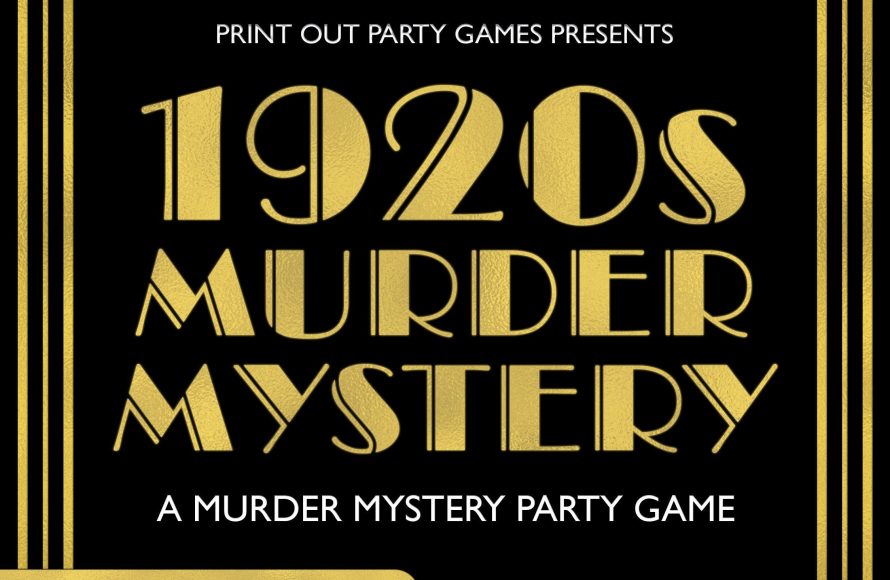
A 1920s murder mystery game lets players embody characters from the Roaring Twenties to solve a simulated crime.
Picture yourself stepping into a world of flappers, gangsters, and hidden secrets. Imagine grand ballrooms filled with jazz music, where danger lurks behind every velvet curtain. This era provides the perfect backdrop for intrigue and suspense.
A 1920s murder mystery game offers an immersive experience, inviting you to become part of the story. You will question suspects, gather clues, and piece together the truth. Prepare for an evening of thrilling deduction and unexpected twists.

1920s murder mystery game
Stepping into the world of a 1920s murder mystery game offers an unparalleled journey back in time. Players immerse themselves in an era of glitz, glamour, and hidden secrets. This unique game format combines social interaction with thrilling detective work. Participants embrace a chosen character, embodying their motives and secrets while working to uncover a fictional crime.
The allure of the Roaring Twenties provides a perfect setting for such a captivating experience. It presents a rich tapestry of historical details, iconic fashion, and intriguing social dynamics. This blend creates an engaging and memorable backdrop for any whodunit.
Why the Roaring Twenties? The Perfect Backdrop for Deception
The 1920s, often called the Jazz Age or the Roaring Twenties, present a uniquely fertile ground for dramatic narratives. This decade saw a clash of old traditions and new freedoms. This inherent tension provides a fantastic foundation for mystery and intrigue.
Glamour and Decadence
The era exudes an undeniable sense of opulent style and lavish parties. Flapper dresses, sharp suits, and feathered headbands define the visual appeal. Grand estates, bustling speakeasies, and exclusive jazz clubs serve as prime locations for fictional crimes. The pursuit of pleasure and wealth often masked deeper, darker intentions among the elite.
Prohibition and Organized Crime
America’s nationwide ban on alcohol, Prohibition, created a thriving underworld. Bootleggers, gangsters, and corrupt officials operated in the shadows. This illicit economy fueled a culture of secrecy, betrayals, and violence. It offers a ready-made network of suspects and motives for any murder mystery plot. Gangland rivalries and hidden speakeasy dealings add layers of danger.
Social Change and Undercurrents
The 1920s witnessed significant social shifts. Women gained new freedoms, challenging traditional roles. Immense wealth disparities also grew, leading to resentment and desperation among different classes. These societal changes often bred scandal, blackmail, and desperate acts, all perfect fodder for a complex mystery. Beneath the surface of prosperity, anxieties and frustrations simmered.
Iconic Aesthetics
The distinct look and sound of the 1920s instantly transport players. Art Deco design, jazz music, and silent film influences define the period’s aesthetics. These elements contribute heavily to the immersive quality of a 1920s murder mystery. Costumes, props, and a curated playlist significantly enhance the experience.
Types of 1920s Murder Mystery Games
Enthusiasts can engage with 1920s murder mystery games in various formats. Each offers a different level of immersion, effort, and cost. Understanding these options helps in choosing the best experience.
At-Home Kits and Boxed Games
These popular options provide everything needed for a complete mystery evening. Kits typically include character profiles, scripts, clues, and a host guide. Players often receive their character information in advance to prepare.
They are designed for a group of friends or family gathered in a home setting. Many companies specialize in themed 1920s kits. This makes them accessible for first-time hosts.
- Accessibility: These games are relatively easy to purchase and set up. They require minimal pre-planning beyond inviting guests and preparing food.
- Cost-Effective: Compared to professionally hosted events, at-home kits offer a budget-friendly option. They provide hours of entertainment for a one-time purchase.
- Variety: A wide range of themes and storylines exist within the 1920s genre. Hosts can choose from speakeasy heists, flapper follies, or gangster showdowns.
- Limited Replayability: Once solved, the mystery’s element of surprise disappears. Players cannot typically replay the same game effectively.
- Reliance on Hosts: The success of the game often depends on the host’s ability. They must guide the narrative, distribute clues, and manage player interactions.
Interactive Dinner Parties
Interactive dinner parties take the at-home kit concept further by integrating the game with a meal. The mystery unfolds between courses. Players might find clues hidden in their food or receive new information from a “waiter” character. This format encourages continuous role-play throughout the evening.
It adds a layer of social elegance to the game. Guests enjoy both culinary delights and a thrilling investigation. The host typically assigns roles that align with the dinner party structure.
Online Virtual Games
The rise of virtual communication platforms like Zoom has opened new avenues for murder mystery games. Online versions adapt traditional kits for remote play. Players receive digital character packets and clues. They interact through video calls, sharing information and accusations across screens.
This format allows friends and family from different locations to play together. It offers convenience and global reach. Visual elements like virtual backgrounds enhance the theme.
Live Immersive Events (Theatrical Experiences)
Professional companies produce elaborate 1920s murder mystery events. These often occur at unique venues, like historic mansions or actual speakeasies. Actors portray key characters, guiding the narrative and interacting with guests. Attendees are not just players but also part of the live performance.
These events offer the highest level of immersion. They create a truly theatrical and memorable experience. They often involve intricate plots and multiple locations within the venue.
| Game Type | Immersion Level | Cost | Setup Effort | Ideal Player Count |
|---|---|---|---|---|
| At-Home Kits | Moderate | Low to Moderate | Moderate | 6-20 |
| Interactive Dinner Parties | High | Moderate | Moderate to High | 8-15 |
| Online Virtual Games | Moderate | Low | Low to Moderate | 5-25+ |
| Live Immersive Events | Very High | High | Low (for attendee) | 20-100+ |
Crafting Your Own 1920s Murder Mystery: A DIY Guide
Creating a custom 1920s murder mystery provides immense satisfaction. It allows for a tailored experience reflecting personal interests and guest personalities. This process involves careful planning and creative execution.
Theme and Plot Development
Start by brainstorming a compelling storyline rooted in the 1920s. Consider classic tropes like a jealous jazz singer, a Prohibition-era gangster rivalry, or a socialite’s scandalous secret. Develop a clear timeline of events leading up to the murder. Ensure the motive for the crime feels believable within the era’s context.
Create a complex web of relationships and secrets among your characters. Design a solution that is logical but not immediately obvious. Incorporate red herrings to keep players guessing.
Character Creation and Distribution
Develop a cast of distinct and engaging characters. Each character needs a unique backstory, motivations, and secrets. Provide them with specific objectives they want to achieve during the game. This encourages active role-play.
Write detailed character briefs for each player. These should include their relationship to the victim, their secrets, and any relevant clues they possess. Distribute roles in advance, allowing players time to get into character. Encourage them to adopt a 1920s persona.
Clue Design and Integration
Clues are the backbone of any murder mystery. Design a variety of clues that can be discovered through dialogue, observation, or physical searching. Examples include love letters, coded messages, newspaper clippings, or physical objects like a tarnished brooch. Ensure clues logically connect and guide players towards the killer.
Pace the release of information throughout the evening. Do not overwhelm players with too many clues at once. Introduce new clues at key moments or as a result of player actions. Make sure a clear path exists from the initial crime to the final revelation.
Setting the Scene: Atmosphere and Decor
The visual and auditory atmosphere significantly enhances immersion. Transform your space into a 1920s speakeasy, grand ballroom, or gangster’s hideout. Focus on details that evoke the era.
- Lighting: Use dim, moody lighting to create an intimate and mysterious ambiance. String lights, old-fashioned lamps, or even candles (safely placed) work well.
- Music: A carefully curated playlist of jazz, swing, blues, and Charleston tunes sets the perfect auditory backdrop. Keep the volume at a level that allows for conversation.
- Props: Scatter period-appropriate props around the venue. Think feather boas, long pearl necklaces, fedoras, antique telephones, vintage newspapers, and playing cards.
- Color Palette: Embrace the Art Deco color scheme. Use rich golds, deep blacks, emerald greens, ruby reds, and shimmering silvers. These colors evoke luxury and sophistication.
- Furniture: Arrange furniture to encourage mingling and private conversations. Consider adding a small bar area for themed drinks.
- Costumes: Strongly encourage guests to dress in 1920s attire. Flapper dresses, cloche hats, tailored suits, and suspenders add to the visual authenticity. Provide a few accessory options for those who arrive unprepared.
The Role of the Host/Game Master
The host or game master is crucial for a smooth and enjoyable experience. You guide the narrative without revealing too much information. You manage the flow of the game, ensuring everyone gets a chance to interact and discover clues.
Keep an eye on the time and the players’ progress. Offer subtle nudges if they get stuck or if a particular clue needs discovery. Facilitate discussions and keep the energy high. Your enthusiasm is contagious and sets the tone for the evening.
Hosting a Memorable 1920s Murder Mystery Evening
Executing a successful 1920s murder mystery party requires careful planning and attention to detail. From the moment guests receive their invitations to the final reveal, every step contributes to the overall experience.
Invitations and Pre-Game Prep
Start by sending out themed invitations that set the tone. Consider telegram-style invites, secret speakeasy passwords, or art deco designs. Clearly state the 1920s theme and encourage costume participation. Include essential details: date, time, location, and RSVP information.
Crucially, send out character packets in advance. Provide character names, brief descriptions, and costume suggestions. Giving guests time to prepare their roles significantly enhances their engagement. Confirm player attendance and character assignments before the event.
The Grand Unveiling: Kicking Off the Night
As guests arrive, greet them in character if you are playing a role. Have the 1920s music playing. Offer a themed welcome drink. Gather everyone for an initial briefing. Introduce the premise of the murder mystery. Clearly state who the victim is and the circumstances of their death.
Establish the game rules and objectives. Encourage players to fully embrace their characters and interact with each other. Provide an initial set of clues or allow characters to immediately start sharing information. Create a captivating opening scene that draws everyone into the story.
Dinner, Drinks, and Deception
Integrate the game seamlessly with the evening’s food and drink. If serving dinner, structure the game to unfold between courses. This allows for focused play sessions and breaks for eating. Consider a 1920s-inspired menu. Think elegant canapés, a classic roast, or simple, hearty fare reminiscent of the era.
Offer a selection of Prohibition-era themed cocktails. “Bathtub Gin,” “Sidecar,” “Mint Julep,” or non-alcoholic “mocktails” fit the theme perfectly. Ensure drinks are easily accessible, perhaps from a “speakeasy” bar area. Encourage players to mingle during these times, allowing for private conversations and clandestine dealings. These moments often yield vital clues or expose surprising alliances.
The Investigation and Accusations
Structure the game into distinct phases. During investigation rounds, players question each other, search for hidden clues, and form alliances. The host can strategically release new clues at different intervals to move the plot forward. Observe player interactions and intervene if someone is struggling or if the game hits a lull.
Towards the end of the evening, gather all players for the accusation phase. Each player gets a chance to present their theory and accuse a suspect. Encourage them to explain their reasoning based on the clues they have gathered. After all accusations, the host dramatically reveals the true killer and explains the complete storyline. This moment offers a satisfying conclusion to the mystery.
Post-Game Debrief and Awards
After the reveal, facilitate a debriefing session. Discuss the plot twists, red herrings, and surprising revelations. Players often enjoy dissecting the mystery and sharing their individual experiences. This also provides an opportunity to answer any lingering questions about the plot or characters.
Conclude the evening with a fun awards ceremony. Present accolades for categories like:
- Best Detective: For the player who correctly identified the killer and motive.
- Best Costume: For the most authentic or creative 1920s attire.
- Most Deceitful: For the player who best maintained their character’s secrets.
- Best Actor/Actress: For outstanding role-play and character embodiment.
- Funniest Moment: For a memorable comedic contribution.
These awards provide a celebratory close to the evening. They acknowledge everyone’s effort and contributions.
Semantic Keywords and SEO Considerations
Optimizing content for search engines involves naturally integrating relevant keywords. For a 1920s murder mystery game blog, this means using a variety of terms people might search for. Think about the different aspects of the game and the era.
Key phrases to include are “Roaring Twenties game,” “jazz age party,” and “flapper mystery.” People often look for “Prohibition era game” or “speakeasy murder mystery” when planning events. Consider terms like “vintage crime game” or “interactive mystery dinner” for broader searches. If the focus is on hosting, use “DIY murder mystery” or “host a murder mystery.” Don’t forget general terms like “themed party game” or “1920s party ideas.” These variations ensure the article captures a wide net of potential readers. Ensure these keywords flow naturally within the text. Avoid keyword stuffing. Instead, focus on providing valuable and comprehensive information.
How to host a murder mystery dinner party
Final Thoughts
Step into a world of flappers, fedoras, and perplexing puzzles. A 1920s murder mystery game offers an unforgettable evening of intrigue and suspense. You gather clues, interrogate suspects, and piece together the truth behind a heinous crime.
Embrace the challenge of solving a captivating whodunit. This experience brings friends and family together for a night of thrilling investigation. You create lasting memories as you play detective.

