
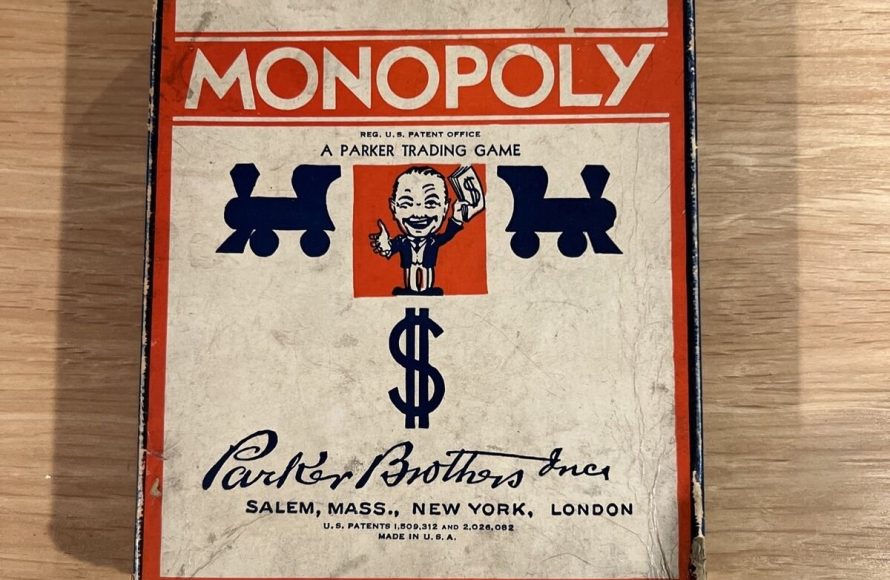
The 1936 Monopoly game was a pivotal early commercial version that standardized the iconic board layout and rules, bringing the property trading game to millions.
Step into a fascinating piece of gaming history. The 1936 Monopoly game holds a unique place in board game lore, marking a significant moment in its evolution. This early version truly solidified the game’s design and global appeal.
Collectors today often seek out these specific editions. They showcase unique pieces and design elements, offering a glimpse into the game’s early commercial success. We examine what made this particular version so special and influential.

Unearthing the 1936 Monopoly Game: A Glimpse into Early Editions
The 1936 Monopoly game stands as a significant landmark in board game history. This particular year marks a pivotal moment in the commercial success and widespread adoption of Parker Brothers’ iconic title. Understanding the 1936 edition offers unique insights into Monopoly’s formative years and its rapid ascent to cultural phenomenon. Early Monopoly editions hold a special place for collectors and enthusiasts, showcasing the game before numerous modernizations.
The Genesis of a Global Phenomenon: Parker Brothers and Monopoly
Parker Brothers acquired the rights to Monopoly from Charles Darrow in 1935. Darrow had already created handmade sets and gained considerable local success. He based his version on earlier land ownership games, notably Lizzie Magie’s The Landlord’s Game. Parker Brothers initially rejected Darrow’s concept due to its perceived complexity, but popular demand quickly changed their minds.
The company recognized the game’s inherent appeal, especially during the Great Depression. Monopoly offered an escape, allowing players to build empires and accumulate wealth, even if only on a tabletop. Parker Brothers swiftly moved to standardize production and began distributing the game widely. The 1936 Monopoly game became one of their first mass-produced versions, solidifying its place in American homes.
This early commercialization phase was crucial for Monopoly’s journey to becoming a household name. Parker Brothers’ manufacturing capabilities and marketing reach transformed a popular novelty into a national sensation. They fine-tuned the game’s presentation while largely retaining Darrow’s core mechanics. This collaboration, albeit with varying degrees of acknowledgment for Magie’s original contributions, paved the way for Monopoly’s enduring legacy.
Distinguishing Features of the 1936 Edition
The 1936 Monopoly game possesses several unique characteristics that set it apart from later iterations. These distinctions make it a prized possession for vintage board game collectors. Examining these early design choices reveals much about the game’s initial aesthetic and functional considerations. Parker Brothers aimed for a consistent, yet charming, visual identity during this period.
Board Aesthetics and Layout
The game board of the 1936 Monopoly game features a distinctive design compared to contemporary versions. Early boards often displayed a slightly different color palette. Certain property groups might have had unique shades not seen in modern sets. The artwork for the corner squares also carried a specific early-era charm.
For example, the “Go” space frequently showed a bolder, more simplistic arrow design. The “Jail” square’s illustration often depicted bars in a straightforward manner, emphasizing the concept of incarceration. “Free Parking” and “Go to Jail” maintained their core functions but visually reflected the design sensibilities of the mid-1930s. The typography used for property names and prices also reflects a classic, pre-war font style.
Game Pieces and Tokens
The early Monopoly token sets offer fascinating insights into the game’s evolution. The 1936 edition typically included a specific assortment of metal tokens. These tokens were often simple, small, and made of lead or other similar metals. Their designs often differed slightly from the more polished versions introduced in later decades.
A common set of 1936 Monopoly tokens might include:
Thimble: A classic household item representing domesticity.
Battleship: Symbolizing power and industry.
Shoe: A practical item reflecting everyday life.
Top Hat: Indicating wealth and status.
Iron: Another common household utility.
Cannon: Representing force or military strength.
Early editions also sometimes featured wooden pawns instead of metal tokens for some players. The houses and hotels were predominantly wooden, usually unpainted. Their simplistic design added to the rustic, handcrafted feel of these early sets. Collectors often seek complete sets of original tokens and wooden pieces to maximize the value of their 1936 Monopoly game.
Monetary System and Design
The Monopoly money from the 1936 era has a distinct look. The bills featured specific designs and colors that evolved over time. Early Parker Brothers money was printed on a lighter, sometimes thinner, paper stock than later versions. The denominations and the overall aesthetic contribute significantly to the authenticity of a vintage set.
The face of each bill often displayed a unique central vignette, different from the simplified designs of modern Monopoly currency. For example, some early one-dollar bills might feature a detailed train or a specific building. The five-dollar bill could show a different image, and so on. The printing quality, while consistent for the era, reveals subtle variations in ink and paper texture. Collectors value sets with crisp, well-preserved original money.
Chance and Community Chest Cards
The Chance and Community Chest cards in the 1936 Monopoly game featured original wording and actions. Many of these cards had specific phrases and instructions that have since been updated or removed in modern editions. The language often reflected the societal norms and financial situations of the 1930s. Some cards might refer to concepts or scenarios less common today.
For instance, a “Bank Error in Your Favor” card might have different monetary values or specific instructions on how to collect. A “Go to Jail” card had the same core function, but its specific wording could differ. The artwork on these cards, if present, was generally simple and line-drawn. Early cards lacked the vibrant colors and detailed illustrations seen in more contemporary sets. Their simplicity adds to the charm and historical value of the 1936 Monopoly game.
Rulebook Specifics
The rulebook accompanying the 1936 Monopoly game often contained nuances in the official rules. While the core gameplay mechanics remained consistent, certain interpretations or clarifications have evolved over decades of play. Early rulebooks might emphasize specific “house rules” that Parker Brothers officially sanctioned at the time. These rules clarify ambiguities for players accustomed to modern interpretations.
An example includes detailed explanations of how auctions operate for unowned properties when a player declines to buy them. Another might involve specific instructions for what happens when a player lands on “Free Parking” – an area often subject to various house rules even today. The 1936 rulebook serves as a vital historical document, preserving the initial intentions and guidelines set forth by Parker Brothers. It details the nuances of the game as it was meant to be played during its formative commercial years.
The 1936 Monopoly Game vs. Subsequent Editions: A Comparative Look
The 1936 Monopoly game laid the groundwork for all future editions. However, Parker Brothers made numerous adjustments and refinements over the years. These changes aimed to improve gameplay, update aesthetics, and adapt to changing manufacturing capabilities. Comparing the 1936 version to later ones highlights Monopoly’s dynamic evolution.
Evolution of Components
Game components underwent significant transformations from the 1936 Monopoly game to later editions. Token designs became more elaborate and varied. Early metal tokens were simpler and often made from different alloys. Newer versions introduced a broader range of iconic tokens, such as the racecar or Scottish Terrier, which became standard in later decades. The board art also became more refined, with cleaner lines and updated color schemes. Money designs gradually shifted to a more standardized, less detailed appearance.
| Component | 1936 Monopoly Game | Modern Monopoly Editions (e.g., 2000s onwards) |
|---|---|---|
| Game Board | Slightly muted colors, unique font styles, simpler corner square art. | Vibrant colors, standardized fonts, stylized and detailed corner square art. |
| Tokens | Lead or early metal alloys; common set includes Thimble, Battleship, Shoe, Top Hat, Iron, Cannon. | Zinc or pewter; includes iconic tokens like Race Car, Scottish Terrier, Penguin, Rubber Ducky. |
| Money | Lighter paper stock, specific early vignettes (e.g., trains, specific buildings). | Heavier paper stock, simplified, often generic central designs on bills. |
| Houses/Hotels | Predominantly unpainted wooden pieces. | Plastic pieces, typically green for houses and red for hotels. |
| Chance/Community Chest Cards | Simpler artwork, original 1930s phrasing and scenarios. | More detailed artwork, updated phrasing and scenarios relevant to modern times. |
| Rulebook | Detailed explanations for early play, sometimes with specific period-relevant nuances. | Streamlined rules, often with common FAQs and modern clarifications. |
Rule Adjustments Over Time
While the core rules of Monopoly have remained remarkably consistent, Parker Brothers has made subtle rule adjustments over time. These changes primarily focused on clarifying ambiguities and streamlining gameplay. For example, the precise rules regarding landing on “Go” and collecting salary have seen minor tweaks. Early editions sometimes had slightly different interpretations for specific actions like mortgaging properties.
Modern rulebooks often include clearer guidelines on what constitutes an official play. They remove the potential for certain “house rules” to become confused with standard play. The 1936 Monopoly game represented a crucial stage in solidifying these rules, setting the standard that would evolve over the next decades. These adjustments reflect a continuous effort to perfect the game experience for millions of players worldwide.
Collectibility and Value of 1936 Monopoly Sets
The 1936 Monopoly game holds significant appeal for collectors, often commanding high prices in the vintage market. Its historical significance as one of the earliest mass-produced Parker Brothers editions contributes immensely to its desirability. Factors like rarity, condition, and completeness all play a crucial role in determining a set’s market value. Enthusiasts of vintage board games actively seek out these early Monopoly editions.
Collectors can find these rare sets through various avenues. Online auction sites, specialty antique dealers, and dedicated board game collector forums are common places to search. Identifying an authentic 1936 Monopoly game requires careful inspection of all components. Knowledge of Parker Brothers’ early manufacturing practices is essential for proper authentication.
Assessing Condition: A Collector’s Guide
The condition of a 1936 Monopoly game dramatically impacts its collectibility and monetary value. Collectors use a comprehensive checklist to assess the state of each component. Even minor wear can significantly affect the overall appraisal. Preserving these historical artifacts requires careful handling and storage.
Board Condition: Examine the game board for any signs of wear, fading, or damage.
Folds and Creases: Check for wear along the board’s folds. Excessive creasing or tears can reduce value.
Surface Wear: Look for scuffs, scratches, or fading of the property colors and corner square art.
Water Damage/Stains: Any discoloration from moisture or other stains severely impacts desirability.
Component Completeness: Ensure all original game pieces are present.
Tokens: Verify that the correct set of 1936 metal tokens are included and in good condition. Missing tokens significantly decrease value.
Houses and Hotels: Count all the wooden houses (green) and hotels (red). Ensure they are original to the set.
Dice: Original wooden or bakelite dice, often in white or red, add authenticity.
Money: A full, original set of Monopoly money, especially in crisp condition, is highly desirable.
Chance and Community Chest Cards: Confirm all cards are present and readable. Check for bends, tears, or excessive wear.
Original Box: The presence and condition of the original box are paramount.
Box Integrity: Look for tears, crushed corners, or significant discoloration.
Labels/Artwork: Ensure the original labels or printed artwork on the box remain intact and legible. Early boxes often had distinctive designs.
Rulebook Presence: An original 1936 rulebook adds considerable value to a set.
Completeness: Verify all pages are present and readable.
Condition: Check for tears, folds, or writing within the rulebook.
A perfectly complete, near-mint condition 1936 Monopoly game represents the pinnacle for collectors. Even well-preserved, slightly used sets retain substantial value due to their historical significance. Enthusiasts often prioritize a set’s originality and the preservation of its distinctive 1936 features.
The Cultural Impact of Early Monopoly
The 1936 Monopoly game emerged during a tumultuous period in American history: the Great Depression. This context profoundly influenced its appeal and rapid cultural integration. The game offered more than just entertainment; it provided a psychological escape and a glimmer of hope during widespread economic hardship. Families gathered around their tables, engaging in a game where wealth accumulation was not only possible but the ultimate goal.
Monopoly allowed players to vicariously experience the thrill of real estate acquisition and financial dominance. It offered a stark contrast to the daily struggles many faced, providing a fantasy world of limitless financial opportunity. This escapism resonated deeply with the public, cementing Monopoly’s status as a quintessential American pastime. The game taught basic principles of economics, investment, and negotiation in an accessible, engaging format. It became a powerful symbol of ambition and the pursuit of the American Dream, even when that dream felt out of reach for many.
The game’s success in the mid-1930s also marked a shift in family entertainment. Board games became central to social gatherings and quiet evenings at home. The 1936 Monopoly game contributed significantly to this trend, fostering interaction and strategic thinking among players of all ages. Its straightforward objective—to bankrupt opponents—was easy to grasp, yet its underlying strategies offered depth. Monopoly’s cultural footprint grew exponentially from this early period, influencing generations of board game design and play. It solidified its place not just as a game, but as a cultural icon reflecting a specific moment in history.
How Much Is A 1936 Monopoly Game Worth? – The Board Game Xpert
Final Thoughts
The 1936 Monopoly game remains a cornerstone of board game entertainment. It cemented the game’s iconic rules and competitive spirit worldwide. Families and friends continue to enjoy its strategic depth and timeless appeal. This particular edition truly defined a classic.

