
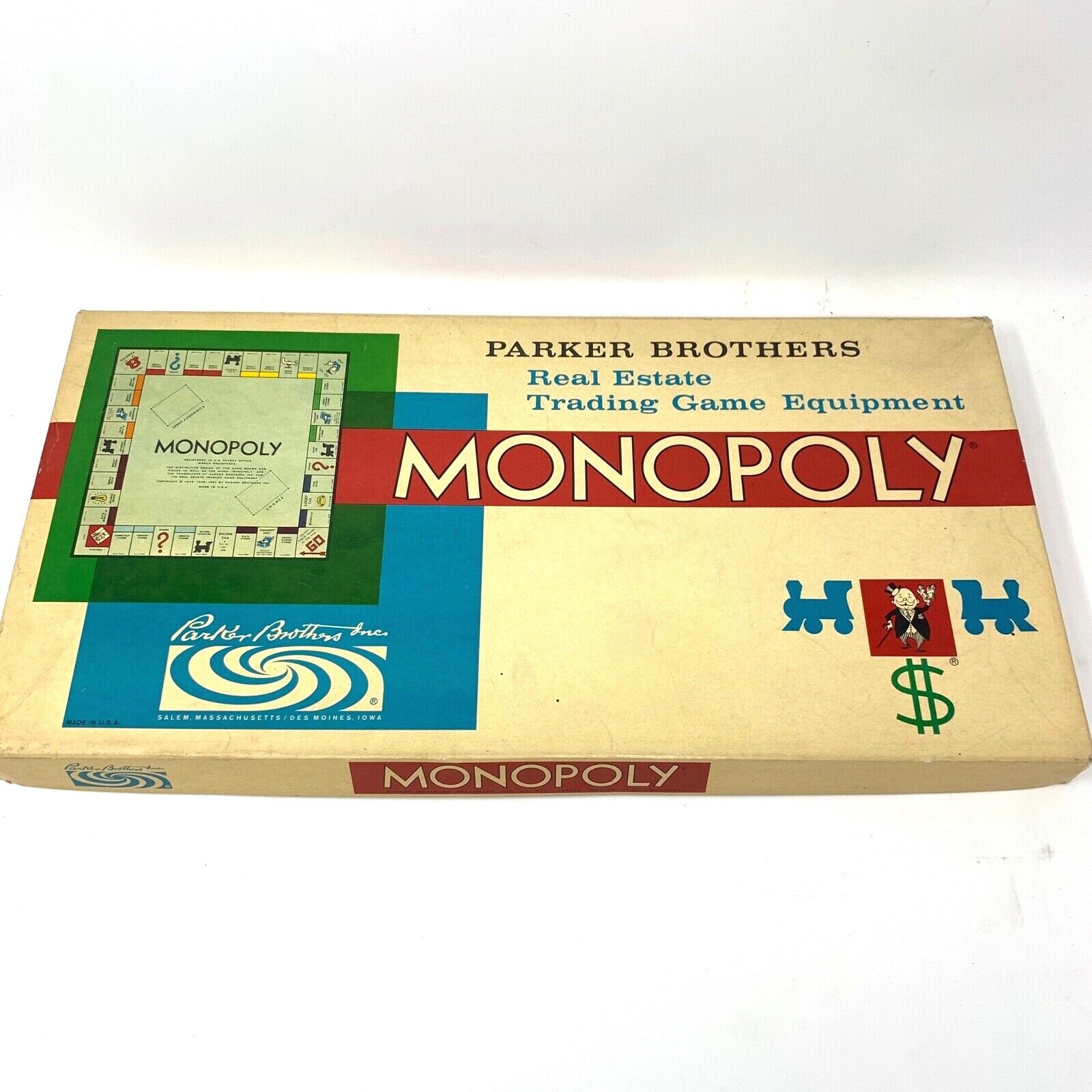
The 1961 Monopoly game refers to editions of the classic board game produced in that year, often notable for specific game board designs or token sets from the era.
Remember those classic board game nights, negotiating properties and building empires? Monopoly holds a special place for many. We often recall specific editions that defined our childhoods.
The 1961 Monopoly game is one iconic version, embodying a particular moment in the game’s long history. This edition carries unique characteristics, from its board art to its classic metal tokens. Let’s explore what makes this vintage game a true collector’s item.

The Allure of the 1961 Monopoly Game
A Glimpse into Monopoly’s Past: The Early 1960s
The year 1961 marked a fascinating period in American history, deeply influenced by post-war economic prosperity and burgeoning consumer culture. Families across the nation were enjoying newfound leisure time and disposable income. Board games, already a popular pastime, experienced a significant surge in demand, fitting perfectly into the fabric of domestic entertainment.
Monopoly, having been a household staple since its widespread commercial release in the mid-1930s, stood as a reigning king of family game nights. Its established popularity meant that by 1961, millions had already experienced the thrill of buying, selling, and strategizing. Parker Brothers, the primary manufacturer in the United States, continuously refined and marketed the game to maintain its universal appeal.
This era saw Monopoly as a cornerstone of social interaction, often gathering multiple generations around the kitchen table. The game fostered both fierce competition and shared laughter. It was more than just a game; it was a cultural touchstone reflecting the economic aspirations and competitive spirit of the time.
Defining Characteristics of the 1961 Edition
The 1961 Monopoly game holds a unique place in the game’s long lineage, characterized by specific design choices and manufacturing techniques of the era. Collectors and enthusiasts often seek out this particular edition for its nostalgic value and distinct features. Understanding these elements provides insight into the game’s evolution.
Packaging and Box Design
The packaging of the 1961 Monopoly game often featured the classic white box, an iconic look that many associate with vintage Monopoly. This sturdy cardboard box typically boasted vibrant artwork depicting various aspects of the game. The design emphasized key properties and game elements, immediately drawing attention.
Parker Brothers focused on durability for the packaging, ensuring the box could withstand years of enthusiastic play. The lid usually lifted off to reveal a well-organized interior, designed to safely store all game components. This attention to detail reflected the premium quality expected from games of that period.
Game Board Aesthetics
The 1961 game board retained much of its traditional appeal, with its familiar green fold-out design. The property names, such as Boardwalk, Park Place, and Marvin Gardens, were instantly recognizable. Colors for property groups remained consistent with earlier editions, making strategic play intuitive for returning players.
Specific graphical elements on the board often included charming illustrations for the railroad stations and utilities. The “Go” square featured a stylized arrow, inviting players to begin their journey around the board. The board’s construction ensured it lay flat during play, providing a stable and engaging playing surface.
Game Components: Tokens, Houses, Hotels, and Money
The tangible components of the 1961 Monopoly game are central to its appeal and often vary slightly from earlier or later editions. Each piece contributes to the overall tactile experience of playing the game. Collectors often prioritize editions with complete and original sets of these components.
Game Tokens: The 1961 edition typically included a set of iconic metal tokens. These often comprised the classic thimble, top hat, iron, shoe, battleship, race car, and sometimes a Scottish terrier. Early editions sometimes had different token selections, but these seven were largely standardized by the early 1960s. These tokens were robust and heavy, crafted from lead-based alloys, giving them a satisfying weight in hand.
Houses and Hotels: Players built their empires using small, distinct houses and hotels. The 1961 version commonly featured wooden houses painted green and wooden hotels painted red. These pieces were simple in design but functional, allowing players to visually track property improvements. Their material provided a pleasant, traditional feel during gameplay.
Money: Monopoly money in 1961 maintained its distinctive, colorful appearance. Denominations ranged from $1 to $500, each printed on a different colored paper. The texture of the paper was crisp and durable, designed to withstand countless transactions. The simple, elegant design of the currency added to the classic feel of the game.
Chance and Community Chest Cards: These essential cards were printed on sturdy cardstock, often with a slight sheen. The Chance cards typically featured a question mark on their back, while Community Chest cards displayed a treasure chest. The instructions on the cards were straightforward and often included classic phrases like “Advance to Go” or “Bank Error in Your Favor.” Artwork on these cards remained minimal, focusing on clear text.
Dice: The 1961 game included two standard six-sided dice, usually made of plastic. Their color was typically white with black pips, ensuring clear readability during rolls. The size and weight of the dice were consistent, providing a fair and predictable roll every turn.
Rulebook and Instructions
The rulebook accompanying the 1961 Monopoly game was typically a compact, folded pamphlet. It provided clear, concise instructions on how to set up and play the game. Parker Brothers ensured the rules were easy to understand for players of all ages, facilitating smooth gameplay.
The rulebook also included specific clarifications on common scenarios, like mortgages, bankruptcies, and passing Go. It reinforced the standard official rules, discouraging common house rules that had begun to emerge. This focus on standard play helped maintain consistency across different gaming groups.
Gameplay and Player Experience in the 1961 Era
Playing the 1961 Monopoly game offered a distinct experience, deeply intertwined with the social norms and entertainment habits of the time. Families and friends gathered for extended periods, embracing both the competitive and collaborative aspects of the game. The slower pace of life meant that players often devoted entire evenings or afternoons to completing a game.
Players immersed themselves in the game’s strategic elements, meticulously planning property acquisitions and anticipating opponents’ moves. The thrill of landing on a coveted property or receiving rent from an opponent fueled excitement. The game’s simple mechanics masked deep strategic possibilities, allowing for complex negotiations and calculated risks.
The social aspect of Monopoly was paramount; it provided a natural forum for conversation and friendly banter. Players engaged in lively discussions about property values, potential trades, and unfortunate bankruptcies. This interactive element fostered strong bonds and created lasting memories among participants. It was not uncommon for a single game to span several hours, with players taking breaks for snacks or dinner before resuming their economic conquest.
Scarcity and Collectibility of the 1961 Monopoly Game
The 1961 Monopoly game has become a coveted item among board game collectors and enthusiasts. Its vintage appeal, coupled with the charm of its period-specific components, contributes significantly to its desirability. Collectors often seek out complete sets in excellent condition, viewing them as historical artifacts of play.
Several factors influence the scarcity and value of a 1961 edition. The condition of the box, board, and all individual components plays a crucial role. A well-preserved box with minimal wear and tear significantly increases its worth. The presence of all original tokens, houses, hotels, and money also adds to its completeness and collectibility. Editions that have been carefully stored and show little sign of use command higher prices.
Finding a 1961 Monopoly game requires dedication and often involves searching various specialized markets. Antique shops, vintage toy stores, and online auction sites like eBay are common avenues for discovery. Collectors also frequent estate sales and flea markets, hoping to unearth a hidden gem. The pursuit of these vintage editions is often as enjoyable as acquiring them, connecting collectors with a piece of gaming history.
Comparing the 1961 Edition to Other Eras
Understanding the unique characteristics of the 1961 Monopoly game becomes clearer when comparing it to editions from different periods. The evolution of materials, design philosophy, and manufacturing processes becomes evident through these comparisons. Each era brought subtle yet significant changes to the beloved game.
Pre-War vs. 1961 Edition
Monopoly’s journey began commercially in the mid-1930s, and early editions from this pre-war period exhibit distinct differences from the 1961 version. The materials used and the overall aesthetic evolved significantly over the decades.
Board Construction: Early pre-war boards often featured simpler printing techniques and sometimes different folding mechanisms. The 1961 board showcased more refined printing and a consistent green color scheme.
Game Tokens: Pre-war tokens varied widely and often included less standardized selections; some were simpler, unpainted metal pieces. By 1961, Parker Brothers had standardized the selection of heavier, more detailed metal tokens.
Houses and Hotels: Early wooden houses and hotels could be cruder in construction or even differ in color. The 1961 edition offered consistent green wooden houses and red wooden hotels.
Packaging: Pre-war boxes might have featured different artwork or more simplistic designs. The 1961 white box with its vibrant art became a more consistent and recognizable package.
Rulebook Content: Early rulebooks sometimes contained slightly different interpretations of rules or less extensive clarifications. The 1961 rulebook reflected a more mature and standardized set of official rules.
1961 vs. Modern Editions
Comparing the 1961 Monopoly game to contemporary versions reveals a fascinating progression in game design and production. Modern technology and consumer preferences have led to significant changes in materials, aesthetics, and even some subtle rule variations.
| Feature | 1961 Monopoly Game | Modern Monopoly Game (Example: 2020s) |
| :—————— | :——————————————————- | :—————————————————————– |
| Board Material: | Sturdy, thick cardboard, typically green color | Lighter cardboard, often vibrant or themed colors, sometimes with plastic trays |
| Game Tokens: | Heavy, solid metal (often lead-based alloys), limited selection (e.g., thimble, car) | Lighter, often more detailed metal or plastic, wider variety of tokens (e.g., T-Rex, rubber ducky, cat) |
| Houses/Hotels: | Solid wood, traditional green houses and red hotels | Plastic, often more detailed or themed, sometimes clear or translucent |
| Money Design: | Classic, simple paper currency, each denomination a distinct color | More elaborate designs, sometimes featuring characters or themes, occasionally electronic banking units |
| Rulebook Focus: | Clear, concise instructions adhering strictly to original rules | Often includes variations, quick-play options, or house rule suggestions, sometimes digital rulebooks |
| Packaging: | Durable, often one-piece box with internal cardboard dividers | Lighter, often two-piece box with plastic inserts for component organization |
| Production: | Primarily Parker Brothers (US), Waddington’s (UK) | Hasbro (worldwide), with numerous licensed variations and spin-offs |
| Game Play: | Emphasized standard play, long duration common | Introduces speed rules, shorter game variations, caters to faster-paced play |
These comparisons highlight how the essence of Monopoly has endured, while its physical manifestation continually adapts to manufacturing capabilities and market trends. The 1961 edition represents a pivotal point in this evolution, maintaining classic elements while benefiting from mid-century production standards.
The Enduring Legacy of Monopoly and the 1961 Version’s Place
The 1961 Monopoly game played a crucial role in solidifying the game’s position as a household name for generations to come. Its reliable quality and consistent design helped maintain Monopoly’s strong market presence during a period of expanding leisure activities. The edition served as a benchmark for many who grew up playing the game in the early 1960s, embedding its imagery and gameplay deep within their collective memory.
Its cultural significance extends beyond mere entertainment; it became a staple of family gatherings and social events, fostering a shared experience across diverse demographics. The values of strategic thinking, negotiation, and financial literacy, albeit simplified, were implicitly taught through its engaging gameplay. The 1961 version contributed directly to the game’s long-term success by providing a high-quality, accessible product that resonated with millions.
The enduring appeal of vintage board games, including the 1961 Monopoly edition, lies in their ability to transport players back to simpler times. They offer a tangible connection to history, reminding us of how families spent their leisure hours before the advent of digital entertainment. Collecting and playing these older versions is a celebration of nostalgia, a testament to the timeless joy of classic tabletop games. The 1961 Monopoly game stands as a proud testament to this rich legacy.
1961 Monopoly thrift store find..with a surprise! Part 1
Final Thoughts
The 1961 Monopoly game offers a unique glimpse into vintage board gaming. Its specific components and rule variations from that era often intrigue collectors. Players appreciate the historical context this particular edition provides. This classic game remains a popular item for enthusiasts seeking a piece of gaming history.

