
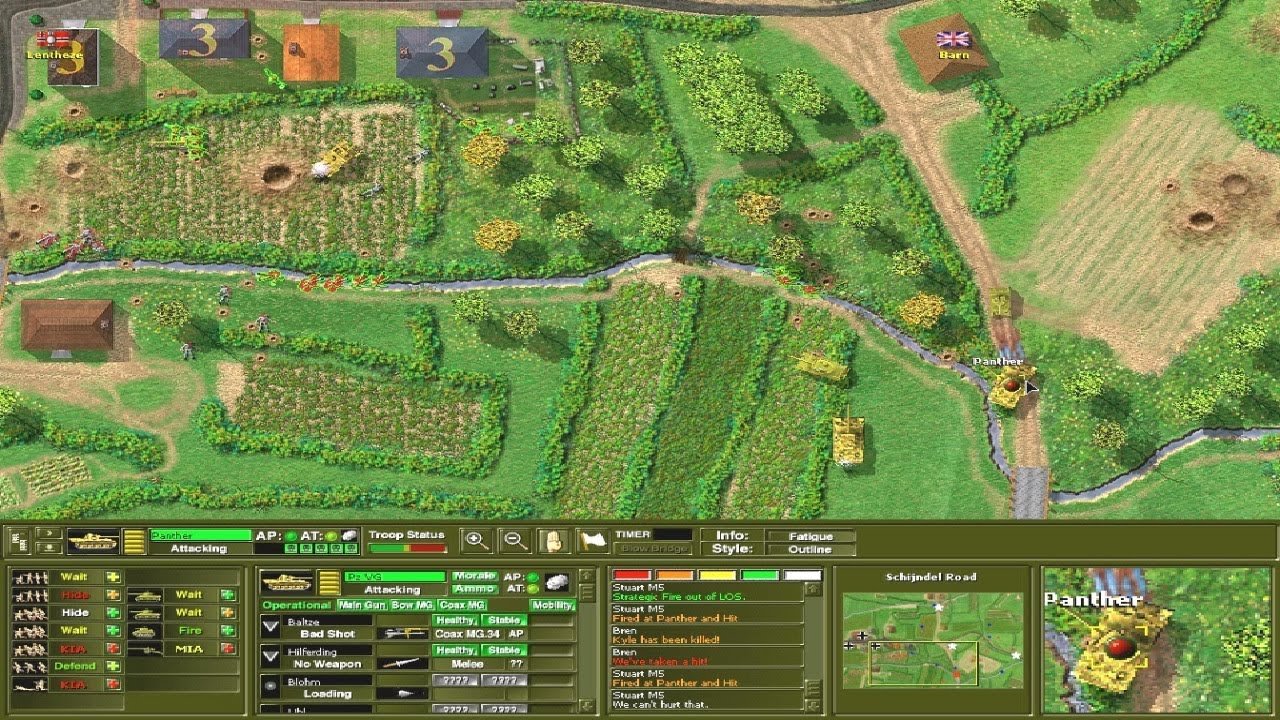
‘A Bridge Too Far’ game simulates Operation Market Garden, where players manage Allied forces trying to secure key bridges across the Netherlands, facing challenges like strong German resistance.
Have you ever wondered what it felt like to command troops in a daring, albeit risky, airborne operation? ‘A bridge too far game’ lets you experience the strategic complexities and tactical battles of World War II’s Operation Market Garden. It’s a challenging wargame that puts you in charge of Allied forces as they attempt to seize crucial bridges.
This game is not just about rolling dice; you will need careful planning and execution. The German opposition is fierce, so wise decision-making determines victory or defeat. Will your strategy lead to success, or will you find your forces stalled, facing a devastating outcome?

A Bridge Too Far Game: Diving Deep into a Historical Wargame
Have you ever wanted to step into the shoes of a general during World War II? The game “A Bridge Too Far” lets you do just that! It takes you back to Operation Market Garden, a real-life battle that happened in 1944. This wasn’t just any battle; it was a massive airborne operation, and this game lets you see if you can do a better job than the real generals did. Let’s explore what makes this board game so fascinating.
The Heart of the Game: Operation Market Garden
First, let’s talk about the real event this game is based on. Operation Market Garden was a bold plan by the Allies to quickly end World War II. They wanted to use paratroopers and gliders to capture key bridges in the Netherlands. Then, ground troops would rush over these bridges, bypassing German defenses and moving into Germany. The plan sounded great on paper, but as the name of the game suggests, it turned out to be “a bridge too far”. The game captures this drama and complexity perfectly.
Understanding the Allied Objectives
In the game, you’re usually taking on the role of the Allied forces, meaning you need to play as the American, British, and Polish forces working together. The main goal in a game of “A Bridge Too Far” is for the Allies to capture a series of crucial bridges and hold them until the ground troops can arrive. Think of it like a very complicated game of capture the flag, but with tanks and paratroopers and much, much higher stakes. You’ll need to manage your troops and resources carefully to be successful. It’s not as simple as just grabbing the bridge; you need to control it against often fierce resistance, as you work your way across the map.
- Nijmegen Bridge: One of the key objectives. Controlling this is important for further advances.
- Arnhem Bridge: This one is famous! It was the farthest objective and the most difficult to capture.
- Eindhoven Bridges: These were crucial for connecting the various Allied units.
The German Resistance
Of course, the German forces are not going to make it easy for you! They control key towns, have anti-aircraft guns, and are constantly trying to push back the Allied forces. They will launch counterattacks, try to recapture the bridges, and generally try to disrupt your plans. They are often well-entrenched and have superior firepower in certain areas, forcing players to think strategically. Playing as the Germans can be a totally different experience where the focus is on holding your ground and exploiting Allied mistakes.
Gameplay: What to Expect
The game board for “A Bridge Too Far” is often a large map of the area where Operation Market Garden took place. It’s split into hexagons, which are used to track the movements of your units. You’ll have different kinds of units like paratroopers, infantry, tanks, and anti-tank weapons. Each unit has its own special abilities and strengths.
Turn Structure
A typical turn in the game is broken down into steps, where you are given time to plan and execute before your opponent gets to react. Here’s a rough idea of how a turn works in most “A Bridge Too Far” versions:
- Reinforcement Phase: New units arrive on the board to replenish your force, if any are available according to the rules.
- Movement Phase: You move your units across the map, trying to get them closer to your objectives.
- Combat Phase: You engage the enemy with your troops, using dice rolls and unit strengths to determine who wins each fight.
- Other Actions: You might also have additional actions like drawing cards, setting up ambushes, or repairing bridges, depending on specific rule sets and variants.
The Importance of Dice
Like many war games, dice play a big role in “A Bridge Too Far.” When you get into a fight, you roll dice to determine the outcome of the battle. Your unit’s strength, position, and the type of terrain they are fighting in all affect the dice rolls. This means that even with a strong unit, you need a bit of luck to win. But, good strategy and smart planning can improve your odds of success. A good player will position their units carefully to maximize their strengths and minimize their weaknesses.
Resource Management
Throughout a game of “A Bridge Too Far,” you will be managing a variety of resources. You need to bring troops in as reinforcements. You need to repair damaged bridges. Sometimes you also have to worry about things like air support. Managing these resources well is just as important as choosing the right battle plan. Knowing when to bring in new troops and when to hold back is an important part of strategic planning.
Different Editions and Versions
Over the years, “A Bridge Too Far” has been published by different companies, and there are several different versions of the game. Some editions are more complex than others, but the core gameplay idea always remains about capturing and holding the bridges. Some versions have different rules for air support, or how to use special units. It’s important to understand what rules you are playing with in order to be successful. Some of the more famous versions include the Avalon Hill version and those published by GMT Games.
Variations in Rules
Each edition might also have variations in rules. Some versions might have more detailed rules about things like supply lines, or how artillery works. Others may focus on the core combat rules. It is often advisable to do a bit of research to understand which version of “A Bridge Too Far” works best for your group before starting a campaign. Many players often find the variations interesting for replay value, so it is not uncommon to see serious wargamers having a collection of copies of the game.
Solitaire Options
Many wargamers enjoy playing games solo. Some editions of “A Bridge Too Far” include rules for playing the game by yourself, where the enemy forces act based on a set of pre-written instructions. This can be a great way to practice your strategies, or to experience a tense battle even when you don’t have a partner. Even without an official solitaire version, many players adapt the rules to allow solo play. This makes the game accessible to many.
Why Is it Still Popular?
“A Bridge Too Far” has been around for many years, but people still play it today. Here’s why this particular war game is so popular:
Historical Accuracy
A big reason why the game is popular is because it’s based on a real event. It allows you to learn about Operation Market Garden in a fun and interactive way. It brings history to life through play. The game also accurately portrays the different units involved in the operation, from tanks to paratroopers.
Strategic Depth
The game is not just about rolling dice. It requires a lot of careful planning and thinking. You have to figure out the best way to use your units and manage your resources. There is a lot of strategy involved in picking which units to use and how to maneuver them across the map. It is a great experience for people looking for a thinking game.
Challenging Gameplay
Playing as the Allied forces in “A Bridge Too Far” is not easy. The German forces put up a tough resistance, so you need to be strategic to win. The challenge keeps players coming back for more. It is also very satisfying when you finally manage to capture a bridge.
Replayability
Because of the different units, dice rolls, and scenarios you could possibly play, each game is a little different. There are many combinations of strategic choices and different paths to victory. This means you can play “A Bridge Too Far” again and again without it getting boring. The different unit compositions and variations in gameplay make it a game that stays interesting.
Community
Because “A Bridge Too Far” is such an iconic war game, it has a large and dedicated community of players. You can find people online to play with, or join discussions and forums to talk about game strategies and different scenarios. There are a lot of people ready to discuss the game and share their own tips and techniques.
Who is This Game For?
“A Bridge Too Far” is not for everyone. But, if you like certain things, it can be the perfect board game for you. Here’s a look at who might enjoy this game the most:
- History Buffs: If you love learning about World War II, you’ll find “A Bridge Too Far” interesting.
- Strategy Game Fans: If you like thinking games that require planning, then this game is for you.
- Wargamers: If you’ve played other war games before, this one will be familiar to you.
- Challenge Seekers: If you enjoy a game that’s not easy to beat, this game will keep you on your toes.
- Players Who like to Collaborate: The game really shines when you play with others and collaborate on strategy.
Getting Started: Tips for New Players
If you are new to wargames, “A Bridge Too Far” can feel intimidating at first. Don’t worry! Here are a few tips to get you started:
Read the Rules Carefully
Before you start playing, take some time to read the rule book carefully. Make sure you understand all the rules and how the different units work. The more familiar you are with the rules, the smoother the game will go, and more fun you will have. Consider watching a video tutorial if you have trouble with a rule set.
Start with a Simpler Scenario
Some versions of the game have different scenarios with different objectives and setups. Start with a simpler scenario first, so you don’t get too overwhelmed. As you get more comfortable with the game, you can tackle the more complicated scenarios. This will help you develop strategies and techniques.
Focus on the Bridges
Remember the main objective of the game is to capture and hold the bridges. Focus on controlling the bridges and protecting them with your units. They are the key to winning the game. All of your tactical decisions should support this ultimate goal.
Don’t Be Afraid to Ask for Help
If you are confused about a rule or how something works, don’t be afraid to ask other players or consult online resources. There are many people who have experience with this game, and many online resources as well. A friendly community can be a great resource for any player of this classic wargame.
Advanced Strategies for Experienced Players
Once you have mastered the basic game, you can start to explore some advanced strategies to improve your game.
Understanding Terrain Effects
The game board of “A Bridge Too Far” is broken up into different types of terrain. Make sure you learn how to use the terrain to your advantage. Certain terrains, like woods and cities, can provide defensive cover or movement penalties. Using the terrain to help your units can often make a big difference in combat situations.
The Importance of Supply Lines
If your version of the game uses supply lines, you need to manage them properly to ensure that your units have the resources that they need to continue their missions. If they get cut off, your units might start to lose strength and efficiency. Think about supply lines as the lifeblood of your war effort. It can be a crucial part of your plan.
Air Superiority
If air support is a factor, try to gain air superiority. This will help you to make attacks on enemy positions and also provides protection from enemy air attacks. It can be an advantage in the game.
Knowing Your Opponent
Pay attention to what your opponent does. Try to predict their moves and plan accordingly. Learning your enemy’s strategy can make all the difference in the game, and you might need to adjust your plan based on their actions. This can be critical to maintaining the initiative in the game.
Balancing Offense and Defense
It’s important to strike a balance between attacking the enemy and protecting your own units. Don’t be too aggressive to the point that you leave your supply lines vulnerable, but also don’t be too defensive where you are not able to make advances. Try to develop a balanced approach to win.
In the end, “A Bridge Too Far” is a game that can provide hours of enjoyment for fans of historical wargames. Its blend of strategic gameplay, historical accuracy, and challenging situations makes it a rewarding experience. Whether you’re a seasoned war gamer or new to the genre, this game offers a captivating journey into the past, allowing you to explore one of World War II’s most ambitious operations. By understanding its nuances and complexities, you can truly appreciate the strategic depth it offers, and gain a new perspective on the real events that inspired it. With careful planning and a little bit of luck, you can learn from history and maybe do what the original generals couldn’t— successfully take that “bridge too far.”
Close Combat: A Bridge Too Far (Windows game 1997)
Final Thoughts
‘A Bridge Too Far’ presents players with a demanding operational challenge. The game captures the historical complexities of Market Garden, requiring careful planning and coordination. Success hinges on effective resource management and strategic troop deployment.
Ultimately, ‘a bridge too far game’ is a serious wargame for dedicated enthusiasts. Players must invest time to understand the systems. This game rewards calculated thinking and patient execution. It tests both strategic and tactical skills.

