
The essence of ‘a game of lies’ lies in the act of deception, where participants intentionally mislead others, often for personal gain or amusement.
Have you ever wondered about the subtle art of bending truth? We all encounter it, maybe even participate in it. It’s this human dance with falsehoods that brings us to the topic, a game of lies.
Sometimes it’s playful, a harmless fib. Other times, it can be much more serious, with real consequences. Let’s dive into the world of deception and explore why we sometimes choose to play it.

Navigating the Twists and Turns of a Game of Lies
Have you ever played a game where you weren’t quite sure who was telling the truth? That’s the heart of a “game of lies,” a concept that shows up in many different places, from simple kids’ games to complex social situations. It’s more than just fibbing; it’s about strategy, deception, and trying to figure out who’s being honest. Let’s dive in and explore what makes these kinds of games so interesting, and how they work in the real world and in fun games we play.
What Makes a Game of Lies Tick?
At its core, a game of lies involves at least one person intentionally saying something that isn’t true. This can be a small white lie, like saying you love a gift even if you don’t, or a bigger deception, like trying to trick someone into believing something that’s completely false. These games often rely on a few key ingredients:
The Deception
This is the main event! Someone is actively trying to mislead another person. They might change the facts, hide information, or make things up entirely. The goal is usually to gain an advantage or simply to keep playing the game.
The Concealment Aspect
Often, part of the challenge is that you’re not just saying something false, you’re also trying to hide the fact that you’re being deceptive. This means watching your facial expressions, controlling your tone of voice, and crafting a believable story. It’s like being an actor on a stage!
The Target of the Deception
The other person in this game isn’t just a passive observer; they have to actively try to figure out the truth. This often involves listening carefully, looking for clues, and trying to spot inconsistencies in what someone is saying. They are trying to be detectives.
The Art of Reading People
A key part of a game of lies is reading people. Can you tell if someone is nervous, avoiding eye contact, or their story doesn’t quite add up? This can involve looking at how their body language and verbal clues that are being told. It’s all about observation skills.
Games We Play: Truth and Lies in Different Forms
Games of lies aren’t just the ones you play at the dinner table. They appear in lots of different forms, some obvious, others a bit more sneaky.
Traditional Card and Board Games
Some games, like “Mafia” or “Werewolf,” are designed entirely around deception. Players are secretly assigned roles and must work together or against each other, relying on bluffing and misdirection to succeed. Here’s how they often work:
- Secret Roles: Players get assigned a role that they must keep secret.
- Deception and Accusation: Those trying to hide their roles must try to convince everyone they are not the “bad guy.”
- The Goal: The goal is usually for one side to eliminate the other side through accusations, so it is very strategic.
Everyday Scenarios
Believe it or not, we encounter games of lies in our everyday lives, although they might not be as dramatic as those in a board game. For example:
- Negotiating: When you’re trying to get a better deal at a garage sale, you might not be entirely truthful about how much you want an item.
- Social situations: Sometimes, people might pretend they’re having a good time to avoid hurting someone’s feelings.
- Schoolyard games: Playing tag or hide-and-seek often involves a bit of deception to win.
Political and Historical Contexts
Lies also appear on a larger scale in history and politics. Nations might try to mislead each other during times of war, or politicians might make promises they don’t intend to keep. Understanding how these lies work, and being able to spot them, is very important.
Why do People Play Games of Lies?
If lying is generally considered to be wrong, why do we engage in these games? There are a few reasons why they can be so compelling:
The Challenge and Competition
Many people enjoy the mental challenge that comes with trying to outsmart someone. It’s a battle of wits. They like the feeling of successfully deceiving someone or being the one who figures out the truth.
Social Dynamics and Power
In some cases, the ability to lie well can be seen as a kind of power. The person with the better poker face can hold more influence in a social dynamic. However, this is important to understand, because power dynamics in real life should not be about deception. Honesty should always be the foundation for healthy interactions.
A Way to Explore Different Roles
Games of lies can be a fun way to experiment with different personalities. In a board game, you can become a sneaky villain without actually being one in real life. This provides a safe environment to explore these types of roles.
The Downsides of Games of Lies
While these games can be entertaining, it’s essential to be aware of the potential downsides:
Damage to Trust
If lying becomes a habit, it can really hurt your relationships with others. People need to be able to trust you, and if they catch you in a lie, it can be hard to rebuild that trust. This is why honest communication is always better in the long run.
Confusion and Misunderstanding
In a game where you are lying, it can be hard to know what’s real and what’s not. This can cause confusion and lead to misunderstandings, both in the game and in real life. Honesty prevents miscommunications, as it clears the paths to understanding.
Ethical Considerations
It’s essential to think about the ethical implications of lying. Is it ever okay to lie? What are the limits? These are important questions to consider when you’re playing a game of lies or when you encounter similar situations in your life. Lying can bring negative consequences and we should always prioritize honesty over deception.
How to Navigate a Game of Lies Effectively
Whether you’re playing a game for fun or find yourself in a real-life situation, here are some important tips for navigating a “game of lies” effectively:
Observe Carefully
Pay attention to more than just what people say. Look at their body language, their facial expressions, and their tone of voice. Sometimes, nonverbal clues can tell you more than their words.
Key things to observe:
- Eye Contact: Do they look away or maintain strong eye contact?
- Body Language: Are they fidgeting or are they still?
- Tone of Voice: Does their voice sound steady or does it waver?
- Inconsistencies: Do their words match their actions or other things they have said?
Ask Questions
If you suspect that someone is not being truthful, ask them follow-up questions to see if their story still holds together. The more details they give, the easier it might be to spot any errors. However, be careful not to get into an aggressive tone when asking questions. It’s better to be inquisitive and open minded.
Trust Your Intuition
Sometimes, you just have a feeling that something isn’t right. Trust your instincts. If something feels “off,” there’s a good chance there’s a reason. Our gut feelings are not to be disregarded. They are often the result of our brain putting information together.
Think Before Reacting
It’s easy to make rash decisions, especially if you feel like someone is trying to deceive you. Take some time to think through the situation before reacting impulsively. Step back and examine all angles.
Focus on Clear Communication
In a healthy game, everyone should have the chance to speak. Sometimes things go wrong because of misunderstandings. Listen to what others have to say, and make sure you are expressing yourself in a clear and easy to understand way. This often helps everyone get their points across.
Remember: It’s Just a Game
When playing a game, try not to get too emotionally invested in winning or losing. Remember that it’s all in good fun. Try to appreciate the experience of learning how to read people and how to navigate deception, all within the safety of the game.
The Ethical Considerations of Lying
A “game of lies” is one thing when it’s clearly a game, but what about when it happens in real life? Understanding the ethical considerations of lying is vital to ensure we are not causing harm or damage to others.
The Importance of Honesty
Honesty is the foundation of trust in any kind of relationship. Whether it’s with friends, family, teachers, or anyone else, being truthful builds strong connections. When people know they can count on you to tell the truth, it makes it easier to communicate and form healthy attachments.
When is Lying Harmful?
Lying can be very damaging. It can hurt others’ feelings, ruin trust, and even have far-reaching consequences. Think about times when someone’s lies have caused problems or pain. That’s why honesty and truthfulness are considered a moral value that we should uphold.
Are There Ever Okay Times to Lie?
This is a complex question. Sometimes, people tell small “white lies” to avoid hurting feelings. However, it’s essential to consider the possible effects and if you are causing harm to someone or yourself by not speaking the truth. In the end, honesty should be our default and the truth should be always be paramount.
The Importance of Critical Thinking
It’s not enough to just know that lying is usually bad. We also have to think critically about the situations we’re in. Do I need to be telling the truth in this situation? What are the possible effects of my actions? Will someone get hurt by my actions or words? These are questions you should think about before acting or speaking.
Developing a Personal Code of Ethics
Everyone should work to have their own personal code of ethics that helps guide their actions and behaviors. This should include a strong emphasis on honesty and integrity in all aspects of life. Having this moral compass helps us stay on a good path.
Navigating a world filled with both truth and lies is a vital life skill. “Games of lies,” whether played for fun or experienced in everyday life, provide us with learning opportunities, about strategy, communication and the importance of being honest. By carefully observing others, thinking critically, and making ethical choices, we can all get better at understanding the world around us and become people of integrity. The truth matters and, by promoting it, we can create better communities and improve the way we live our lives.
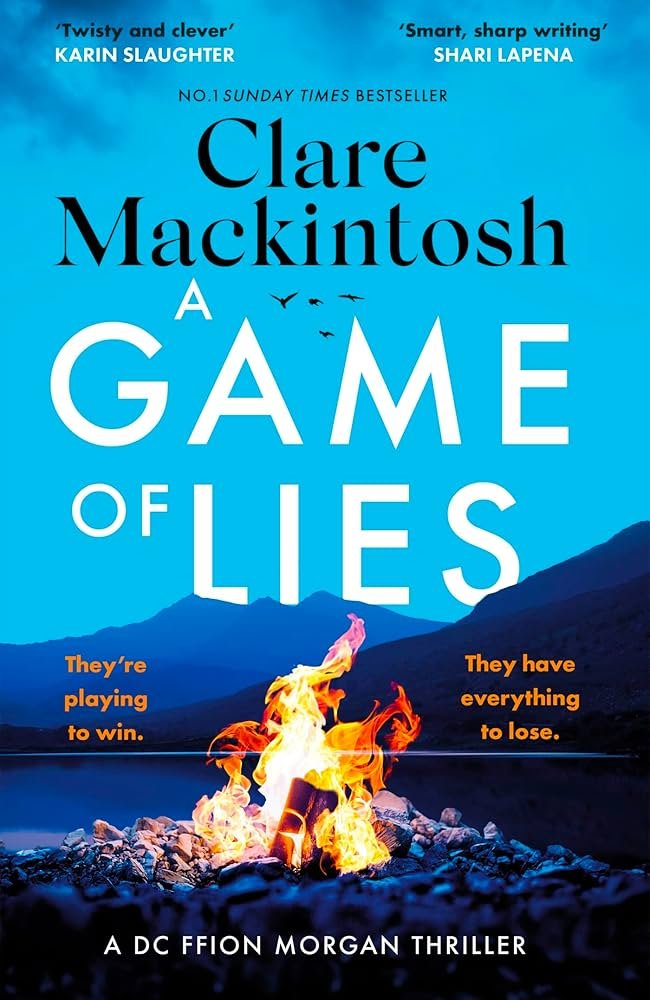
Clare Mackintosh – DC Morgan 02 – A Game of Lies (Audiobook)
Final Thoughts
Ultimately, interactions often involve subtle deceit. We navigate a complex web where truth bends. Recognizing this dynamic empowers you.
It’s often just a game of lies, a dance of carefully crafted words. Understanding this helps you approach communication more astutely. We must be mindful.

