
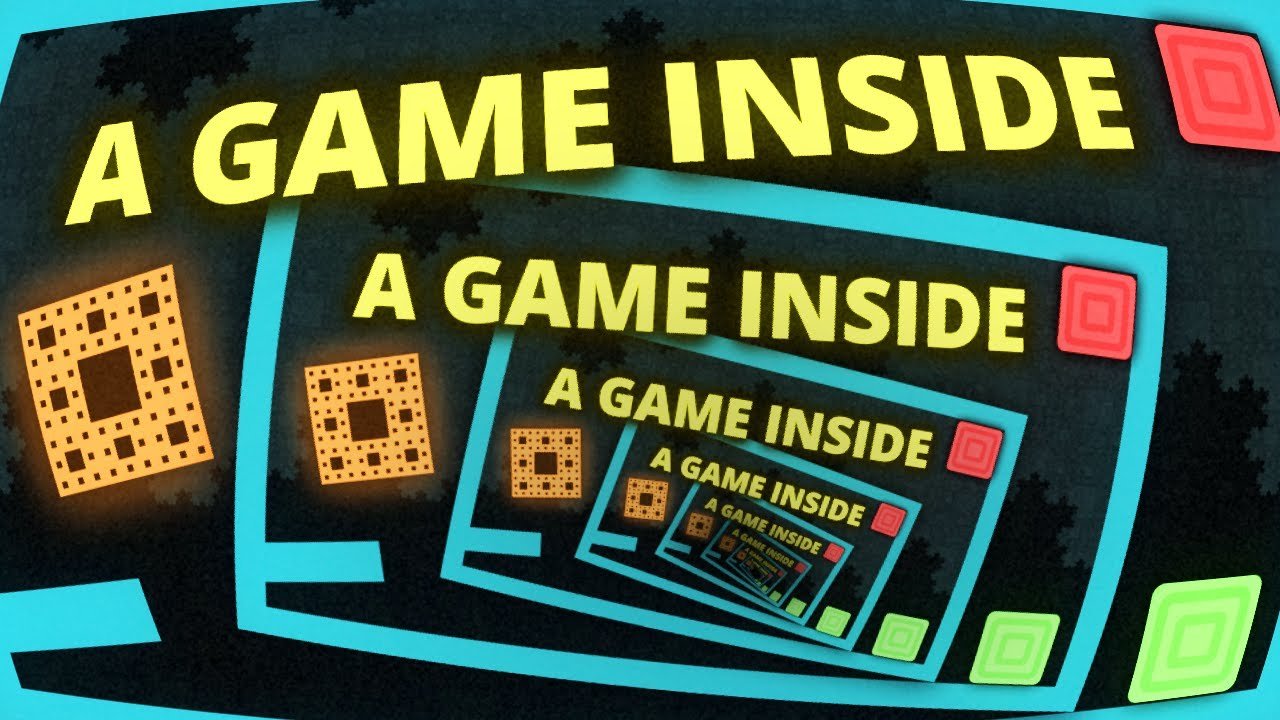
A game within a game typically involves a smaller, self-contained activity or challenge that exists within the larger gameplay structure.
Ever felt like you’re playing a game, but then suddenly find yourself facing a completely different challenge inside it? That’s the essence of a game within a game, a fascinating design concept that adds layers of complexity and intrigue. It’s like finding a hidden level within your favorite game.
This nested structure often provides a change of pace or an alternative objective. Developers use this to surprise players, introduce new mechanics, or offer a different narrative approach. It can keep things interesting and boost the overall entertainment.

A Game Within a Game: Exploring Layers of Play
Ever imagine playing a video game where, inside that very game, there’s another, smaller game? It’s like finding a secret level, but instead of a new area, you get a completely different way to play! This idea is called “a game within a game,” and it’s a super cool way that game developers add extra fun and surprises for players. It can make games more interesting and give us a lot more to do than just one main quest.
Why Put a Game Inside a Game?
Adding a mini-game, or a smaller playable experience, inside a larger video game is more than just a fun gimmick. It can serve different purposes and benefits, enhancing our overall playing enjoyment. Let’s look at some of the common reasons developers use this technique:
- To Break the Monotony: Sometimes, a game’s main gameplay can become repetitive. A mini-game acts as a change of pace, preventing boredom. It’s like having a refreshing drink after a long run.
- To Provide a Reward: These mini-games can be a way for the main game to provide players with valuable resources, upgrades, or special items. It creates a fun way to earn progress in the main gameplay.
- To Add Lore or Story: Some mini-games might offer a deeper look into the game’s world and backstories. They might help flesh out the game characters and their past or reveal important information about the game’s universe.
- To Offer Skill Challenges: Some mini-games are harder than the base game, providing an extra challenge that can appeal to players who like to test their skill. They can be like boss battles but in a different game format.
- To Encourage Exploration: Developers might put these secondary games in hidden areas or as part of side quests, encouraging players to really explore the game environment.
- To add Nostalgia and Charm: These types of games might often be inspired from the older games that were in old video game history, to add some old feeling and charm for the players.
Types of Games Within Games
The form that a game inside a game can take are as varied as games themselves. Some are very simple, while others are quite complex. Here are a few common categories:
The Simple Minigame
These are quick, easy, and often repeated within the main game. They are meant for short bursts of fun and generally offer straightforward objectives. Think of activities like:
- Fishing: Cast a line and reel in fish, sometimes with different types and rarities. This is often a relaxing change from more action-packed gameplay.
- Lockpicking: Try to open locks with small timed movements or skill-based mini-games. It adds a puzzle element to exploring the game world.
- Card Games: Engage in simplified card games with easy rules. It can be a way to earn money or other rewards in the game.
- Shooting Galleries: Shoot targets to earn points or prizes. It provides a more arcade-style experience within the bigger game.
- Cooking: Use ingredients to cook food for healing purposes, some may have timed button press, which are mini challenges.
The Arcade Classic Homage
Some games feature fully playable versions of classic arcade games as a nostalgic touch. This can be something like playing a platformer like Mario in a game where the main theme is an RPG, it adds an interesting layer of fun and sometimes offers progression benefits.
The Full-fledged Mini-Game
These mini-games are complex, offering rich experiences that could be their own standalone games. They often include progression systems, special items, and even their own stories.
In-game Simulations
These allow the player to experience simulations of things, like driving a car inside the game, or even farming, and may have their own set of rules and objectives.
Examples of Great Games Within a Game
Let’s dive into some popular games that have mastered the art of incorporating other games and making them a memorable part of the gameplay experience.
Gwent in The Witcher 3: Wild Hunt
Perhaps one of the most famous examples of a game within a game is Gwent in The Witcher 3. This collectible card game isn’t just a side activity; it is a crucial element for many players. Gwent has its own rules, factions, cards, and even its own in-game tournaments. You can easily spend hours just playing Gwent, completely forgetting about the main storyline. Players create unique decks and participate in tournaments to earn in-game rewards, it is engaging and gives a lot more depth to the game universe.
- Strategic Gameplay: Gwent requires careful planning and the right card combinations, making it a challenging and rewarding experience.
- Collection Aspect: Finding rare and powerful cards becomes a fun side quest in itself.
- Story Connections: Gwent is woven into the game’s narrative. Different characters can be challenged to a Gwent game, and winning can sometimes yield rewards, information or access to new locations.
Chocobo Hot and Cold in Final Fantasy VII
In this mini-game, players ride a Chocobo and search for hidden treasure using clues based on the temperature of the bird’s feathers. It is a fun way to explore the world of Final Fantasy VII while finding special items for the main quest.
- Exploration Focus: Chocobo Hot and Cold encourages you to go to every corner of the game world.
- Treasure Hunting: The reward of finding hidden treasures makes the activity worthwhile.
- Fun Pacing: This light-hearted activity offers a change from the typical RPG battles.
The Various Mini-games of the Yakuza Series
The Yakuza series is known for its over-the-top characters and the diverse city that you explore, but also for the huge number of mini-games and side activities available to the players. The series is a prime example of a game that utilizes its secondary activities to enrich the gameplay, and these are not just quick short activities but instead fully designed side activities that can easily take up large number of hours of the players. From Karaoke and darts, to managing a hostess club or playing classic arcade games, the Yakuza series offers a ton of different experiences.
- Variety of Activities: This series does not limit the players with small activities, but offers various games from sports to business simulation
- Character building: Playing these side games and completing side missions helps to build connections with in-game characters.
- Side Content: It gives players additional stuff to do besides the main story, increasing game replay value.
Triple Triad in Final Fantasy VIII
Like Gwent, Triple Triad is a card game that is very popular within Final Fantasy VIII. It’s a grid-based card game that involves placing cards strategically to claim squares on the board. The game’s rules add an interesting depth, and its addictive nature made it very popular within the game.
- Strategic Depth: The game required players to plan ahead and use their card abilities to win.
- Collectible Cards: Players can find, win or transform enemy cards, which added a collecting element in the game.
- In-game Rewards: winning matches gave players access to rare and powerful items, increasing the overall game experience.
The Hacker Puzzles in BioShock
In BioShock, hacking mini-games are the means by which the player interacts with the security systems, and this is done via a plumbing-based puzzle mini-game, it is a unique way to approach the puzzle mechanic and adds a refreshing way to challenge the players.
- Puzzle Element: It gives an engaging experience to the players to find solutions for complex circuits.
- Progression Element: Players need to hack systems to get through doors, obtain upgrades and access different places.
- Tension Building: Hacking under pressure, especially during combat, adds an extra layer of challenge and tension to the gameplay.
The Retro Games in Watch Dogs Legion
Watch Dogs Legion featured retro games that can be played in hidden locations in the game map. Games like “Achtung die Kurve!” and “Zombie HQ” are playable as mini games to provide a retro experience for the players in this open-world game.
- Nostalgic Fun: The games give a nostalgic fun time for players who are aware of these games.
- Hidden Content: These games are usually hidden inside the game map which motivates players to explore the game thoroughly.
- Easy to Play: The games are usually easy to learn and are quick to play.
The Appeal of a Game Within a Game
So, what is the charm that attracts us to these games within games? It comes down to a few key things that makes games more appealing.
- Variety and Surprise: They help us experience different types of gameplay within a single game and offer a fun surprise for the players.
- Added Value: Mini-games make the overall game feel more complete and give more value for money for the players.
- Unique Gameplay: They offer experiences we don’t get from the main game, making gameplay more unique.
- Deeper Engagement: They give us more to explore and can offer an opportunity to connect to the characters on a personal level.
- Personalization and Customization: The more games a game features, the more customizable and personalized it is.
How “Games Within Games” Impact Game Design
The inclusion of a playable game inside a larger one is not just a random thing, it has a big impact on how games are designed. Game developers have to consider many aspects when deciding to put games within games.
Balancing Gameplay
One of the crucial things is that the secondary games don’t take away from the main game experience. They should be balanced in such a way that they feel like a fun activity instead of a forced side quest that the player has to engage in.
Integration With Main Game
These mini-games need to feel like a natural part of the overall gameplay. They should not feel too random or out of place. If they’re well integrated into the story or world, they’re more fun and immersive.
Player Enjoyment
Ultimately, the success of these games is determined by player enjoyment. Developers need to make sure that these extra games are fun, rewarding, and not too difficult or boring. They have to consider the fun and enjoyment of the player and not introduce extra games for the sake of it.
Accessibility
Developers should also consider that the mini-games are accessible to all players and that the rules are easy to learn and enjoy. They should not add to the frustration of the players but instead offer a fun experience for them.
The Future of Games Within Games
The idea of games within games is likely to stay as a popular feature in video games in the future, and developers are likely to come up with even more exciting, creative and complex ideas to incorporate games within games. With the upcoming advancements in technology, like VR or AR, these kinds of mini-games can become even more immersive and bring a whole new level of experience for the players.
It is certain that these types of games will continue to surprise and engage the players, making their overall experience a lot more fun and unforgettable.
In summary, a game within a game is a creative and fun way to enhance the gameplay, adding layers of enjoyment for the player. Whether it’s a quick mini-game or a full-fledged experience, these secondary games add more variety, surprises, and depth to the games we enjoy.
I Made a Game Inside a Game Inside a Game Inside a Game…
Final Thoughts
Ultimately, the true appeal lies in finding ‘a game within a game.’ We explore layers, seeking hidden challenges. This often intensifies the experience.
This concept requires strategic thinking, going beyond simple goals. It changes how we interact with content. The added complexity is a must for some players.

