
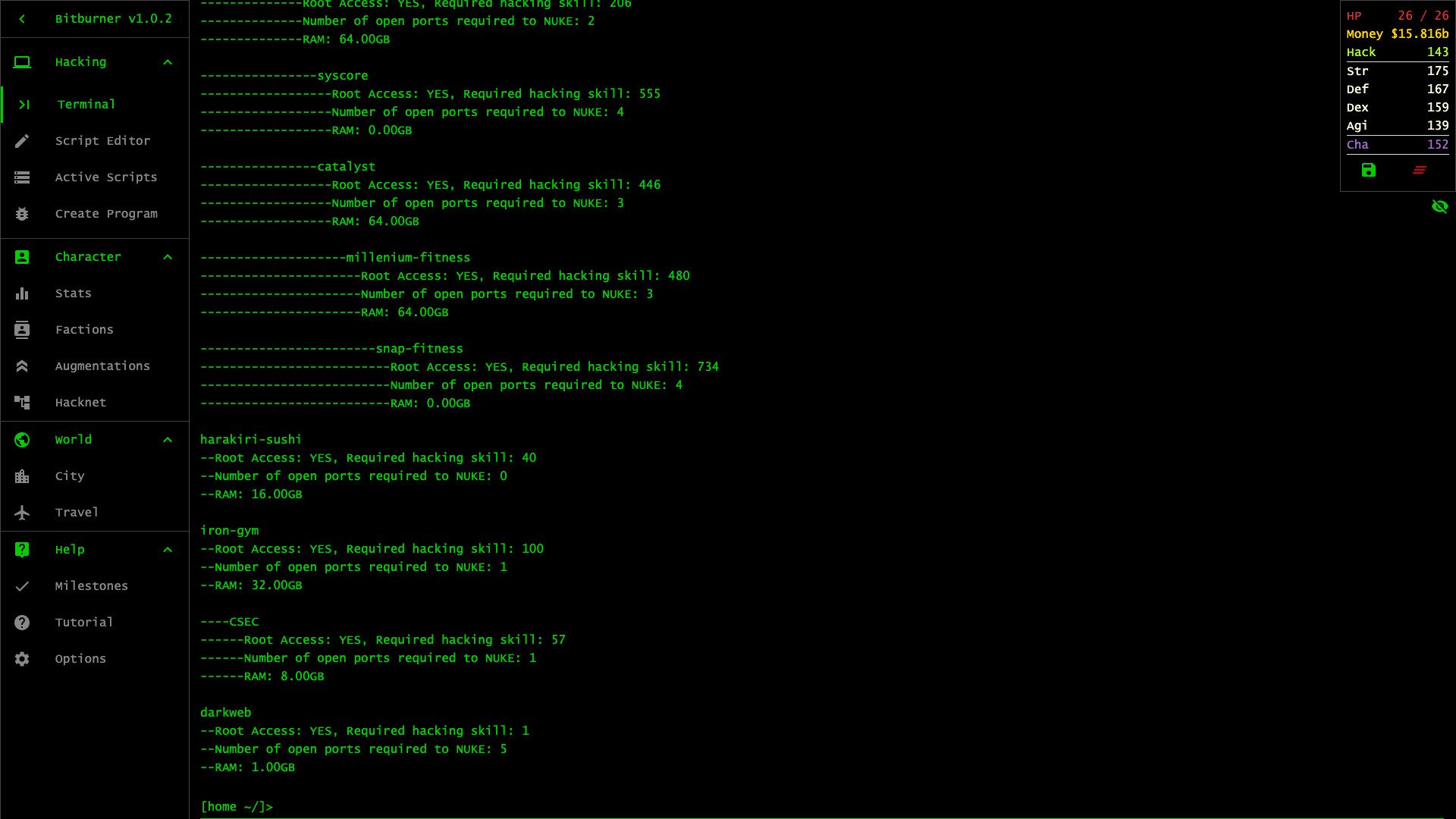
A hacking game simulates the experience of penetrating computer systems, often presenting challenges like password cracking and network analysis.
Have you ever wondered what it feels like to be a cyber expert, navigating digital mazes? Many people are curious about this. A hacking game provides a safe and engaging way to explore those experiences. These games present puzzles that mirror real cybersecurity challenges.
They can teach you the basics of network security and coding. They give you a glimpse into the world of penetration testing. Players can learn by doing, without any actual risk.

Diving Deep into the World of a Hacking Game
Ever wondered what it’s like to be a super-smart computer whiz, cracking codes and solving digital puzzles? Well, a hacking game lets you do just that – without any real-world risk! It’s like stepping into a digital world where you’re the main character, using your brainpower to overcome challenges. These games are a lot more than just button-mashing; they require strategy, thinking ahead, and sometimes a little bit of sneaky problem-solving. Let’s explore this exciting world together.
What Exactly is a Hacking Game?
At its core, a hacking game simulates the experience of hacking into computer systems. It’s a virtual playground where you learn the concepts and techniques used by hackers, both good and bad. These games often present you with puzzles, challenges, and scenarios that involve bypassing security measures, finding hidden information, or controlling virtual networks. They’re not about breaking into real websites or systems; instead, they provide a safe and fun way to explore the world of cybersecurity and computer science.
Different Types of Hacking Games
Hacking games come in many shapes and sizes. Here are some common types you might encounter:
- Puzzle-Based Hacking Games: These often involve deciphering codes, solving logic problems, or figuring out password patterns. It’s like being a detective, but with computers! Think of it as a digital escape room.
- Simulation Games: These try to recreate a realistic hacking environment. You might be setting up networks, defending against attacks, or testing system weaknesses. It feels like you’re working as a real-life cyber security expert.
- Text-Based Hacking Games: In these games, you interact with the world through text commands. You type instructions to move around the system, search for files, or crack passwords. They can feel like reading an interactive story.
- Strategy-Based Hacking Games: Here, you might manage a team of hackers, plan sophisticated attacks, or build defenses against cyber threats. It’s all about strategy and outsmarting your opponent.
- Capture the Flag (CTF) Games: CTFs are popular competitive hacking games. The goal is to find hidden “flags” (pieces of information) by exploiting weaknesses in a system. They can be played individually or in teams, and they’re a fun way to test your skills against other players.
Why Play a Hacking Game?
Hacking games aren’t just about fun and games. They offer lots of benefits:
- Learning About Cybersecurity: You learn about common hacking techniques, network protocols, and different types of software vulnerabilities. It’s a great introduction to the world of cybersecurity.
- Improving Problem-Solving Skills: Many hacking games require you to think creatively, analyze problems carefully, and develop smart strategies to overcome challenges.
- Enhancing Logical Thinking: Deciphering codes and finding patterns helps improve your logical reasoning.
- Developing Technical Skills: You might learn how to use command line interfaces, understand network traffic, or write basic scripts—all valuable skills in the digital world.
- It’s Fun and Engaging: Let’s face it, they’re exciting! The feeling of cracking a tough code or bypassing a system is very satisfying.
Hacking Games as Educational Tools
Many schools and universities now use hacking games as a way to teach about cybersecurity. They allow students to learn by doing. Rather than just reading about network security, they can practice those skills in a safe and controlled space. These interactive learning experiences make complex topics easier to understand and remember. They also offer practical experience in a fun way that textbook learning often struggles to provide.
Key Concepts You’ll Encounter in Hacking Games
As you dive deeper into the world of hacking games, you’ll come across some common themes and techniques. Let’s explore a few:
Command Line Interface (CLI)
The command line is how you talk to the computer directly by typing commands instead of using a mouse. Many hacking games use a command line interface, which may seem intimidating at first, but it becomes easy to understand with practice.
You might need to use commands like “cd” (change directory) to move through folders, or “ls” (list) to see what files are there. Don’t worry, most games guide you through this process. It is a basic fundamental for understanding how computer works behind the graphical interface.
Network Fundamentals
Understanding how networks work is really important for hacking. You’ll often see concepts like IP addresses, ports, and protocols in games. An IP address is like a house number for a computer on the internet, and ports are like different doors for the house. Protocols are the rules for how computers communicate. Learning about them helps you understand how data moves around and where possible weaknesses are located.
Cryptography
Cryptography is the art of writing and solving codes. This will often be used in puzzles that require you to decrypt messages. You might learn about different encryption methods, such as substitution ciphers or more complex algorithms. It’s a very important skill for keeping information secure. It also adds a layer of fun and strategic thinking to hacking games.
Password Cracking
Many games challenge you to bypass login screens or reveal hidden passwords. You might use techniques such as guessing common passwords, dictionary attacks (trying a list of words), or brute force attacks (trying all possible combinations). Understanding how these attacks work is very important for understanding good password security. It shows why strong, unique passwords are so important.
Vulnerabilities and Exploits
A vulnerability is a weakness in a computer system, like a broken lock on a door. An exploit is a technique used to take advantage of that weakness. In hacking games, you might have to find or develop exploits to get past security measures. Learning about different types of vulnerabilities is really important in cybersecurity.
Finding the Right Hacking Game for You
With so many options available, it’s important to pick a game that suits your interests and skill level. Here are some tips:
- Start Simple: If you’re new to hacking games, look for games that are beginner-friendly. These games will ease you into concepts and techniques without making it too complex from the very beginning.
- Read Reviews: See what other people say about the game. Look for opinions on its difficulty, user experience, and whether they found it fun and educational.
- Try Demos or Free Versions: Many games offer demos, free trials or have free to play options. This lets you check out if a game is something you’d enjoy.
- Consider Your Interests: If you enjoy puzzles, look for puzzle-based games. If you prefer action, you might like simulation games.
- Look at the Platform: Make sure the game runs on your computer or device. Some games are on computers and others on mobile.
Hacking Game Communities
A big part of the fun can be joining a community. Many hacking games have forums, online discussions, or even discord servers where you can connect with other players. This is a great way to ask for help, share your experiences, and learn from other players. These communities can also be a great resource for learning new hacking skills.
The Ethics of Hacking Games
Hacking games are a safe and ethical way to explore cybersecurity, because they are a simulated environment. It’s important to know that the skills you learn in these games shouldn’t be used for real-world malicious activities. Remember, real-world hacking without permission is illegal and can harm people. So keep hacking in the virtual world, and not in the real world.
Ethical hacking, also known as “white hat hacking”, is about using your skills for good, such as finding weaknesses in systems so they can be fixed. This is very different than “black hat hacking”, where people try to cause damage or steal information. It is also very important to have this clarity while you’re trying hacking games.
Popular Hacking Games
There are many great hacking games out there, both free and paid. Here are a few popular ones that you can find online:
- Hacknet: This game gives you a text-based terminal, where you feel like you are a real hacker
- Uplink: An older game but a classic, you are a computer hacker doing jobs for different groups.
- TIS-100: This is a very advanced puzzle game where you have to program virtual computers
- NITE Team 4: This game is a simulation of international cyber warfare.
- Bandit (OverTheWire): This is a very basic CTF game for learning Linux fundamentals.
- TryHackMe and HackTheBox: These are platforms which offer many different vulnerable virtual machines. You will learn a lot while competing with other players.
Beyond Gaming: Real-World Applications
The skills you develop in hacking games can be very helpful in real life. These are skills like critical thinking, problem-solving, and an understanding of technology. People who play these games often have a good foundation for careers in cybersecurity, software development, and other technical fields. These games are a very good and fun way to learn important tech concepts.
Hacking games help you understand the world around you. Because the modern world is dependent on technology, the importance of security is growing more every day. These games are a great tool for helping you be more mindful of security in your digital life. You may also become a more critical thinker about technology in general.
In conclusion, a hacking game provides a fun, safe, and educational way to explore the world of cybersecurity. They aren’t just for experts; anyone can enjoy the challenge of solving puzzles, discovering secrets, and learning about how computers work. They inspire curiosity and problem-solving, and also can even be a starting point for a career in technology. So why not try one out and see where your digital adventures take you?
Roblox Hackers ACTUAL Real NAMES ⚠️😱
Final Thoughts
This game presents engaging puzzles, requiring players to think strategically. It tests problem-solving capabilities within a simulated environment. Players learn network security principles through interactive challenges.
Therefore, if you enjoy a mentally stimulating experience, consider a hacking game. It offers a unique way to explore digital landscapes and refine your skills. This game is certainly worth checking out for any tech enthusiast.

