
The Rune Factory games are connected through shared world elements, recurring characters, and references, but each title generally tells a self-contained story.
Ever wondered if you missed something between those charming Rune Factory adventures? Many players ask, “are the Rune Factory games connected?”. Well, it’s a bit more complex than a simple yes or no.
While each game presents its own unique storyline and protagonist, they exist within the same world. Familiar faces often pop up, hinting at a larger, interconnected narrative. You’ll find some games make direct references to past events and locations.

Are the Rune Factory Games Connected?
Okay, let’s dive into the wonderful world of Rune Factory! You might be wondering, are all these games part of one big story? It’s a question many fans ask. The answer isn’t always simple, so let’s explore how the Rune Factory games are linked, or not linked, to each other.
The Basic Answer: Loose Connections
The short and sweet answer is: most Rune Factory games aren’t directly connected by a single, continuous storyline. Think of them more like different stories happening in the same universe, or maybe like different fairy tales with similar themes. They often share common elements, characters, and places, but each story stands on its own. This means you can play them in any order you like without feeling lost, which is super convenient! For example, you can enjoy Rune Factory 5 without having played any other Rune Factory game.
Shared World Elements
Even if the stories aren’t always directly connected, the games share a lot of common ground. This is what makes it feel like they are part of the same world. Here are some of the shared elements you’ll see across different Rune Factory titles:
- The World of Norad: Most Rune Factory games take place in a land called Norad, or at least a part of it. This gives a sense of consistency and allows us to see different regions within the same world. We have places like the Adorable town of Kardia and the bustling town of Rigbarth. Each area has its unique look and feel.
- Magic and Runes: The games all have a strong focus on magic and runes as a power source. These magical elements blend with farming and combat, making the Rune Factory series unique. You will see similar magic spells and items throughout the games.
- Monsters: Many of the monsters you face in one Rune Factory game will appear in others. While some may look slightly different, their core nature and what they are, remains the same. The way you fight them is also similar.
- Similar Item Sets: Many items, like tools, weapons, and crafting materials, show up again and again in the Rune Factory games. This helps players feel comfortable jumping into a new title. You will be familiar with the different types of crafting materials, food and weapons.
- Recurring Characters: Certain characters or their descendants reappear throughout the series, sometimes as major figures, other times as simple cameos. These recurring characters create a fun sense of continuity. These characters might have a different role, or perhaps be a little different, but you will recognize them.
Rune Factory: A Deeper Look at the Connections
Let’s dig a little deeper into some specific connections between games:
Rune Factory 1, Frontier, and Tides of Destiny: A Shared Legacy
The first Rune Factory game, sometimes referred to as Rune Factory: A Fantasy Harvest Moon, starts the story of Raguna who loses his memory and ends up in a new town. The core gameplay of combining farming, battling, and relationships was established in this first game. Now, let’s consider Rune Factory: Frontier. It directly follows Rune Factory with Raguna making a return as the main character. This is the first game in the series with a direct connection between stories.
Then, Rune Factory: Tides of Destiny, while not a direct sequel, is set on the same world and references events of both Rune Factory and Rune Factory: Frontier. It features the return of some characters, and the general history and lore are consistent with the other two. This trio of games feels the most interlinked of all the Rune Factory titles, although Tides of Destiny is still very much a self contained story.
Rune Factory 2 and Rune Factory 3: The Next Generation
Rune Factory 2 has a unique approach. It follows two main characters, one after another. First the main character Kyle. Later the story shifts to his child, Aaron. The game also introduces new characters and a new region, but you might notice some familiar faces, places or even a slight reference to the previous story. However, it doesn’t continue the storyline in a strict direct sequel manner.
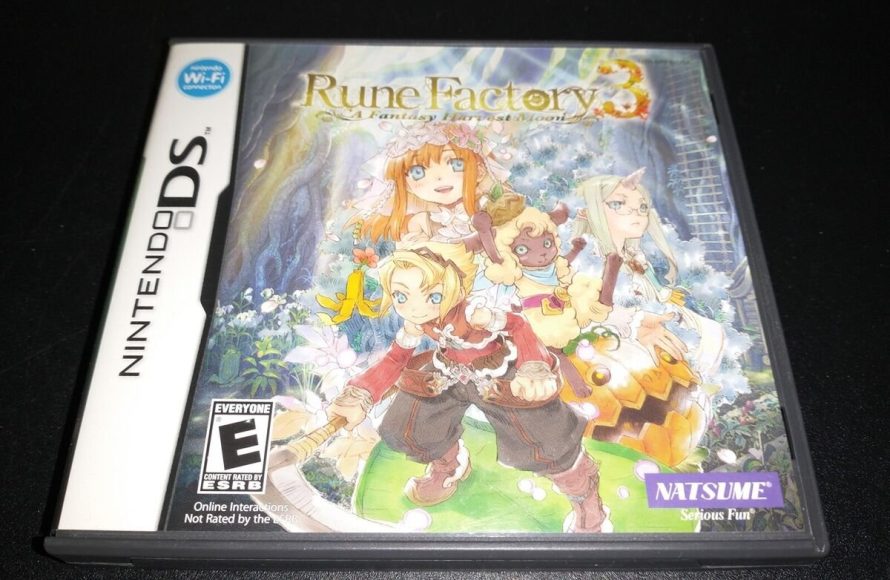
Rune Factory 3 also introduces a new story in a new area, with a new main character Micah. The connections with the other games are more subtle, with the lore and world feeling very familiar, with some hints and references towards Rune Factory 1 and 2. The game is a standalone story, not tied to any specific events of the earlier titles.
Rune Factory 4 and Rune Factory 5: Independent Tales
Rune Factory 4 is probably one of the most popular games in the entire series. This time you play as either Lest or Frey, another main character that lost their memory. While it has the Rune Factory signature style of farming, fighting and romance, the overall story has little to do with any of the others. There are some references to the wider Rune Factory world, with familiar characters making an appearance. But the story is a complete standalone adventure.
Rune Factory 5 follows in Rune Factory 4’s footsteps. It presents another completely new character, Alice or Ares, who has lost their memories. The setting is new, the characters are new, and the overall story is new. It is set within the same world and some elements from past games will be present. You might even see a returning character or two, but the connection is very minor, with a story that is again completely standalone.
A Table of Connections
Let’s make it easier to understand. Here is a quick table summarizing the main connections between the core Rune Factory games:
| Game | Direct Story Connection? | Shared World Elements |
|---|---|---|
| Rune Factory | No direct connection to previous titles. Beginning of the series. | All of them |
| Rune Factory: Frontier | Direct sequel to Rune Factory with the same protagonist. | All of them |
| Rune Factory: Tides of Destiny | Set in the same world, shares characters and references with 1 and Frontier. | All of them |
| Rune Factory 2 | Loosely connected to others, story is standalone, but with some references. | All of them |
| Rune Factory 3 | Standalone story, some references and shared world elements. | All of them |
| Rune Factory 4 | Standalone story, some references and shared world elements. | All of them |
| Rune Factory 5 | Standalone story, some references and shared world elements. | All of them |
Why Loose Connections?
You might be wondering, why not have a single, connected storyline? There are several good reasons why the series has loose connections:
- New Players Welcome: This approach allows anyone to jump into the series with any game and not feel lost, which is super helpful. A new game is designed to be its own experience and story, not reliant on previous titles.
- Fresh Stories: Having the freedom to create new narratives allows the developers to explore different characters, themes and regions within the world of Norad. This allows for constant creativity.
- Standalone Experiences: Each game is designed to be a complete experience that will be great on its own, rather than rely on other titles.
The Feel of the Rune Factory World
Even with the loose story connections, the games all feel like part of one big universe. It is the shared world, the monsters, the magic, and the recurring elements that create the feeling that they are connected. The feeling of these games is something special that you will understand once you play any of them. The charm, the music, and the general atmosphere are very consistent throughout the series.
Each game, while different, always feels like ‘Rune Factory’, thanks to shared game mechanics, similar crafting system, combat, characters, world design, and even art and music. You can easily play the games one after another and instantly feel at home in them, even if the story is completely new.
What Does it Mean for You as a Player?
So, what does all this mean for you? Here’s the important takeaway: you can enjoy any Rune Factory game, at any time. You don’t need to worry about playing them in a particular order to understand the plot. If you have just completed Rune Factory 5, you can go back and enjoy Rune Factory 4, with no risk of being lost, or having your enjoyment reduced. It is a series that you can play in any order.
Each Rune Factory game brings its own unique storyline, cast of characters, and challenges. Even if some games share elements, each game will have a different feeling to it, and new experiences to share. This freedom to jump around is one of the reasons the series is so great. Pick the one that looks best to you, or pick up the one that is the most recent release.
Ultimately, while the Rune Factory games aren’t tightly woven into a single narrative, they are all part of a fantastic and wonderfully crafted world. You’ll find familiar monsters, similar magic, and recurring characters that will give you a feeling of familiarity with each new title. Enjoy your adventure through the world of Rune Factory!
This Game Is a Combination of Rune Factory and Story of Seasons!?
Final Thoughts
The Rune Factory games share thematic connections and recurring elements, like the same world. But the stories, locations, and characters largely remain separate. While you might recognize a familiar race or item, a direct narrative link is generally absent.
Therefore, are the Rune Factory games connected? Not in a strictly linear or sequential way. Each title provides its own self contained adventure. You do not need to play them in a specific order.

