
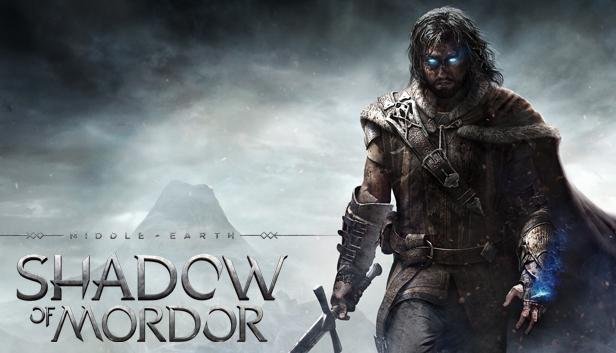
The Shadow of Mordor games are not considered canon within the main Tolkien narrative.
The question of whether are the shadow of mordor games canon often sparks debate among Tolkien fans. These games, with their engaging nemesis system and action-packed gameplay, weave a unique story around Middle-earth. But this narrative diverges from Tolkien’s established lore.
While entertaining, they present an alternative interpretation of events and characters. This difference places them outside the official continuity. So they are a fascinating, non-canonical exploration.

Are the Shadow of Mordor Games Canon?
Let’s dive deep into the exciting world of Middle-earth and talk about something that many fans wonder: Are the Shadow of Mordor and Shadow of War games part of the official story, or “canon,” of J.R.R. Tolkien’s legendarium? It’s a question with a lot of different answers and opinions, so let’s explore it together!
Understanding Canon in Middle-earth
Before we can figure out if the games are canon, we need to understand what “canon” even means in this context. In simple terms, canon refers to the official, accepted storyline and events that make up the world. For Middle-earth, the main canon is considered to be what Tolkien himself wrote in his books like The Hobbit, The Lord of the Rings, and The Silmarillion. Think of it like the original blueprints for the world.
What is Considered Canon?
- Tolkien’s Published Works: These are the primary source of canon. This includes The Hobbit, The Lord of the Rings trilogy, and The Silmarillion (published by his son, Christopher Tolkien, after his death). These books lay down the history, characters, and rules of Middle-earth.
- Tolkien’s Notes and Letters: While not primary sources like the books, Tolkien’s notes and letters often clarify certain points and sometimes expand the universe’s lore. Some of these have been used to further clarify the canon, but sometimes it is still debateable.
- Approved Adaptations: In some franchises, authorized adaptations like movies or TV shows are considered part of the overall canon. However, for Middle-earth, that isn’t always the case. Peter Jackson’s movies, for example, are generally regarded as adaptations based on the books, rather than canon, having made significant changes to fit the screen.
Shadow of Mordor: A Different Kind of Story
Now, let’s look at Shadow of Mordor. This game, released in 2014, puts you in the shoes of Talion, a ranger who is fused with the spirit of the Elf lord Celebrimbor. Together, they seek revenge on Sauron and his forces. The game introduces a fascinating new gameplay mechanic called the Nemesis System, which creates unique Orc captains and Warchiefs that remember your actions and develop rivalries.
Key Differences from Tolkien’s Works
While Shadow of Mordor uses the setting and many characters from Tolkien’s world, the story itself doesn’t align perfectly with the established lore. Here are some major points of divergence:
- Talion’s Existence: Talion is a completely new character created for the game and doesn’t appear anywhere in Tolkien’s writings. A ranger going on a revenge spree in Mordor, fused with an Elf lord, was not a story element that existed before.
- Celebrimbor’s Role: Celebrimbor, the Elf who forges the Rings of Power, is a character in Tolkien’s books but his story in the games is significantly altered. In the books he was a tragic victim of Sauron. In the games, he is more of an active player in the events of Mordor.
- The Nemesis System: This system, which is a core part of the game, does not fit within Tolkien’s written lore at all. No Orc has the capacity to remember defeats, strategize, and develop such complex relationships with a ranger, which is outside of the established nature of the creatures in canon.
- The Nazgûl: In the game, Talion encounters and even controls some of the Nazgûl, the Ringwraiths. While powerful, in the lore these Ringwraiths are much more bound to Sauron’s will. The idea of the Nazgûl being manipulated in this way is not within the canon.
- Power Dynamics: The game sometimes plays with power dynamics in ways that conflict with Tolkien’s worldbuilding. The idea that an Elf and a human could amass so much individual power as seen in the game is not in line with the Middle-earth’s lore.
Shadow of War: Further Deviations from Canon
The sequel, Shadow of War, takes the story even further. Talion and Celebrimbor forge a new Ring of Power and try to build an army to challenge Sauron. This game expands the world, adding more new characters, powers, and lore elements. However, it continues to deviate even more from the canon than the first game.
Specific Examples of Divergence in Shadow of War
- The New Ring of Power: In Tolkien’s stories, only Sauron could create the Rings of Power. The idea of another ring created by an elf and human and capable of controlling the others is a huge shift from the established rules.
- Shelob as a Humanoid: In the game, Shelob, the giant spider, takes on a humanoid form. This is a huge departure from her monstrous form in Tolkien’s lore.
- Talion’s Army: The idea that Talion, Celebrimbor, and their orc army could pose a direct threat to Sauron in the scale seen within the game, goes against established canon. Sauron is always shown as a powerful and dominating figure, whereas in the game, Talion can directly stand against him.
- The Fall of Minas Ithil: The game depicts the fall of Minas Ithil in a way that isn’t completely consistent with the lore of how the city fell to become Minas Morgul.
- Control Over Nazgûl: Again, in Shadow of War, players are given control over the Nazgûl, something that is not consistent with the powerful and enslaved forces found in Tolkien’s books.
The Purpose of the Games: Entertainment vs. Faithful Adaptation
It’s important to remember that the Shadow of Mordor and Shadow of War games were primarily created for entertainment. They are designed to be engaging and fun, even if it means making some changes to the existing lore. The game developers took inspiration from Tolkien’s world but didn’t aim to create a perfectly faithful adaptation of the books. They wanted to tell their own story within that world.
The Games as “What If” Scenarios
Think of the games as “what if” scenarios. What if a ranger and an Elf lord teamed up to fight Sauron? What if a new Ring of Power was forged? This approach allows for a fresh take on the lore while still keeping the essence of Middle-earth. This allows players to see a different side of the Middle-earth while still remaining familiar.
Acknowledging the Differences
Most fans of both the games and the books recognize the differences. They often see the games as a fun diversion, a chance to explore the world in a new way. It’s perfectly okay to enjoy both the source material and the adaptation while understanding that they are not necessarily the same.
Developer Stance on Canon
The developers of the Shadow of Mordor games, Monolith Productions, have generally been very clear that they are not trying to pass these games off as being part of the official canon. They understand and acknowledge that these are their interpretations and extensions of Tolkien’s world and do not aim to replace, nor change, the source material.
Statements From the Developers
Monolith has stated that they took creative liberties with the lore to create the story they wanted to tell and make an engaging experience for the players. The developers have also expressed that the goal was to create something in the spirit of Tolkien, rather than attempting a strict retelling.
Fan Perspectives and Acceptance
The fan community has a wide range of views on the canonicity of the games. Some fans completely separate the games from the books, treating them as fun, non-canon expansions. Other fans enjoy the games but are clear on their differences from the lore. There are also those who feel that any story within Middle-earth is a valid part of the experience, even if not part of the official canon.
A Spectrum of Opinions
Here are the common perspectives regarding the canonicity of the games:
- Separate Canon: Many fans treat the game series as an alternate or separate “canon”, allowing enjoyment without strict adherence to the source material.
- Non-Canon, but Enjoyable: Many accept the games as non-canon, while still appreciating them for the new and unique experience they offer.
- Personal Canon: Some fans find a way to integrate the games into their personal understanding of the Middle-earth, sometimes with their own interpretations.
Key Takeaway: The Games are Not Considered Canon
In conclusion, while the Shadow of Mordor and Shadow of War games are set within the world of Middle-earth and feature some familiar characters and locations, they are not considered part of the official canon of J.R.R. Tolkien’s works. These games tell a unique story with creative liberties, designed for entertainment rather than strict adherence to the established lore. They should be seen as an exciting expansion to the world and a fun way to engage with the Middle-earth, but not as part of the core story as Tolkien wrote it.
The games provide a fantastic experience and a fresh perspective, and acknowledging that they are not canon allows fans to enjoy them for what they are: A unique, exciting journey into Middle-earth that stands on its own while drawing inspiration from the original source.
How does Shadow of War and Shadow of Mordor fit into the Tolkien LotR Universe? | Lore (Spoilers)
Final Thoughts
Ultimately, the Shadow of Mordor games are not considered canon within Tolkien’s established lore. These games take creative liberties with characters and events. They exist as a separate, enjoyable experience.
While fun, the narrative and timeline do not align with the primary text. This must be understood when exploring the expanded world. So, when it comes to ‘are the shadow of mordor games canon’, the answer is a definite no.

