
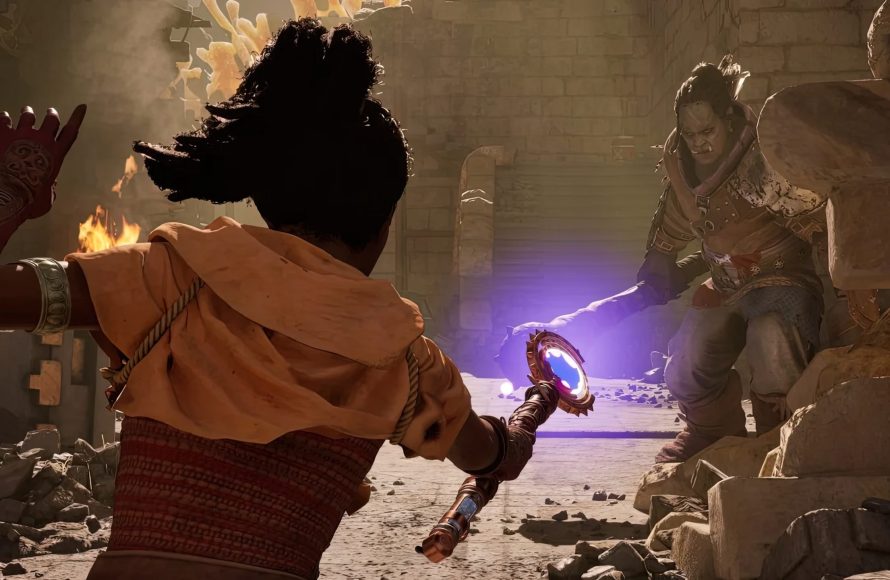
‘Avowed’ differentiates itself with its first-person perspective and action-focused combat, moving away from the party-based systems more common in other Obsidian games.
Obsidian Entertainment has a celebrated history of crafting engaging role-playing experiences, from the sprawling worlds of Fallout: New Vegas to the intriguing narratives of Pillars of Eternity. Players naturally wonder about an Avowed comparison to other Obsidian games. How does this upcoming title fit into the studio’s established portfolio?
It’s crucial to examine the ways in which Avowed charts a new course for the company, while still retaining elements that fans know and adore. Let’s dive into what makes it unique.

Avowed Comparison to Other Obsidian Games
Obsidian Entertainment has a fantastic track record, creating some of the most beloved and engaging role-playing games (RPGs) out there. With the upcoming release of Avowed, many fans are naturally wondering how it stacks up against their previous work. Will it feel like a spiritual successor to games like Pillars of Eternity or The Outer Worlds? Or will it forge its own unique identity? Let’s dive deep and explore these comparisons.
Setting and World Design
Obsidian is known for crafting rich and detailed worlds, and Avowed appears to be no exception. The game takes place in the Living Lands, a vibrant and dangerous realm within the same world as Pillars of Eternity, Eora. This already establishes a connection, as players familiar with Pillars might recognize locations, lore tidbits, and even some recurring creatures.
The Pillars Connection
Unlike The Outer Worlds, which was a science-fiction setting in a completely original universe, Avowed directly builds upon the fantasy foundations laid by Pillars of Eternity. You’ll see familiar architectural styles, gods, and magical systems. This connection offers a sense of familiarity while still offering brand new areas to explore. However, Avowed aims to provide a more action-focused experience than the slower, more strategic gameplay of Pillars. Think of it as visiting a favorite vacation spot after some renovations have been done – recognizable but with a fresh appeal.
Distinct from The Outer Worlds
While The Outer Worlds presented a bright, satirical sci-fi universe, Avowed takes us back to a more grounded, albeit magical, fantasy realm. Where The Outer Worlds focused on corporate greed and social commentary, Avowed seems to be focusing on the struggles between differing factions and the nature of the Living Lands. The visual design is also quite different, with Avowed opting for a grittier fantasy aesthetic compared to the vibrant, almost cartoonish style of The Outer Worlds. The world in Avowed is designed to feel alive, with weather and creature behaviors playing significant roles.
Combat Systems: Action vs. Strategy
One of the biggest differences between Avowed and previous Obsidian titles lies in its combat system. Let’s compare how Avowed handles fighting to other games in their portfolio.
Avowed’s First-Person Action
Avowed embraces a first-person perspective with a focus on action-oriented combat. This is a big shift from the real-time-with-pause style seen in Pillars of Eternity or the tactical gunplay of The Outer Worlds. Imagine a first-person perspective where you can wield swords, cast spells, and use firearms, all in a fast-paced manner. This change aims to make battles feel more visceral and engaging, requiring quick reflexes and tactical use of skills rather than strategic pausing and planning. The combat looks fluid, with options to mix melee, ranged, and magical attacks in exciting ways.
Pillars of Eternity’s Tactical Depth
In contrast, Pillars of Eternity and its sequel, Deadfire, featured combat that was more methodical. You controlled a party of adventurers, pausing the action frequently to plan each character’s moves. This system emphasized strategic positioning, spell combinations, and character builds. It was a thinking person’s combat system, rewarding careful planning over rapid reactions. It provided immense customization but at a slower pace than Avowed will provide.
The Outer Worlds’ Tactical Gunplay
The Outer Worlds had its own unique take on combat, with a focus on first-person shooting with light tactical elements. It encouraged players to exploit weaknesses, use consumables, and utilize special abilities. While faster-paced than Pillars, combat in The Outer Worlds was primarily ranged, with fewer options for melee and magical attacks. Avowed’s combat seems to lean more into the magic and melee aspects, but it also includes ranged and firearms options, offering players a greater diversity of fighting styles.
Role-Playing and Character Progression
Obsidian is known for games that allow players to create meaningful characters and shape the story through their decisions. Avowed continues this tradition, but with some significant tweaks. Here’s a look at how character progression and choices work compared to other titles.
Character Customization
Obsidian titles always provide great options for character customization at the beginning of the game. Although, Avowed doesn’t have the deep character creation system seen in Pillars of Eternity, which gave you a range of races, cultures and backgrounds, it does appear that Avowed will give you a solid level of freedom in creating your own character. Instead of picking a background, you’ll be playing as a special Envoy, a character from a different land with a unique set of skills. This change might mean the narrative leans more toward pre-set backstories, but it could also make each player’s character feel more integral to the story from the very beginning.
Skill and Ability Systems
Pillars of Eternity allowed players to specialize in multiple class paths, creating truly unique party compositions. However, in Avowed the skills and abilities are tied to different weapon types and magic schools. This system encourages experimentation with various combat styles. Instead of a wide variety of skill trees, Avowed will focus more on different fighting styles through weapons and magic. The Outer Worlds took a different approach, utilizing a skill system that was more tied to specific character attributes, with perks and abilities influencing gameplay styles. Avowed seems to combine elements of both, where characters’ abilities will improve based on which weapons they prefer to use and which schools of magic they learn.
Choice and Consequence
Meaningful choices and consequences are a hallmark of Obsidian games. Games like Fallout: New Vegas are famous for giving players tough moral dilemmas and shaping the world. Both Pillars of Eternity and The Outer Worlds followed this tradition. In Avowed, your decisions will influence your character’s reputation with the different factions. This can affect the availability of quests, characters who will interact with you, and ultimately the game’s ending. It seems likely that Avowed will continue the studio’s emphasis on making the player’s actions feel important.
Narrative and Storytelling
Obsidian is renowned for crafting rich, engaging narratives. Let’s see how Avowed stacks up against the studio’s other titles in terms of story presentation.
Storytelling Approach
Pillars of Eternity took a more traditional, epic fantasy route, dealing with complex themes of gods, souls, and destiny. Its story is delivered through a combination of dialogue, world building and character interactions. The Outer Worlds adopted a more satirical and darkly humorous tone, focusing on themes of corporate control, class disparities, and the consequences of unchecked capitalism. Its narrative is lighter in tone but still manages to make you think. Avowed seems to be blending elements of both, with a more serious tone than The Outer Worlds but without the complicated lore that Pillars had. Expect morally gray choices and characters with strong motivations. We can expect similar writing in terms of quality from the previous Obsidian games.
Character Interaction and Dialogue
Obsidian games have always had well-written and memorable characters. Fallout: New Vegas had some of the best-written characters in any RPG, and games like Pillars of Eternity and The Outer Worlds delivered excellent companions with unique perspectives and stories. While we know that companions will exist in Avowed, we don’t yet have all the information on them. We can expect that the characters will have strong personalities, unique questlines, and will react to player’s decisions, which is a staple of Obsidian games. You’ll have to work with them, and may have to overcome different moral choices together. Obsidian is known for its excellent dialogue trees that offer different ways to persuade characters to work with you. Expect this style of dialogue options in Avowed, giving you freedom to express your character and shape the story.
Visual Style and Presentation
How a game looks and feels is a big part of the overall experience. Let’s look at how Avowed visually differs from other Obsidian games.
Art Direction
Avowed appears to use a blend of realism with a fantasy style. This style is different from the isometric view of Pillars of Eternity and the semi-cartoonish feel of The Outer Worlds. Avowed’s visual style is designed to give you a sense of immersion in the game world. There is definitely a strong focus on environmental storytelling, with detailed architecture, lush forests, and imposing ruins to explore. The visual quality of the world in Avowed looks improved, making it a visually engaging experience.
First Person Perspective
The first-person perspective in Avowed is a major departure from the isometric camera angle of Pillars of Eternity. The choice in camera angle makes a big difference to how you play. The camera angle and focus change the flow of the game and it changes the feeling of the game as well. The first-person view in Avowed puts you right in the middle of the action, which can make battles feel more exciting and immersive, but may also limit your situational awareness. The Outer Worlds also used a first-person perspective, but that game had a greater focus on ranged combat. Avowed’s first person approach encourages melee fighting and puts you closer to the action. This also will enhance the magical aspect of the game in a more impactful way.
Here’s a Table Summarizing the Key Differences:
| Feature | Avowed | Pillars of Eternity | The Outer Worlds |
|---|---|---|---|
| Setting | High fantasy in Eora’s Living Lands | High fantasy in Eora | Satirical sci-fi in a new galaxy |
| Combat | Fast-paced, first-person action with melee, ranged, and magic. | Tactical, real-time-with-pause, party-based. | First-person shooting with tactical elements. |
| Perspective | First-person | Isometric, top-down | First-person |
| Character Progression | Weapon-based skills and magic schools. | Complex class system with multi-class options. | Attribute-based skills and perks. |
| Storytelling | Morally gray choices, faction conflict, mystery. | Epic fantasy dealing with gods, souls, and destiny. | Satirical humor with corporate control and social issues. |
| Visual Style | Gritty fantasy with a blend of realism. | Hand-painted isometric style. | Bright, slightly cartoonish sci-fi. |
In conclusion, Avowed is clearly taking some significant steps away from the familiar formula seen in other Obsidian titles. While it shares the DNA of its predecessors in terms of deep lore and meaningful choices, its focus on first-person action and faster-paced combat sets it apart. Whether these changes resonate with fans remains to be seen, but one thing is for sure: Avowed is shaping up to be another intriguing and ambitious RPG from Obsidian Entertainment.
Avowed: We Finally Played Obsidian’s Latest RPG and It’s Fantastic
Final Thoughts
Avowed’s gameplay shares some common elements with past Obsidian titles, particularly with its combat mechanics. Many players see the distinct first-person perspective as a major departure from what they have come to expect. The world-building feels immersive and the story shows a lot of promise.
Ultimately, Avowed comparison to other Obsidian games reveals both familiar strengths and new ideas. It’s a game that fans might appreciate. How it measures up against titles like Pillars or The Outer Worlds remains to be seen, but it has its own unique direction.

