
Game wardens can typically enter private land, but their ability to do so depends on state laws, specific circumstances, and whether they have a warrant or probable cause.
Ever wondered about the reach of law enforcement, specifically when it comes to wildlife? The question “can game wardens go on private land” often pops up, and it’s definitely worth exploring. Understanding the limitations and rights involved is important. This topic navigates the balance between conservation, individual land ownership, and law enforcement authority.

Can Game Wardens Go On Private Land?
That’s a question a lot of people who own land wonder about, especially if they enjoy hunting or fishing. The short answer is: it’s complicated! It really depends on the situation and the laws in your specific state. Game wardens, also sometimes called conservation officers, are there to make sure everyone follows the rules about wildlife. They protect animals and their habitats, and they want to make sure we’re all hunting and fishing fairly. So, understanding their rights is important for both landowners and outdoor enthusiasts.
What Are Game Wardens and What Do They Do?
First, let’s talk about what game wardens actually do. They’re like the police of the outdoors. They have the authority to enforce laws related to hunting, fishing, trapping, and other activities involving wildlife. Their main job is to make sure people follow the rules to protect animals and the environment.
Key Responsibilities of Game Wardens
- Enforcing hunting and fishing regulations: This includes making sure people have the right licenses, use legal equipment, and follow bag limits (the number of animals you can take).
- Investigating wildlife crimes: They look into things like poaching (illegally killing animals), selling protected species, and habitat destruction.
- Patrolling public and sometimes private lands: They patrol areas where people are likely to be engaging in outdoor activities to make sure everyone is obeying the law.
- Educating the public: Game wardens also talk to people about wildlife conservation and responsible outdoor behavior. They teach hunters and anglers about best practices and how to keep our natural resources healthy.
- Responding to wildlife emergencies: They might rescue injured animals or deal with nuisance wildlife issues.
Game wardens don’t just work in forests and fields. You might see them on lakes and rivers, checking fishing licenses and boat safety. They work hard to protect the wild places we all enjoy.
The Fourth Amendment and Private Property
The Fourth Amendment to the U.S. Constitution protects people from unreasonable searches and seizures. This means that, in most cases, law enforcement needs a warrant to search your house or other private property. But the rules can be different when we’re talking about outdoor areas and activities like hunting and fishing, specially for game wardens who are not general law enforcement officers. The question of game wardens entering private property often comes down to a fine point of what constitutes a “search” and what kind of “open field” they are on.
What is a “Search” under the Fourth Amendment?
A “search” under the Fourth Amendment involves the government entering into an area where someone has a reasonable expectation of privacy. For most people, this is their home and the immediate area around their home. However, courts have often held that the “open fields” doctrine allows law enforcement, including game wardens, to enter private land without a warrant if that land is not considered part of the curtilage or the home area.
What is “Curtilage”
Curtilage is the area immediately surrounding your home, it’s like an extension of your house, such as your backyard or garden. This area is typically protected by the Fourth Amendment. However, land that is far away from your home, such as a wooded area or a field on your property, does not receive the same protection, and is generally considered “open fields.” Therefore, a game warden can likely enter this area to conduct their regular patrol duties.
The “Open Fields” Doctrine Explained
The “open fields” doctrine is a legal principle that says the Fourth Amendment’s protection against unreasonable searches doesn’t apply to open fields. This means that game wardens, and other law enforcement officers, can enter and search these areas without a warrant, even if the land is privately owned.
What Constitutes an “Open Field?”
An open field is generally considered any undeveloped or unoccupied area that is not part of your home or the immediate area around it. It could be a wooded area, a field, a pasture, or other undeveloped area that is not right next to your house. The key is that the area isn’t considered to be within the “curtilage” of your home.
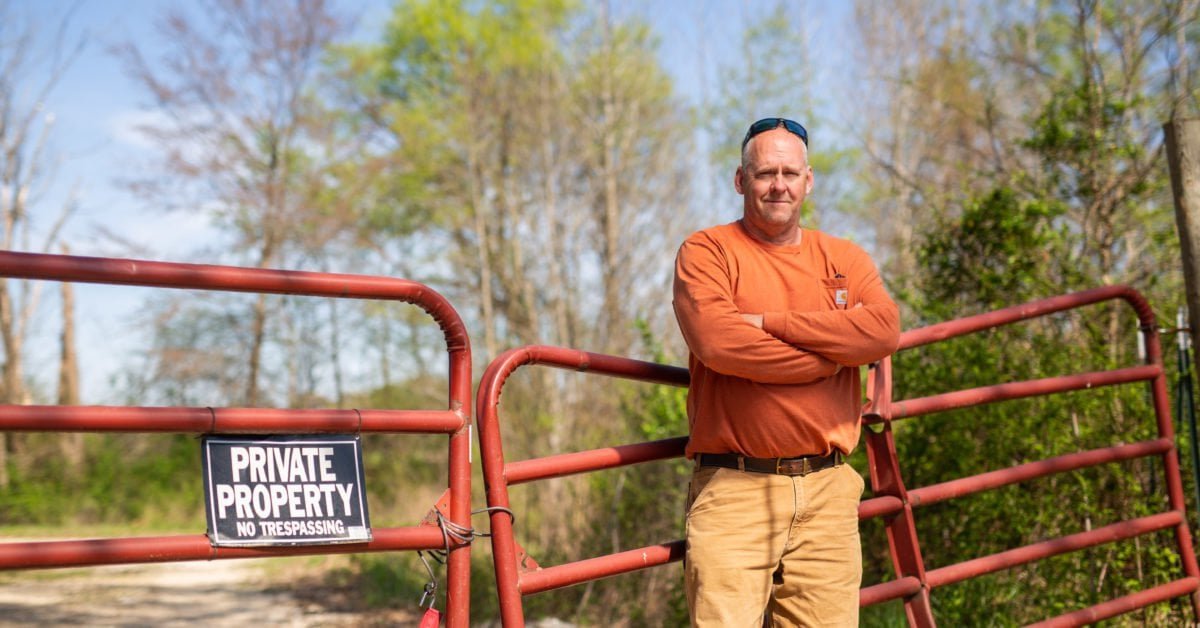
- Fences and No Trespassing Signs: Just putting up a fence or “No Trespassing” signs doesn’t automatically make an area part of your curtilage and grant it legal protection against search by law enforcement, including game wardens. While it is important to mark the land as private, it might not be enough to prevent a game warden from entering the property if the land is considered open fields.
- Purpose of the Land: The purpose of the land doesn’t typically matter, even if you are using the land for agricultural purposes. If it is considered an open field, then it’s generally accessible to game wardens.
- Size of the Land: There is no maximum size limit to the “open field” doctrine. Even very large properties that are not adjacent to the owner’s dwelling may be subject to searches by game wardens.
When Can Game Wardens Enter Private Land?
So, where do game wardens stand? Let’s break it down:
Routine Patrols and Open Fields
In most states, game wardens can enter private land that is considered “open fields” without a warrant. This is part of their routine patrol duties. They might be looking for signs of illegal hunting or fishing activity or checking to ensure people are following the regulations, if they observe any sign from far away. As we already mentioned, open fields are outside your “curtilage” or home area, so they don’t need a warrant. These routine patrols are done to ensure that our wildlife resources are protected, and that the rules are followed by all users.
Reasonable Suspicion
If a game warden has “reasonable suspicion” that a violation of wildlife laws has occurred, they might enter private property even if it’s not considered an open field. Reasonable suspicion means that they have specific and articulable facts that would cause a reasonable person to believe that a crime has been committed. For example, if a warden hears a gunshot coming from your property during closed season, or if a warden sees someone carrying an illegally harvested animal, they can enter your property to investigate further. They need probable cause before doing a full search though.
Hot Pursuit
If a game warden is chasing someone who has committed a wildlife violation, they can enter private land, without a warrant, in order to make an arrest. This is sometimes called “hot pursuit.” The game warden has a responsibility to follow that person in order to uphold the law and the enforcement of the regulations that protects our wildlife resources.
With a Search Warrant
If a game warden needs to search an area that is not considered an open field or is considered to be part of your curtilage (such as your house, garage, or storage shed) they typically need to obtain a search warrant. The warrant must be issued by a judge and based on probable cause, a higher standard than reasonable suspicion. This means that the game warden must provide specific reasons why they believe a crime has been committed. The warrant outlines the specific area that they have been granted permission to search and for what reason. A game warden may not search areas outside of the warrant.
Consent
A game warden may enter your private property if you give them permission, also called “consent”. If you decide to allow a game warden on your property, they do not require a warrant. This consent must be freely given by you and cannot be forced. The game warden must explain that you have the right to refuse the search.
State Laws Can Vary
It’s really important to remember that laws about game wardens entering private land can vary from state to state. Some states might have laws that give more protection to private landowners, while others might give more leeway to game wardens. It is extremely important to familiarize yourself with the regulations within your particular state, as you might be surprised at what the laws may allow.
How to Find Your State’s Laws
Here are some ways to find out what the rules are in your state:
- State Wildlife Agency Website: Every state has a wildlife agency, like the Department of Fish and Wildlife or the Department of Natural Resources. Their website should have information about the laws they enforce, including rules about game wardens and private land.
- State Statutes: You can often find the complete text of your state’s laws online. These statutes should have all the information, though they can sometimes be hard to read, and understand.
- Local Game Warden or Conservation Officer: You can call or email your local game warden or conservation officer. They can answer your questions and help you understand the rules in your area.
- Legal Professional: If you need clarification or are unsure, you can also contact a lawyer who specializes in natural resources law or hunting regulations.
What to Do If a Game Warden Comes on Your Property
It is understandable that you may be upset or nervous if a game warden comes onto your private property, but understanding how to react in these situations can be extremely beneficial. Here are some guidelines on what to do if a game warden enters your property:
Remain Calm and Polite
It is important to remain calm and treat the game warden with respect. It is not beneficial to be rude or angry. Game wardens are simply trying to do their jobs, and being difficult will only cause you more potential problems.
Ask for Identification
Ask the game warden to show you their identification and confirm that they are in fact a game warden. Game wardens must carry identification and show it when asked, so do not be shy about asking for it.
Ask Why They Are There
You have the right to ask why they are on your property. If they entered under open fields doctrine, they will let you know, or if they have a warrant, they will show it to you. It is within your right to know why they are there.
Do Not Obstruct
Do not do anything that would obstruct the game warden from doing their job. Do not resist arrest if they are trying to arrest you, and follow the game warden’s instructions. If you obstruct them from their job, you could get into further trouble.
Know Your Rights
It is always good to know your rights as a property owner. Knowing what you can and cannot do is important, as this knowledge will help you when interacting with law enforcement. If you don’t know your rights, it’s a good idea to check with your local authorities or a legal professional.
Seek Legal Advice if Needed
If you are concerned about how the game warden treated you, or if you think they have violated your rights, it is important to contact a lawyer. A legal professional can inform you of what happened and advise you on how to move forward.
Common Misconceptions
There are a few misunderstandings about game wardens and private land. It’s good to clear these up:
- Myth: “If I have ‘No Trespassing’ signs, game wardens can’t come on my property.”
Fact: “No Trespassing” signs do not prevent a game warden from entering “open fields.” However, such signs are a good idea, and make it clear that you do not want people on your property. - Myth: “Game wardens always need a warrant to come on my land.”
Fact: Game wardens can enter your land, specifically open fields, without a warrant. They will need a warrant to enter areas within your curtilage, or a home, or any other area where you have a reasonable expectation of privacy. - Myth: “Game wardens are just trying to harass hunters and fishers.”
Fact: Game wardens are trying to protect our wildlife resources, and their main job is to make sure everyone is following the rules, and are there to protect the animals and the environment.
It’s important to understand that game wardens are doing an important job. They help make sure that our wildlife populations stay healthy for future generations to enjoy.
Working With Game Wardens
Building a good relationship with your local game warden can be beneficial for landowners and recreational users alike. When you know your local game warden, they are more likely to help you and understand your needs. They are there to protect our wildlife resources, and they are a resource for you as well.
How to Build a Relationship with Game Wardens
- Attend Meetings: If there are public meetings with your local game warden, attend and ask questions.
- Contact Them With Questions: Do not be shy about contacting your local game warden with your questions. They can help clarify your questions and can help guide you on the local regulations.
- Participate in Programs: Many states have programs that you can participate in such as hunter education classes, etc. These classes are a great way to get to know your local game wardens, as well as better your knowledge about the regulations.
- Be Respectful and Compliant: If you see a game warden on your property, you need to remain respectful, polite, and compliant. These are very important in helping to cultivate a positive working relationship.
Understanding the laws about game wardens and private land helps everyone act responsibly and avoid misunderstandings. By working together, we can all enjoy the outdoors and make sure our wildlife thrives. Always remember to respect the law, the land and the wildlife.
Law Enforcement Caught Snooping on Private Land… Again
Final Thoughts
Game wardens can often access private land, especially if they suspect illegal activity related to wildlife. They must follow specific legal guidelines and protocols. These rules vary by location, so you must research them.
Generally, wardens require warrants or consent for searches. However, exceptions exist, like if they witness a violation. The question, ‘can game wardens go on private land,’ depends heavily on these circumstances and state law.

