
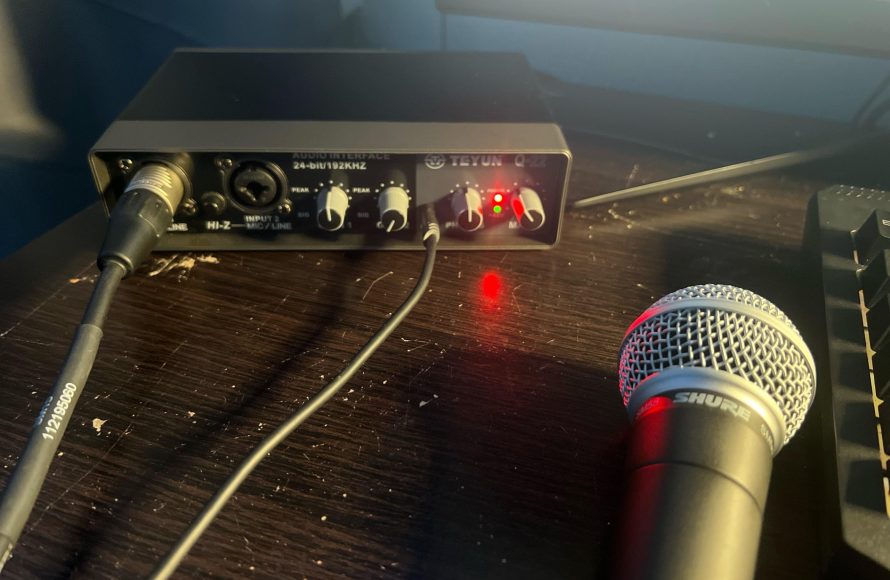
Yes, you can use an SM58 to game, though it’s not its primary intended purpose and other microphones might be better suited for it.
Wondering if that trusty Shure SM58 can double as your gaming mic? Many people have this question as the SM58 is a very popular and well regarded microphone. The answer to ‘can you use an sm58 to game’ is yes, but there are some things to consider.
While this microphone is fantastic for live vocals, it may not be ideal for the nuances of gaming communication. It picks up less background noise but might also need you to be closer. The next things are to consider if there are better microphones for this application.

Can You Use an SM58 to Game?
Alright, let’s dive into a question that might have crossed your mind: can you really use a Shure SM58, that classic microphone you see on stages everywhere, for gaming? The short answer is yes, you can. But, like most things, it’s not quite that simple. It’s more like, “Can you drive a truck to the grocery store?” Yes, you can, but a regular car might be a bit more practical. Let’s explore the good, the bad, and the ‘maybe’ of using an SM58 for your gaming setup.
Understanding the SM58’s Strengths
The Shure SM58 is legendary for a reason. It’s a dynamic microphone, which means it’s built to handle loud sounds and can take a beating. Think of it like the workhorse of the microphone world. Here are a few key features that make it popular:
- Durability: This mic is incredibly tough. You can drop it, knock it around, and it’ll probably still work just fine. This is a big plus for gamers who might get a little animated during intense sessions.
- Sound Quality: It’s known for its clear and focused sound, especially when capturing vocals. It’s great at picking up your voice and minimizing background noise, something many gamers appreciate when communicating with teammates.
- Polar Pattern: The SM58 has a cardioid polar pattern. This means it picks up sound mostly from the front and rejects sound from the back and sides. This can help reduce keyboard clicks and other distractions.
- Affordability: For its quality and reputation, the SM58 is relatively affordable, particularly when compared to dedicated studio microphones.
- Availability: You can find an SM58 pretty much anywhere that sells audio gear, making it easy to get your hands on.
The Challenges of Using an SM58 for Gaming
Despite its strengths, the SM58 has limitations when it comes to gaming. These limitations might not be deal-breakers for everyone, but they’re definitely important to consider:
Gain and Distance
Dynamic microphones like the SM58 need a good amount of signal boost, or “gain,” to sound loud and clear. This means you’ll likely need an audio interface or a mixer with a preamp to provide that extra juice. Without enough gain, your voice can sound quiet and muddy. Unlike some gaming microphones, the SM58 is not designed for close-miking, like a headset. You need to speak directly into it and be relatively close for best results, not ideal for every setup. This could make comfortable gaming sessions slightly tricky.
Not a Plug-and-Play Solution
Unlike a USB gaming microphone, the SM58 doesn’t simply plug into your computer. It uses an XLR cable, which you’ll need an audio interface or mixer that supports XLR inputs to connect to your computer, also, it means more desk clutter and setup time. This added hardware and wires mean more complexity and expense compared to simple USB microphones.
Form Factor
The SM58 is designed to be held or placed on a mic stand. Its handheld design isn’t naturally suited for desktop setups or attached to monitor stands. You’ll need a desk stand or boom arm to position it properly. This adds to the total cost and can take up desk space, as well as you will need accessories to make it properly work as a gaming microphone.
Sensitivity
The SM58, while excellent for vocals, might not be sensitive enough to capture the subtle nuances in your voice that some gaming microphones can. This can affect your audio quality and make you sound less clear compared to microphones designed for gaming purposes.
When an SM58 Might Work for Gaming
Okay, so it’s not perfect, but there are still situations where an SM58 can work pretty well for gaming:
You Already Own One
If you have an SM58 lying around from music or other audio projects, it’s definitely worth trying out for gaming before investing in a separate microphone. It’s a way to save money and put the equipment you already have to good use.
You Prioritize Durability
If you’re someone who tends to get rough with their equipment, the SM58’s durability makes it a great choice. It can handle accidental bumps, falls, and other mishaps that could damage less durable microphones. You may also choose this if you travel with your equipment a lot, this would be a great rugged and reliable solution for your gaming/streaming needs.
You Have a Solid Audio Setup
If you already own an audio interface, mixer, or other necessary equipment, incorporating the SM58 into your setup becomes more straightforward. The initial hardware and setup costs are less relevant if you already have this in place, making the SM58 a more viable and cost-effective option for gaming purposes.
You want focused Sound
If background noise is a major issue, the SM58’s cardioid polar pattern can be beneficial. It can help minimize keyboard clicks, fan noises, and other distractions, which would be nice for teammates that will hear you loud and clear. A lot of dynamic microphones that are made for vocal applications tend to have really good noise rejection and can really enhance your voice during voice communication.
SM58 for Streaming?
Streaming is a bit different than just gaming with friends. Here’s what to consider if you plan to use an SM58 for live streams:
Pros:
- Familiarity: The SM58 is a recognizable microphone, and its classic look could add a touch of professionalism to your stream.
- Reliability: It’s known to be durable and it’s a microphone you can really depend on.
- Sound Quality: It offers a good quality sound when used correctly, and it can easily compete with many gaming and other microphones available out there.
Cons:
- Setup Complexity: The SM58’s XLR connection adds more steps to set up, needing additional equipment like audio interfaces, and cables, compared to simple USB microphones.
- Placement: The need to be close and talk directly into the mic might make it less convenient for gaming streams, where you may want more flexibility to move around or have the microphone a bit further away.
- Not ideal for Background Noise: Even though it has great background noise rejection, you may need to do some extra tweaking of audio and software to reduce/eliminate all noise completely.
Essentially, the SM58 can work for streaming if you have the right setup, but dedicated streaming microphones or USB microphones might offer an easier and more practical experience. It really comes down to the individual setup you have.
Alternatives to the SM58 for Gaming
If the SM58 doesn’t sound like the perfect fit for your gaming needs, here are a few alternatives:
USB Gaming Microphones
USB gaming microphones are specifically designed for plug-and-play convenience. Here’s why they’re often preferred for gaming:
- Ease of use: They connect directly to your computer with a USB cable.
- Convenience: Most have built-in headphone jacks for monitoring.
- Versatile: They often come with multiple polar patterns (e.g., cardioid, omnidirectional, bidirectional) for different recording situations, you can use these microphone for anything you need it for.
Some popular USB gaming microphones include the Blue Yeti, HyperX QuadCast, and Rode NT-USB+. These are more convenient options compared to SM58 and they are really easy to use for gamers. Also, many of these options are relatively affordable, making them a great pick.
Headset Microphones
Headset microphones are a popular choice for gamers due to their convenience and integration with gaming headsets:
- Integration: They’re built right into the headset, keeping things simple and clutter-free.
- Convenience: Perfect for voice communication, with the microphone always positioned consistently.
- Easy Setup: Very convenient and easy to use, you can plug it into the computer and use it in a matter of seconds.
Headset microphones come in various qualities, from basic to high-end. If you value ease of use and don’t want to deal with setting up a separate microphone, this is definitely an option to consider. If you are looking for top quality audio, you probably don’t need to look for a headset option. there are other good options available for top quality audio.
Dedicated XLR Microphones
If you are looking for professional audio quality, you can also consider XLR microphones. Though the setup is very similar to SM58’s, they tend to have higher quality audio as they are designed for that. You would need an audio interface/mixer for these as well.
- High Quality: They tend to offer very top-quality audio compared to other microphones that are designed for gaming.
- Low Noise: When used with proper audio devices and software, they provide very low noise and clear audio.
- Better control: You get more controls, and can tweak the audio more compared to other microphones that are designed for gaming.
Making the SM58 Work: Tips and Tricks
If you’ve decided to give the SM58 a shot for gaming, here are a few things to keep in mind:
- Use a pop filter: A pop filter helps reduce plosives, those harsh “p” and “b” sounds, that can ruin audio recordings and broadcasts.
- Use a good stand or boom arm: A sturdy desk stand or boom arm helps you place the mic correctly and comfortably while gaming, and this also helps with the cable management.
- Adjust Gain Properly: Ensure your audio interface or mixer is providing enough gain without introducing noise or distortion.
- Positioning: Position the microphone correctly about 1 or 2 inches away from your mouth and speak directly into it. The placement of your microphone will dramatically enhance the audio quality and make it sound much more professional.
- Use Software Noise Reduction: Explore noise reduction software (like NVIDIA Broadcast) to further clean up background sounds.
- Test and Tweak: Don’t be afraid to experiment with mic placement and settings to find what works best for your setup and environment, and make the voice as best as you can, you can also test with your friends to see how the audio sounds to them.
Ultimately, the choice of whether to use an SM58 for gaming comes down to your specific needs, budget, and technical know-how. While it might not be the most convenient option, it can be a very capable choice, particularly if you are looking for a rugged solution or if you already own one.
Choosing the right microphone for your gaming setup can greatly enhance your experience, and knowing what is best for you is the best thing you can do. The SM58 may not be a perfect fit for every gamer, but the quality of its audio and sound is very popular and loved by a lot of people. By weighing its advantages and disadvantages, you can find the perfect microphone that suits your needs.
$13 vs. $1300 Microphone #shorts #microphones #cover #jasonmraz
Final Thoughts
While an SM58 works for gaming, it’s not ideal. Its design favors live vocals, not close-range speech. This means you’ll likely need to speak loudly and maintain a specific mic position.
The SM58 will pick up more background noise compared to condenser microphones designed for gaming. Ultimately, can you use an sm58 to game? Yes, you can, but a dedicated gaming microphone provides a must better experience.

