
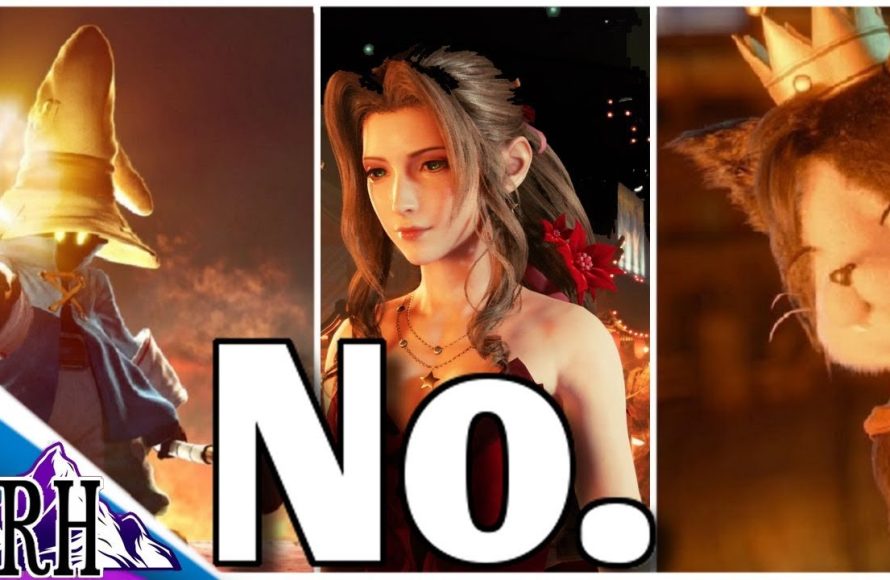
Final Fantasy games do not directly connect through a continuous narrative or shared world, each entry typically features a unique story, setting, and characters.
Have you ever wondered if all those incredible Final Fantasy adventures tie together? The question ‘do final fantasy games connect’ often pops up amongst fans, especially with so many titles. It’s easy to see why; each game offers such a rich and memorable experience.
It is a valid thought, given how impactful each game is, but the reality is a little different than a single, interconnected universe. Most entries stand alone, delivering self-contained stories.

Do Final Fantasy Games Connect? Exploring the Shared and Separate Worlds
The Final Fantasy series is famous for its amazing stories, cool characters, and fantastic worlds. But a question many fans, both new and old, often ask is: do these games all take place in the same universe? The simple answer is: mostly, no. But that doesn’t mean there aren’t some interesting connections and nods between them. Let’s dive deep into the different ways these games are related (or not!).
The Core Idea: A New Story Each Time
First, it’s important to understand that each numbered Final Fantasy game (like Final Fantasy VII, Final Fantasy X, or Final Fantasy XV) is meant to be a completely new story with new characters, a new world, and a different style. They’re not like sequels to each other in the way that, say, the Uncharted or The Last of Us series are. You don’t need to play Final Fantasy I to understand Final Fantasy X. Each game provides a complete, standalone experience. This makes it easy for new players to jump in at any point.
What’s the Connection Then?
If each game is a new story, why do people think they might be connected? Well, there are a few reasons.
Recurring Elements: Certain things show up in almost every Final Fantasy game. These recurring elements act as a kind of shared vocabulary for the series.
Chocobos: These big, yellow birds are often used for transportation. They’re almost always a fun part of the games.
Moogles: These cute, fluffy creatures are often helpful companions or merchants.
Crystals: Powerful crystals that often play a big role in the story’s plot.
Summons/Eidolons/Espers: These powerful beings, like Ifrit or Shiva, can be called into battle.
Character Names and Archetypes: Names like Cid, Biggs, and Wedge show up frequently, though they’re usually different characters with different stories. Also, we often see archetypal characters like the brave warrior, the powerful mage, and the skilled thief.
Themes: Certain big themes are often present in Final Fantasy stories. Things like the battle between good and evil, the importance of friendship, and the impact of technology on society are themes that we see explored in many of the games.
Spiritual Connections: Some fans believe that even though the stories aren’t connected directly, they exist in a kind of shared “spiritual universe.” This means that while each world is unique, they are all exploring similar ideas and themes that resonate with players.
When Games Share a Direct Universe
While most main-line Final Fantasy games are standalone, there are a few exceptions, where games share a direct, connected world. These are typically sequels or prequels, or they form a series around one particular game’s story.
Final Fantasy VII Compilation
Final Fantasy VII: The original game, of course, is where it all began.
Final Fantasy VII: Advent Children: This is a movie sequel to the original game, following Cloud and the others some time after the events of Final Fantasy VII.
Dirge of Cerberus: Final Fantasy VII: This is a spin-off game that focuses on Vincent Valentine.
Crisis Core: Final Fantasy VII: A prequel game that focuses on the story of Zack Fair.
Final Fantasy VII Remake: A remake that retells the events of the original game, but with expansions and alterations of the storyline.
Final Fantasy VII Rebirth: A continuation of the Remake that continues the story and expands the world.
This example, is a great example of games that are all connected through a single, clear narrative and shared characters.
Final Fantasy X and X-2
Final Fantasy X: This game tells the story of Tidus and Yuna in the world of Spira.
Final Fantasy X-2: This is a direct sequel to Final Fantasy X, continuing Yuna’s story. It’s a rarer example of a direct sequel in the numbered series.
These two games are directly connected, sharing characters and a continuing narrative. You need to know the events of X to understand X-2 properly.
Final Fantasy XIII Series
Final Fantasy XIII: This is the game that introduces us to Lightning and the world of Cocoon and Pulse.
Final Fantasy XIII-2: This sequel continues Lightning’s story in a different part of the world.
Lightning Returns: Final Fantasy XIII: This game concludes the story of Lightning and serves as the final part of this trilogy.
This series of games tells one continuous story and should be played in order to properly understand the events.
Spin-Offs, Side Stories, and Shared Ideas
Beyond direct sequels, there are a lot of spin-off games that take place in different worlds but share certain themes or elements with the main series.
Final Fantasy Tactics and Ivalice
Final Fantasy Tactics: This game takes place in the world of Ivalice, with a different style of combat.
Final Fantasy XII: This game also takes place in the same world of Ivalice, but it is a different story with different characters and time period.
Vagrant Story: A PlayStation game developed by some staff members that worked on Final Fantasy Tactics and takes place in the same world of Ivalice.
While these games don’t share the same main characters, they are set in the same world, Ivalice, and share many common elements and stories in this universe.
Final Fantasy Crystal Chronicles
This series features a group of games with a different style of gameplay, but recurring elements like crystals and Moogles.
While the stories may not be directly connected, there are themes and shared ideas.
These games explore the concept of crystals and how they affect different world, which is a core part of Final Fantasy lore.
Dissidia Series
These games bring together heroes and villains from all over the Final Fantasy series in a kind of crossover fighting game.
While these games do not affect the main series, they offer a nice way to experience all the characters interacting together.
These games provide a place where all of the main characters can meet and interact in a unique, fan-service filled experience.
The Meta-Narrative and Recurring Themes
Going deeper, it is important to consider the meta-narrative of the Final Fantasy series as a whole. Even though the stories are separate, there’s a sense that the games all share something bigger.
The Concept of Rebirth and Reimagining
The name “Final Fantasy” itself suggests an ending and a new beginning. This idea of something old ending and something new being born is a common theme across the series.
Each new numbered title is a kind of reimagining of the classic elements of the series. They’re familiar, but always fresh.
The recurring elements, like crystals and Chocobos, can be seen as the building blocks of Final Fantasy. They show up in different ways in each game.
The Idea of a Connected Experience
Though the stories are not directly connected, they create a kind of shared experience for players. Playing one Final Fantasy game, you might notice echoes of others you’ve played before.
This makes the series feel like a grand epic, even though it’s made up of separate stories.
The experience of playing all these games is like exploring different aspects of the same idea or dream, each one offering a unique look at a shared idea.
Understanding the Final Fantasy Formula
To put it simply, think of Final Fantasy like an anthology. Each game is a different story written by the same creative team, but they’re not in a direct story with each other, except when stated as a sequel/prequel.
Key Takeaways:
Standalone Stories: Most main numbered Final Fantasy games are completely separate stories. You don’t need to play them in order.
Recurring Elements: Shared elements like Chocobos, Moogles, and crystals connect the games through familiar, common elements.
Direct Connections: Some games, like the Final Fantasy VII Compilation or Final Fantasy X and X-2, are directly connected through shared characters and plot.
Spin-offs and Shared Worlds: Spin-off games may take place in shared worlds or explore similar themes, but they usually don’t affect the main series stories.
Themes and Ideas: The series shares themes about good and evil, friendship, and the impact of technology.
The Joy of Discovery
Part of the fun of being a Final Fantasy fan is recognizing these recurring elements and exploring the unique stories. Each game allows you to meet new characters, explore amazing worlds, and experience a brand new adventure. The fact that the stories are largely separate makes each one feel special and unique. The similarities are like a fun secret that only fans of the series know.
While the worlds may not all be directly connected, the feeling and ideas behind them is definitely there. It’s a kind of shared spirit that makes the Final Fantasy series so special for so many. Each game stands on its own as an example of great storytelling, and they all add up to a collection that continues to amaze and excite players year after year.
Are Final Fantasy Games Connected? This is Dumb!
Final Thoughts
Ultimately, the connections between Final Fantasy games are primarily thematic and stylistic, not direct narrative links. Each title usually presents a unique world, cast, and story. Occasionally, recurring names and concepts appear, but these are more akin to Easter eggs.
These shared elements create a sense of familiarity and a series identity. Therefore, the answer to the question, ‘do final fantasy games connect?’ is usually no in the narrative sense. The series provides diverse experiences with every new installment, despite recurring themes.

