
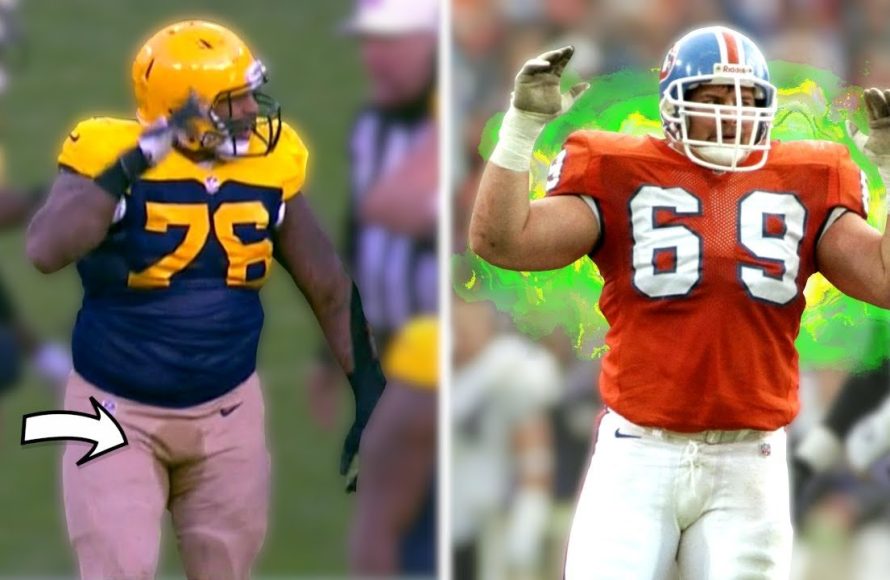
It’s rare, but yes, some football players might accidentally pee their pants during games due to the intense pressure and physical exertion.
Have you ever wondered about the realities of being a football player on the field? We often see the glory and the tackles, but what about the less talked about aspects? The question, “do football players pee their pants during games” is something people often ponder but are hesitant to ask. It might sound unusual, but the high pressure environment could cause a few unfortunate accidents.
The intense physical exertion coupled with the game’s stress can sometimes lead to situations where players lose control. It’s definitely not a common occurrence, but it does happen on occasion in this high energy sport. We will be talking about the circumstances that cause this.

Do Football Players Pee Their Pants During Games?
The question of whether football players pee their pants during games is something many people wonder about. It’s not exactly a topic that gets talked about openly, but it’s a reality for some athletes. Let’s dive deep into this subject and explore why this might happen and what players do about it. We’ll break down the reasons, the challenges, and the ways players manage their bodily functions during intense competition. It’s important to understand that this isn’t just about football; it’s about the physical and mental demands placed on athletes in many sports. So, let’s get started.
The Physiology of Urination and Athletic Performance
Before we talk specifically about football, let’s understand how the body handles urination during intense physical activity. The process of needing to go to the bathroom is complex, involving several body parts and hormones. When you’re active, your body goes into “fight-or-flight” mode. This means your blood flows to your muscles, heart, and brain, and away from your digestive system. This bodily reaction can have an effect on your bladder control. Also, dehydration plays a vital role in urination. Athletes, during intense activities like football, lose fluids through sweat. Dehydration can make urine more concentrated and also make the bladder feel fuller, leading to the urge to go.
The Role of the Bladder
Your bladder is a muscular organ that stores urine. When it fills, you get the sensation to go to the bathroom. The signals your brain sends to your bladder muscles are what allow you to control when you pee. During football games, many things can interfere with these signals. For example, the adrenaline rush of a close game can make players have the urgency to urinate. This urgency might be difficult to manage, especially if bathroom access is limited.
Stress and the Urge to Urinate
High levels of stress, anxiety, and pressure are part of the game for football players. These feelings trigger a cascade of hormones in the body, including cortisol and adrenaline. These hormones can also affect the bladder, increasing the urge to urinate. You can imagine how difficult it might be for a player when they are in the most stressful situations of the game and have to focus and manage this internal bodily need. It is a common reaction to stress but that does not make it easier to deal with it.
The Unique Demands of Football
Football is a unique sport that presents special challenges when it comes to bodily functions. A football game is long, full of breaks but with continuous actions. Unlike other sports, football has long periods when players are actively running, colliding, and tackling other players. The game also comes with short breaks. It is not easy to go to the restroom during the breaks as a large number of players have the same need for restroom at the same time. This constant movement, stress, and limited opportunities to use the restroom can increase the likelihood of having a need to urinate.
Physical Contact and Bladder Control
Football is a sport with very high physical contact. Players are constantly running into each other, being tackled, and making forceful movements. This physical impact can put pressure on the bladder. Think of a tackle that hits your lower back or abdomen; these impacts can make it difficult to control the need to urinate and could lead to accidents. Furthermore, it is not like you can just walk away from the action; players need to be present at the action. The physical demand and the need to stay focused can really challenge a player’s control over urination.
The Gear and Restroom Access
Football players wear very heavy and complex protective gear including helmets, shoulder pads, and leg pads. This gear is not designed for quick removal or easy bathroom access. When a player needs to use the restroom, they have to go through a time-consuming process. Also, they may need someone to help them remove their equipment. This lack of easy access to the restroom adds to the challenges. It also makes it harder for players to deal with the need to go before it becomes an emergency situation.
Do Football Players Actually Pee Their Pants?
Now to the big question: do football players actually pee their pants during games? The short answer is: sometimes, yes. It’s not common, but it does happen. Several situations can contribute to the situation, from stress and adrenaline to physical contact and the lack of restroom access. It’s not something every player goes through, but it’s also not something to be surprised by if it happens.
Stories and Anecdotes
While it’s not a topic widely discussed in interviews, there have been stories and anecdotes from players and coaches about instances where players have accidentally peed their pants during the game. These stories often come up in lighthearted moments, and they help highlight the reality of dealing with bodily functions during extreme physical activity. These anecdotes make it clear that it is something that can happen. Also, it is important to remember that athletes are humans and they are subjected to the same physical reactions as any other human.
Why It’s Not Talked About More
You might be wondering why this isn’t talked about more openly. The primary reason is embarrassment. No one likes to admit to losing control of their bodily functions. Athletes, who are under constant scrutiny, often feel they have to maintain a certain image of strength and control. Talking about this topic can be hard, and it might make them feel vulnerable. The stigma around this also leads to it not being talked about more openly. It’s considered personal, and athletes usually choose to deal with it privately. This does not mean that it is an uncommon thing, but just that it is not something people talk about openly.
Strategies Players Use to Manage Urination
So, what do players do to prevent or manage the situation? There are several methods they use, some more effective than others.
Hydration and Timing
One of the major ways football players manage their bodily functions during a game is by carefully monitoring their hydration. They make sure to drink enough fluids to stay hydrated, but they also learn to time their intake of fluids in a way that they don’t need to go to the restroom in the middle of a game. This means limiting liquids close to game time. But, this is a very tricky process as hydration is very important for an athlete’s performance. Players and coaches work together to balance the need for hydration without increasing the risk of needing a bathroom break in the middle of the game. This is a delicate balance.
Emptying the Bladder Before a Game
Players almost always try to empty their bladder completely right before the start of the game, or even during the warm up session. This helps in preventing the urge to pee during the game, especially in the first few quarters. Even if it is not a large amount, this can help in preventing the urgency during play time. These proactive steps allow the players to minimize the risks associated with urination during a high intensity game.
The “Just in Case” Mentality
Some players adopt a “just in case” mentality and try to use the restroom during every break they get, even if they do not feel the urgency. This method of frequent visits to the restroom is used to reduce the possibility of feeling the need to go during a crucial moment in the game. Frequent breaks help reduce the bladder pressure and the possibility of a mishap during play time. This strategy does not work for all players, but it can be useful for many.
Acceptance and Contingency Plans
Finally, some players have come to accept that accidents can happen during very high stress and intensity games. They usually have a “contingency plan.” This plan might include having extra pants or gear available or relying on a sense of humor. This acceptance can help them deal with such situations without feeling too much embarrassment. Some players also use specific undergarments for better support.
Beyond Football: The Issue in Other Sports
It’s important to remember that the issue of needing to urinate during competition is not unique to football. It can happen in many sports. Endurance sports like marathons and triathlons, where athletes compete for hours, present similar challenges. The constant physical exertion, coupled with the need to stay hydrated, can lead to athletes needing to pee while competing. The need for toilet breaks during such intense competitions can sometimes affect the final results as well.
How Other Athletes Manage It
Other athletes, too, use different strategies like strategic fluid intake, timed restroom breaks, and acceptance of the fact that such incidents could happen. For example, marathon runners might strategically plan their bathroom breaks during a race. Also, in some endurance sports, athletes are allowed to take short restroom breaks, however, that comes at the cost of lost time.
The Emotional Side of the Issue
Apart from the physical challenges, there’s also an emotional side to this issue. The embarrassment and stress of dealing with the urge to urinate, or the possibility of an accident, can be significant for an athlete. This can increase stress and anxiety before and during the game, which can have an adverse effect on the performance. Recognizing and addressing this emotional side is very important for the well-being of the athletes.
The Importance of Empathy
It’s important for fans and others to have empathy and understanding about these situations. Athletes are under tremendous pressure to perform, and they are also human. They have bodily functions that need to be managed. Recognizing and accepting that athletes may have to deal with these issues during a high-stress game can help remove the stigma around it. Instead of ridicule, it would be helpful if people were more understanding towards this challenge that athletes deal with. This would also encourage more athletes to speak more openly about such issues.
In summary, while it’s not a glamorous topic, the possibility of football players peeing their pants during games is real. The intense physical demands, the stress, and limited restroom access all contribute to this issue. It’s a mix of physiology, timing, and a bit of luck in controlling their bodies. Players have different strategies to deal with these challenges, and it is something that many athletes, not just football players, have to manage during intense competitions.
NFL Players are GROSS
Final Thoughts
So, do football players pee their pants during games? It’s certainly a possibility given the physical demands and limited bathroom breaks. The pressure and adrenaline must intensify the need to urinate at times.
While not a common occurrence, it is not unheard of. Players sometimes deal with this during crucial moments of a match. Situational awareness and self-control are very important.

