
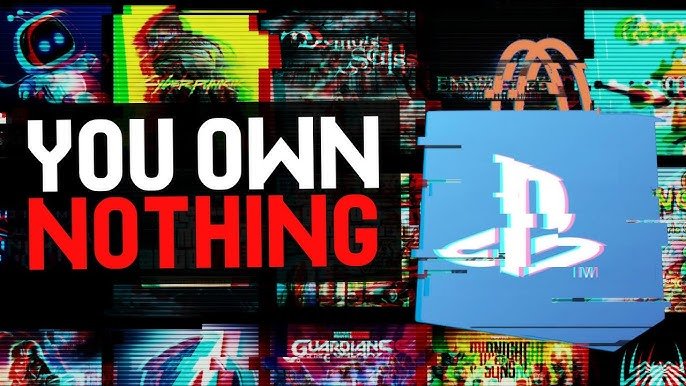
You do not truly own digital games; instead, you purchase a license to access and play them according to the terms set by the publisher.
Do you own digital games, or are you simply borrowing them for an indefinite period? This question often arises when considering the nature of digital purchases. We buy these games, load them onto our devices, and enjoy them, but what’s the real deal?
The reality is, when you acquire a game digitally, you’re not receiving the same kind of ownership as buying a physical copy. You’re granted a license to use the software, governed by specific agreements.

Do You Own Digital Games? Exploring the Reality of Digital Ownership
The world of video games has changed so much! Remember when you had to go to a store to buy a game in a box? Now, many of us get games online and download them right onto our computers, consoles, or phones. This is super convenient, but it also makes us ask a big question: do we actually own those digital games?
The Concept of Ownership in the Digital World
When you buy a physical game, like a board game or a video game in a case, you have something you can hold in your hands. You can lend it to a friend, sell it, or even keep it on a shelf forever. But with digital games, it’s not quite so simple. Let’s break down the difference between owning something in real life and “owning” a digital game. When you buy a digital game, you’re really getting a license to use it. Think of it like renting an apartment—you can live there, but you don’t own the building. The same goes for digital games. You’re buying the right to play the game, not the game itself.
Understanding Licensing Agreements
Every time you buy a digital game, you agree to a set of rules called a “licensing agreement.” This is like the fine print you might not always read, but it’s super important. These agreements tell you what you can and can’t do with the game you bought. For example, they often say that you can’t copy the game to give to a friend or resell it. These rules are set by the people who make the game and the companies that sell it, like Steam, PlayStation Store, or Nintendo eShop. These licensing agreements are often long and complicated. They cover a lot of things, such as:
- How many devices you can install the game on.
- If you can share it with family members.
- What happens if the service you bought the game from shuts down.
- If the company can change the game or take it away from you.
It’s really important to be aware of these agreements because they help explain how much control you actually have over your digital purchases.
The “Cloud” and Access to Your Games
A lot of digital games are now connected to the internet and are stored on something called a “cloud.” This is just a bunch of computers that belong to the company that makes or sells the game. When you play your games from the cloud, you’re not just using your own computer or console. You’re actually connecting to the company’s computer. This can be cool because it lets you play from different places, but it also means that you rely on the company to keep its computers running.
What Happens If The Servers Go Down?
Think of it like a power outage, but for games. If the game company’s servers stop working, you won’t be able to play the games you’ve bought. Even if you’ve paid money for a game and downloaded it onto your computer, you still need their servers to check that you’re allowed to play it. This can be frustrating, but it’s part of the way many digital games work now. This is also a big concern for many people, as sometimes you can end up losing access to your games which you’ve paid for.
Digital Rights Management (DRM)
To protect their games from being copied and shared without permission, companies use a method called Digital Rights Management, or DRM. DRM technology is like a lock on your digital game. These locks can come in various ways, including online checks which we mentioned earlier. DRM technologies are sometimes criticized because they can make it difficult to play your games even if you have the right to do so. For instance, they might stop you from playing if you have a bad internet connection, or if the service is experiencing problems. Although, DRM is intended to protect the game developers, but sometimes it can also make things difficult for users.
Different types of DRM
There are many ways DRM works, here are a few to know:
- Activation Keys: You need to enter a special code that came with your game.
- Online Activation: The game needs to connect to the internet to check if you are allowed to play.
- Always-Online: The game needs a continuous internet connection to play.
Platform Dependence and Game Availability
Another important thing to think about is the platform you use to get your games. Games are often tied to a specific store or service. For example, if you buy a game from Steam, it usually stays on Steam. If you buy a game from the PlayStation Store, it stays on your PlayStation. This means you can’t move your game to a different platform like you can with a physical game. Also, if the company that runs the platform decides to stop selling a game, you might not be able to download it again, even if you have paid for it. This means you need to think carefully about where you’re buying your games because your access to them can depend on those platforms.
The Risk of Losing Access
It’s something many players worry about: what happens if a service shuts down? When services end, they might take your games with them. This is a possibility you have to consider when you buy digital games. Sometimes, you might get lucky and the service will help you transfer your games to a new platform, but that’s not always the case. You need to be aware of this when you are purchasing digital games.
The Good Side of Digital Games
Even though it can be tricky to talk about “owning” digital games, there are many things that are good about them. Digital games are often cheaper, more convenient, and easier to find than physical games. You can usually get them right away, and you don’t have to worry about losing a game disc. Digital game stores also have sales and special offers, which make gaming more affordable and accessible for a lot of people.
Benefits of Digital Games
- Convenience: Buy and start playing immediately.
- Accessibility: Easy to find games.
- Cost-Effective: Often cheaper than physical copies.
- No Storage Space: No need to have physical space for game cases.
- Automatic Updates: Games are kept up to date easily.
The Future of Digital Ownership
People are starting to talk more about the idea of “digital ownership.” Many players would love to have more control over the digital games they purchase. There are new technologies and ways of thinking that might change how we buy, share, and keep our digital games in the future.
NFTs and Blockchain Technology
One idea that’s been talked about is using blockchain technology and NFTs (non-fungible tokens). These could potentially allow for more control over digital assets, including games. With this technology, you would have a unique digital key to prove ownership. This technology is still in early stages, but it could lead to big changes in the future. With this, it would be easy to trade and sell the digital assets in a decentralised way, and can be verified easily.
Your Role as a Consumer
As someone who buys and plays digital games, it’s important to know your rights and what you are agreeing to. Always read the terms and conditions before you buy a game. Think about where you buy your games from and what the platform’s rules are. By being aware of these things, you can make better choices when you buy digital games. When more people show concern over digital ownership, it might encourage companies to give us better options and control in the future.
Tips for Buying Digital Games
- Read the terms: Know what you are agreeing to.
- Research platforms: Understand their policies.
- Consider the risks: Think about what might happen if a service shuts down.
- Support companies: Buy games from companies that respect consumer rights.
The question of whether you truly own digital games is a complex one, and the answer isn’t always straightforward. It’s more like you’re buying a license to play rather than owning the game itself. Being aware of these differences helps you make informed choices, while enjoying your games. It’s a changing landscape, and your involvement in that changing landscape is very important as a player and a consumer. As we move further into the future, we will likely see more changes in the digital game space.
You Don't Own Digital Video Games
Final Thoughts
Ultimately, the debate about digital game ownership is a complex one. Access versus true ownership is a key consideration. The rights we have with physical media are different. So, do you own digital games, or just licenses to play them?
This question forces us to examine our expectations as gamers. It is vital we understand what our purchase actually includes. The future of digital gaming depends on this understanding and the legal framework surrounding it.

