
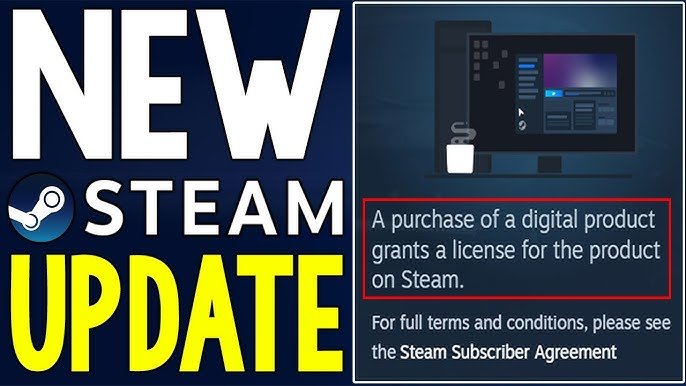
You do not own the games you buy on Steam; instead, you purchase a license to play them according to the Steam Subscriber Agreement.
Ever pondered the question, do you own the games you buy on steam? It’s a common thought for many players who invest time and money into their digital libraries. We often think of buying a game like purchasing a physical copy, but is this really the case?
The truth is, the digital world operates differently. Steam, like many other digital distribution platforms, grants you access, not ownership. This crucial distinction impacts what you can truly do with your games.

Do You Own the Games You Buy on Steam?
That’s a big question, isn’t it? When you click that “purchase” button on Steam, it feels like you’re getting something new to keep. You’re excited to play that awesome game and dive into a new world. But the reality is a bit more complex than just “owning” the game like you own a physical copy of a book or a board game. Let’s dig in and figure out what it really means to buy a game on Steam.
The Digital Download Dilemma
Unlike buying a game on a disc, Steam games are digital. You’re not getting a physical object. Instead, you’re getting a license to play the game. Think of it like renting a house instead of buying it. You get to live in it and enjoy it, but you don’t actually own the property. This distinction is really important. Steam isn’t selling you the game itself; they’re giving you permission to use it on their platform.
What is a Game License?
A game license is like a special pass. It gives you the right to use the game according to the rules set by the game’s developer and publisher and Steam. It’s like a rulebook that tells you what you can and cannot do with the game. These licenses often come with terms and conditions that most people don’t read (but probably should!). They explain things like where you can play the game, how many devices you can use, and what happens if you break the rules. This license is tied to your Steam account, not your computer itself.
Understanding Steam’s Terms of Service
Steam has a set of rules called the “Steam Subscriber Agreement.” This agreement explains what you’re agreeing to when you use their service and buy games. It’s written in legal language, which can be confusing, but here’s a simpler explanation. According to the terms, Steam provides a service that allows you to access and play games they sell. You are not buying the game itself. This agreement grants you a personal, non-exclusive, limited license to use the game. “Non-exclusive” means others can also use the game; it’s not unique to you. “Limited” means that your rights are restricted by the agreement, and that you don’t actually own the game.
The Limitations of Digital Ownership
Because you’re not buying a physical thing, there are limits to what you can do with your Steam games that you wouldn’t have with a physical copy. Let’s look at some of those limitations:
Game Resale Restrictions
One of the biggest differences between digital and physical games is that you cannot resell your Steam games. With a physical game, you could trade it, sell it to a friend, or give it to someone as a gift. With Steam games, that’s not allowed. The license is tied to your specific Steam account. The ability to trade some games or digital items on the Steam market is for a limited selection, not the entire library of game titles, and you are not trading your license, just the item in-game. This restriction is common with many digital stores, and it is a key part of why you don’t technically “own” the game.
Account Access and Game Availability
Your access to Steam games is linked to the existence of your Steam account. If, for some reason, your Steam account gets banned, or if something happens to Steam itself, you could lose access to all the games you’ve purchased. This isn’t like having a shelf full of games you can play whenever you want. The game library relies on your access to Steam’s service. Similarly, game publishers might, on rare occasions, remove a game from Steam, in which case the games may become unaccessible, making you lose your money you paid to play them. This situation has occurred before and is a valid reason for concern, emphasizing the fact that you’re licensed to play, not owning the game itself.
Regional Restrictions
Sometimes, there are regional restrictions when buying games. These restrictions mean a game that’s available in one part of the world may not be available in another. This restriction also highlights that Steam games are tied to the service and region and not truly yours to do with as you wish. Some publishers may create different versions of the same game for different regions or may simply not release the game in that area of the world.
The Role of Game Publishers
The game developers and the publishers (the people or companies that make and distribute the games) also have a say in how you use the game. They set the rules that Steam needs to follow. If they decide to stop supporting a game or if their contract with Steam ends, you might not be able to access the game anymore, even if you bought it. This isn’t frequent, but it’s a reminder that our access is dependent on these third parties as well. This highlights that owning a license to play a game is very different from owning a physical copy.
Benefits of the Digital Model
Although it might seem like there are some downsides, there are some very valid reasons why we purchase digital games, and there are some benefits to this digital format:
Convenience and Accessibility
Digital games offer great convenience. You can buy games instantly and begin playing them very quickly. There is no need to travel to a store, wait for shipping or worry about damaged discs or lost cases. Your games are available on any computer you’ve logged into your Steam account on. This accessibility is a huge plus for many gamers. You are also able to install the game and begin playing it at any moment, as you are not constrained by physical limitations of storage space.
Easy Updates and Patches
With digital games, updates and patches are typically installed automatically. This feature makes sure that the games you have are up to date with the latest fixes, features, and improvements. This feature is not always guaranteed when you are purchasing older physical copies of games that require manual patches and support, and is a definite benefit of the digital model.
Steam Features
Steam gives us a lot of great features including a friends list, chat, forums, achievements, and other extras that make gaming a more social and fun experience. The steam platform also is an easy way to discover new games and track the games you have and wish to purchase in your wishlist. There are also regular sales that allow you to purchase the games at a better price compared to physical stores. Steam is constantly adding new features and is updating its platform to improve gamers’ experience.
So, Do You Actually Own Your Games?
Going back to the initial question, do you own the games you buy on Steam? The simple answer is: no, not really. You’re buying a license to use the game. You are not buying the game’s rights, like you do when you purchase a physical copy. The license comes with rules set by Steam, the game’s publisher, and the game’s developer. Your access to the game depends on the game’s availability on Steam, your Steam account’s status, and compliance with the license agreement and the terms of service.
The Difference Between Owning and Licensing
It’s important to understand the difference between owning something and having a license to use it. When you own something, you have full control over it. You can sell it, give it away, or do whatever you want with it. When you have a license, you can only use it according to the rules set by the person or company that owns it. This is a very important aspect to think about when you are thinking of making any digital purchase.
What You Are Actually Buying on Steam
So, if you’re not buying the game itself, what are you paying for when you click the purchase button on Steam? You’re paying for the right to access and play the game within the Steam ecosystem. You are paying for the use of the software, not the software itself. You are also paying for the ability to experience the game with all of its features on Steam, using all of the convenience and accessibility Steam provides. This means that you are purchasing a temporary usage of the product, that is very dependant on the steam service, the publisher, and the game’s developer. This is why many people refer to the purchasing of a game on Steam as renting instead of buying it.
In summary, while it might feel like you own your games on Steam, what you actually have is a non-exclusive license to play them. This license is subject to various terms and restrictions. While there are benefits to the digital model such as accessibility, convenience and automatic updates, it’s important to be aware of the limitations. Knowing this distinction helps you make better decisions about how and where you choose to buy your games.
Understanding the nuances of digital game ownership is important for making informed purchasing decisions. While we don’t own games on Steam in the traditional sense, the convenience and platform features make digital gaming an easy and enjoyable experience for many. Knowing what we’re getting helps us navigate the gaming landscape more effectively.
Remember owning games? Why you cant buy games anymore | What you must know about Steam, Ubisoft & EA
Final Thoughts
Ultimately, you purchase a license to play games on Steam, not the actual games themselves. This distinction is crucial for understanding your rights. You cannot resell or transfer your games.
Therefore, the answer to the question, ‘do you own the games you buy on steam’ is technically no. Steam’s terms of service clearly define your usage rights. This must be kept in mind.

