
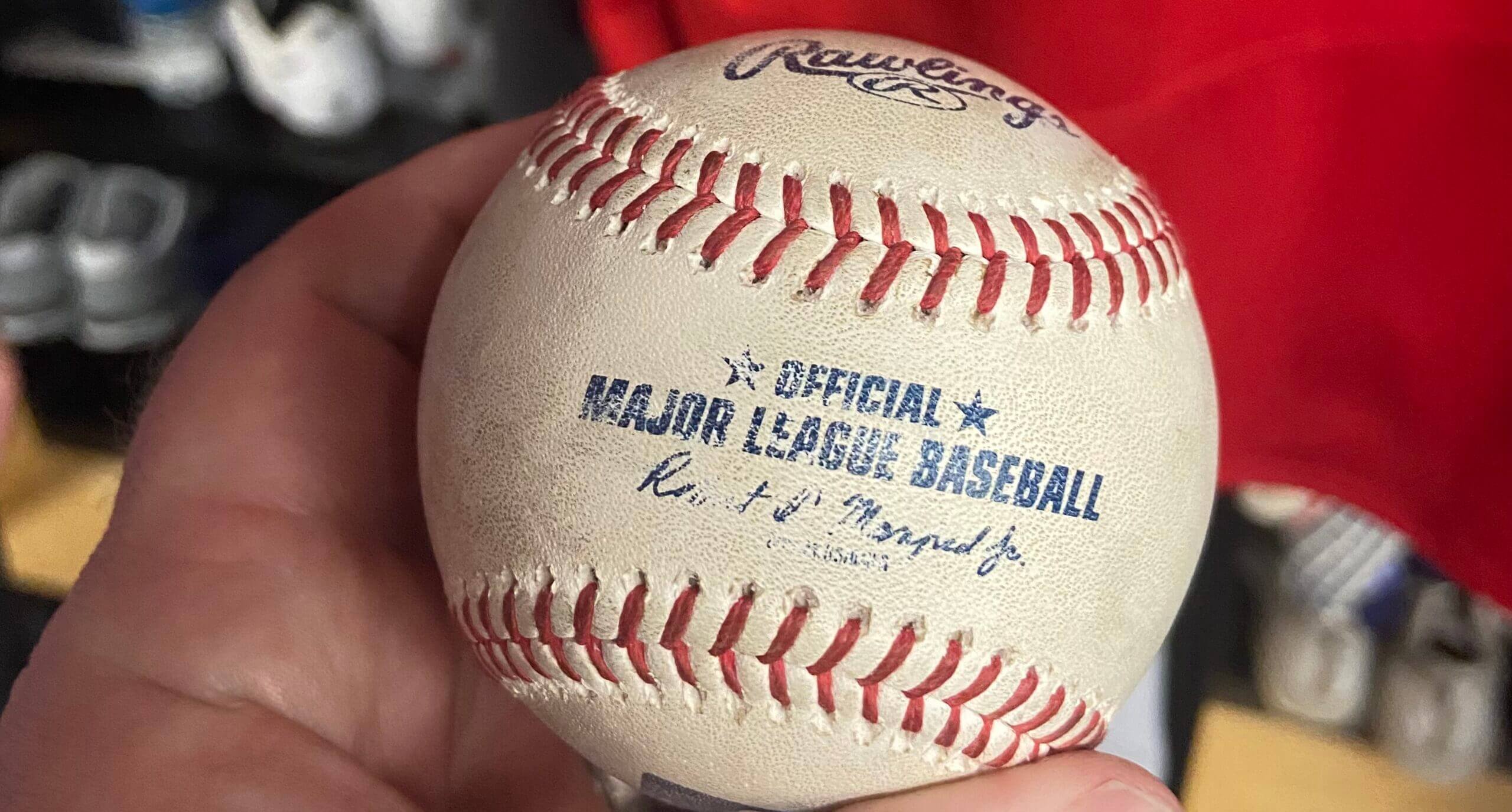
Approximately 120 baseballs are used in a 9 inning game.
Have you ever wondered how many baseballs are used in a 9 inning game? It’s a question that might not cross the mind of the casual fan, but the answer highlights the fast-paced nature of the sport and the demands placed on equipment. Think about all those foul balls, home runs, and even just regular play – baseballs get scuffed, dirty, and sometimes even lost.
The amount of baseballs used is actually quite significant over the course of a game. It shows that baseball is not just about the players, it’s also about the equipment that is essential to the game. So, let’s explore this interesting aspect further.

How Many Baseballs Are Used in a 9 Inning Game?
The Journey of a Baseball: From Dugout to the Stands
Have you ever watched a baseball game and wondered where all those baseballs come from, and just how many get used? It’s not like they have an endless supply just sitting there. Well, the truth is, a surprising number of baseballs go into a single 9-inning game. We’re not talking about just a few; we’re talking dozens! Let’s dive into the details and see why.
Factors That Influence Baseball Usage
Several things play a part in determining how many baseballs are needed during a game. It’s not a simple, set number. Think of it like trying to figure out how many cookies you’ll eat at a party – it depends on a lot of things!
The Condition of the Ball
Baseballs, even brand new ones, aren’t invincible. They get beat up quickly. Here are some things that can damage a baseball during a game:
- Hits: Every time a batter connects with a pitch, the baseball takes a beating. Hard hits, especially, can scuff the leather, make the ball go out of shape, or affect its ability to fly straight.
- Fouls: Balls that are hit outside of the play area, into the stands, or into the dugout are usually removed from play, and they could hit anything, or get dirty, or even hit someone.
- Dirt and Mud: Imagine a ball that lands in the mud, it will get pretty dirty, and those marks impact how the ball is thrown and how well it can be seen.
- Pitcher’s Grip: Pitchers sometimes apply pine tar or other substances to get a better grip on the baseball, and that can get the ball dirty and unusable in some cases.
Game Dynamics
The style of play in a game also changes how many baseballs are used. A high-scoring game with a lot of base hits will naturally use more baseballs than a pitcher’s duel. There are many situations that cause baseballs to be pulled out of play:
- Home Runs: When a ball gets hit over the fence for a home run, that ball is often kept by the fan who catches it. It’s a souvenir! The team needs to replace it with a new one.
- Wild Pitches and Passed Balls: Sometimes a pitcher throws the ball in a wrong way, and the catcher has no chance to catch it, and the ball rolls away. In those situations, umpires typically give the team a new one.
- Changes in Pitchers: When a new pitcher comes to the game, they often request a new ball to get a feel for it.
- Close Plays at the Plate: When the ball is in close play at home plate, there are chances of the ball getting damaged by the catcher or by the players. These cases also cause new baseballs to be brought in.
The Umpires’ Discretion
Umpires are like the referees of baseball, and they also have a big say in when a new baseball is brought in. Here are some reasons why they might call for a new ball:
- Ball Condition: If a baseball is too dirty, scuffed, or misshapen, the umpire will likely ask for a new one.
- Visibility: A dirty or dark baseball can be hard for the players to see, and the umpire will want to make sure the baseball is easy to see.
- Safety: If an umpire thinks a ball is not safe to use, they will request a new one.
The Actual Numbers: How Many Baseballs Get Used
So, with all these factors in mind, what’s the real number of baseballs used during a game? While there’s no magic number, most experts agree that a typical 9-inning game uses anywhere from 70 to 120 baseballs! Yes, that’s a lot of baseballs!
Average Usage
Let’s consider a realistic breakdown of how the baseballs might be used in a game:
| Situation | Approximate Number of Baseballs Used |
|---|---|
| Game Start, Warm-Ups and Practices | 10-15 |
| Hit into the stands or home run | 5-10 |
| Foul Ball | 30-50 |
| Changes of pitcher | 5-10 |
| Dirt and damages | 15-25 |
| Others | 5-10 |
| Total | 70-120 |
This is just an estimate. In games with a lot of scoring, more pitches, and more hits, the number will be higher, and in the low scoring games, it is lower. We must remember that there are so many factors that will affect the actual amount.
Where Do All These Baseballs Come From?
It’s a great question. Where do all the baseballs come from for a single game, or even for an entire baseball season? Obviously the teams don’t just have giant storage rooms with millions of baseballs. Actually, the baseballs are sourced from the Official Baseball manufacturer.
Manufacturing Process
Making a baseball is a detailed process. It begins with a core of rubber and cork. This is then wrapped in layers of yarn, and finally covered with two pieces of white leather. The leather is stitched together to form the round shape, and the ball is ready for game day.
Storage and Handling
Before they are used in a game, the baseballs are stored properly in a dry place. Game day balls are kept in a ball bag near the dugout. The ball bag contains several dozen baseballs ready to be used in the game. Once the balls leave the bag and go into the playing field, each and every ball is tracked by the umpires, and they ensure that each ball meets the requirements and standards.
The Afterlife of a Baseball
What happens to all those baseballs that get taken out of play? Do they just get thrown away? Not usually! Many have a story to tell, and sometimes they continue in a new story.
Fan Souvenirs
As we mentioned before, any ball that is hit into the stands is usually kept by the lucky fan that catches it. Those balls will become treasured souvenirs and reminders of the game.
Practice Balls
Many of the baseballs that are used in the game but not damaged beyond repair become practice balls for the teams. This allows the team to continue using the balls, instead of throwing them away.
Charity and Other Uses
Some baseballs are donated to charities or youth leagues, and this allows many kids to get the chance to play baseball. Other used baseballs are used in the baseball memorabilia shops.
Why It Matters
You might be thinking, “Okay, so a lot of baseballs get used. Why does it matter?” Well, it’s not just about the numbers. It shows us a few important things:
- The Intensity of the Game: All those baseballs being used show us how action-packed a baseball game is! Each hit, each pitch, each play contribute to the overall experience.
- The Resources Involved: A lot of resources go into making and using these baseballs. This includes manufacturing, storage, and the people who help make the game happen.
- The Story Behind the Game: Every baseball has its own journey, and the baseballs go through several things before they get into the hands of the players. Each ball gets to be part of a story.
So, the next time you watch a baseball game, take a moment to think about all those baseballs flying around. Each one has a little bit of the game’s history and excitement embedded in it. It’s more than just a ball; it’s a piece of the game itself.
Understanding the number of baseballs used in a game shows the dynamics and resources involved in professional baseball. From the manufacturing process to their final destination, these small spheres play a significant part of each match.
How Many Baseballs Are Used In A 9-Inning Game? – The Baseball Xpert
Final Thoughts
Typically, a Major League Baseball game uses around 120 baseballs. This number fluctuates based on factors like fouls, home runs, and if the baseball gets scuffed. Umpires carefully remove baseballs from play for these reasons.
So, how many baseballs are used in a 9 inning game? The answer is generally about 120, but it’s an approximation. The actual number can be more or less depending on game events.

