
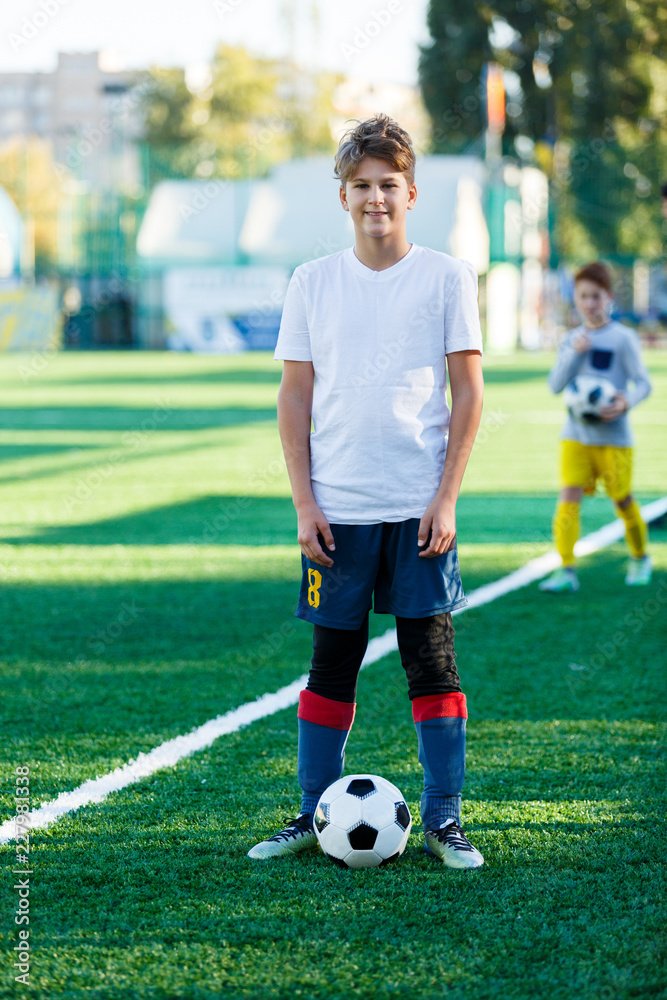
A soccer game for 13-year olds typically lasts 70 minutes, divided into two 35-minute halves, with a short break in between.
Ever wondered about the duration of your kid’s soccer match? It’s a common question for parents and players alike. Many people often ask, “how long is a soccer game for 13-year olds?” Understanding the game length is essential for planning and knowing what to expect on game day.
The standard duration ensures the players can give their best performance without excessive fatigue. This also aligns with youth soccer league regulations. The total time includes a short halftime break to refresh and strategize.

How Long Is a Soccer Game for 13-Year Olds?
So, you’re curious about how long a soccer game lasts for 13-year-olds? That’s a great question! It’s not as simple as saying “exactly one hour” because it can vary. Let’s dive into the details and explore everything that affects game length for this age group. When kids are around 13, they’re playing at a level where things get a little more structured, but it’s still about fun and development, so the rules ensure they get a good workout without getting too tired.
Understanding the Basics: Match Time
The most important thing to know is the actual playing time of a soccer match. For 13-year-olds, most leagues and organizations follow specific guidelines to make the game appropriate for their age and physical abilities. Generally, a typical soccer game for this age group is divided into two halves, each lasting a specific amount of time. It’s not like professional games, where they play a solid 45 minutes each half; the duration is shorter to suit developing players.
Standard Half Length for 13-Year-Olds
Often, you’ll find that each half of a soccer game for 13-year-olds is 35 minutes long. This means the total playing time, excluding any breaks, is 70 minutes. However, always check with your local league or coach, as there can sometimes be slight differences. This duration helps players engage fully in the game without overexerting themselves.
- Common Half Length: 35 minutes
- Total Playing Time: 70 minutes (35 minutes x 2 halves)
Half-Time Break: Catching Your Breath
Like professional matches, there’s also a break between the two halves. This is called halftime. It’s a chance for the players to rest, grab a drink, and hear from their coaches. The halftime break isn’t typically a very long one, as everyone wants to get back to the action! The length can differ slightly depending on the league, but there is usually a standard time period for this rest stop.
Usual Halftime Duration
For 13-year-olds, halftime usually lasts about 10-15 minutes. This short break is enough time for players to catch their breath, hydrate, and make any tactical adjustments needed for the next half. Coaches often use this time to give pep talks, discuss strategies, and make any player substitutions.
- Halftime Duration: Typically 10-15 minutes
Total Game Time: Beyond the Playing Clock
When we talk about how long a soccer game is, it’s more than just the playing time on the clock. We also need to consider the total time you might spend at the field. There are other factors involved beyond the actual match length and halftime break.
What Else Adds to Game Time?
The time spent at a soccer game isn’t only about the 70 minutes of playing time and 10-15 minutes halftime break. There are also short breaks for injuries, time spent warming up before the game, and extra time for the referee to make decisions. All these elements add to the total time you spend at the soccer field.
- Warm-up Time: Teams usually have a warm-up period before the game starts. This can take around 15-20 minutes.
- Injury Time: If a player gets hurt, the referee will stop the clock and address the situation. This “stoppage time” is added to the end of the half.
- Referees Decision Time: Sometimes the referee has to make decisions that can cause a brief delay, like sorting out a foul. This time gets added on too, as stoppage time.
- Post Game Time: After the game concludes, there is a period for team talks or cool down exercises. This time can be varied and depending on the teams.
Different Leagues, Different Rules: Local Variations
It is important to know that soccer rules might not be exactly the same everywhere. Even though there are general guidelines, local soccer leagues and associations might have their own specific rules about game length. It’s a good idea to double check with the local soccer league to see what the game length is before every match, as they can differ slightly in duration.
Checking League-Specific Regulations
Each soccer league can have small adjustments to the duration of the games. Checking these details is easy. Usually, the league website, team coach, or league representative can provide the specifics for games.
- League Websites: Often the rules and regulations are on the league’s official website.
- Team Coaches: Your coach will be your go-to source for game information.
- League Representatives: The league’s management can help you clear any doubts about match duration.
Factors Affecting Game Length: More than Just Time
While 35-minute halves and a 10-15 minute break are common, it is important to understand that several other factors can have an impact on the final game duration. These things can sometimes make the match slightly shorter or longer, and it’s interesting to know what they might be.
Weather Conditions
Weather can play a significant role in the game. If it’s extremely hot or raining heavily, there might be more breaks so that the kids are comfortable and hydrated. It’s also possible that the match time might be shortened for everyone’s safety.
- Extreme Heat: Can lead to water breaks and shortened game times.
- Heavy Rain: May cause pauses or a shortened match.
Tournament vs. Regular Season
During regular season games, a match often follows the usual time guidelines. However, in tournaments, especially where multiple games occur in a single day, the game duration might be shorter so that the kids aren’t too tired before their next match.
- Regular Season: Follows standard timing guidelines.
- Tournaments: May have shorter game times or altered breaks to accommodate many games.
Referee Discretion
The referee has a lot of say during the match. If there are many stoppages, like for injuries or time-wasting, the referee adds some extra minutes at the end of the half. This ensures that the players get the full playing time.
- Stoppage Time: Added when there are delays due to injuries or fouls.
Why These Times? Development and Fun
The game length for 13-year-olds isn’t random; it’s planned carefully to support the development of the young players. At this age, players are still growing and learning the game, so the timing has to be right.
Physical Development
Playing for too long might lead to exhaustion and possible injuries in young players. Shorter matches mean the players enjoy the game more without overdoing it. The standard time keeps the game challenging and fun without being tiring.
- Prevent Overtraining: Shorter times help avoid over exhaustion.
- Maintain Interest: Balanced match lengths keep players engaged without losing interest.
Skill Development
The match times are also set to help kids improve their soccer skills. The duration provides them with sufficient time to practise, try new skills, and work as a team. Playing a sensible time frame enhances their skills faster compared to longer games where they become tired sooner.
- Practice Opportunities: Provides ample time to practise skills in a game.
- Teamwork Development: Offers enough time to collaborate and work as a team.
Maintaining Engagement
Making the game duration just right ensures that kids enjoy the sport more. If the game is too long or tiring, they may become disinterested. A balanced time period helps keep their interest and makes them want to play again.
- Increased Enjoyment: Appropriate game duration maintains enthusiasm and interest in soccer.
- Motivation to Play: Makes the game fun and encouraging, so they look forward to playing again.
Quick Recap: What’s the Bottom Line?
To summarize, a soccer game for 13-year-olds is usually around 70 minutes of playing time, with two 35-minute halves. There’s also a 10-15 minute halftime break. But remember, there might be extra time for warm-ups, injuries, referee’s decision, and post match team talks. The game lengths are set to be just right to help players improve, have fun, and develop a love for the sport. Always remember to double-check with your specific league or coach for the most accurate details.
So, next time you are heading to the soccer field to watch a 13-year-old play, you’ll now know what to expect! Enjoy the game!
How Long Is A Soccer Game For 13-Year-Olds? – The Sport Xpert
Final Thoughts
A standard soccer match for 13-year-olds typically lasts 70 minutes. This playing time is usually divided into two 35-minute halves. There’s also a short halftime break in between.
Therefore, how long is a soccer game for 13-year olds is 70 minutes, not including any extra time for injuries or stoppages. The focus is on age-appropriate play.

