
No, Game of Thrones does not take place on Earth.
Have you ever wondered about the setting of your favorite fantasy series? The world of Westeros feels incredibly real, with its diverse landscapes and complex political systems. A common question often pops up: does Game of Thrones take place on earth? This query isn’t surprising considering the immersive nature of the show.
The vast continent, its unique history, and its mythical creatures all contribute to a fictional world distinctly separate from our own. It’s a question that often sparks debate amongst fans. But the answer is very simple: It does not.

Does Game of Thrones Take Place on Earth?
The world of Westeros, with its kings, queens, dragons, and White Walkers, feels incredibly real. Many fans wonder if Game of Thrones, the popular TV show based on George R.R. Martin’s A Song of Ice and Fire books, takes place on our very own Earth. It’s a fantastic question that opens up a world of possibilities and fun discussions. Let’s delve into the evidence and see if we can figure out the answer!
The Case Against Earth: A World of Fantasy
Right from the start, several clues suggest that Game of Thrones doesn’t unfold on Earth as we know it. It’s a world brimming with magic, creatures that don’t exist in our reality, and a history that deviates wildly from what we’ve learned.
Dragons Roam the Skies
Perhaps the most obvious reason for Westeros not being Earth is the presence of dragons. These massive, fire-breathing reptiles are a staple of fantasy, and they are certainly not found in our world. Dragons are central to the plot and are a major part of what makes the story so captivating. Think about Daenerys Targaryen’s three dragons – Drogon, Rhaegal, and Viserion – they are majestic and powerful, but completely fictional. This is an immediate difference between Westeros and our planet, where dragons exist only in our imaginations and in stories.
Magic is Real and Present
Magic is another key element in Game of Thrones. Characters like Melisandre wield fire magic, others like Bran Stark can warg into animals, and the White Walkers raise the dead. This use of magic is part and parcel of the daily life for many in Westeros, and this type of magic simply does not exist on Earth in any provable way. The presence of magic in the story world pushes it further away from a realistic depiction of Earth.
Unique Creatures and Mythical Beings
Besides dragons, Game of Thrones features other creatures not found on Earth. The White Walkers, for instance, are terrifying beings of ice who raise the dead and are a big threat to the living. There are also direwolves, huge wolf-like creatures that are fiercely loyal and connected to the Stark family. These fantastical elements are consistent throughout the series and signal that we’re dealing with a world that isn’t our own. Below you can see some of them listed:
- Dragons: Fire-breathing reptiles of immense power.
- White Walkers: Undead creatures from the far north.
- Direwolves: Giant, intelligent wolves.
- Giants: Massive humanoids living in the wild lands.
Different Geography and History
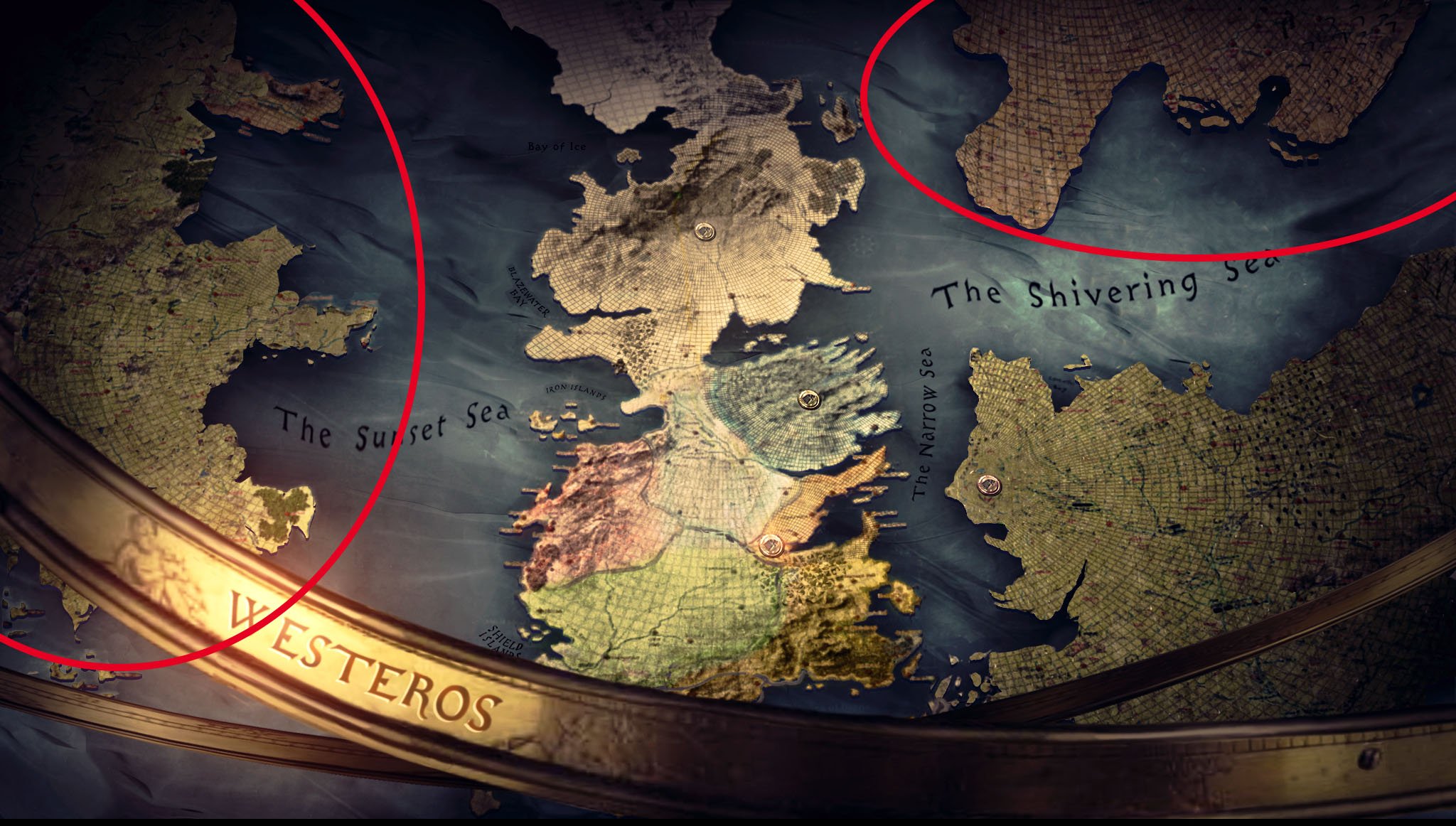
The map of Westeros, Essos, and the other lands in the world of A Song of Ice and Fire doesn’t resemble any known continent on Earth. The geography is fictional, featuring distinct regions with different climates and cultures. Also, the history of the Seven Kingdoms of Westeros, with its wars, political intrigue, and legendary families, is far removed from the history of our planet. Think of the Targaryen dynasty, with their dragon-riding history, or the war for the Iron Throne. This is a rich but entirely made-up history, very different from our Earth’s real history.
Seasons that Last for Years
One of the most striking differences in Game of Thrones is its unusual weather pattern. Seasons last for years, even decades, with summers and winters that can feel endless. This is in stark contrast to the regular yearly cycle of seasons on Earth. A long winter in Westeros might last 10 years, creating significant challenges for its inhabitants. This peculiar seasonal pattern is another indicator that this isn’t our world.
Exploring the Parallels: Why It Feels Familiar
Despite all the fantasy, Game of Thrones still manages to feel somewhat familiar and relatable. This is because many themes and situations mirror real-world historical events, human behaviors, and political dynamics. This is likely intentional, as these parallels help make the story more compelling. Let’s take a look at some of these similarities.
Medieval-Inspired Societies
The societies in Westeros are heavily inspired by medieval Europe. You see castles, knights, lords, ladies, and feudal systems similar to those of the Middle Ages. The technology is also roughly equivalent, with swords, armor, bows, and other tools and weapons that reflect that time. The power structures, with their kings and their courts, are also drawn from historical references, especially in the feudal system and social hierarchies of medieval Europe. This is why, despite the magic and dragons, some aspects of Westeros can feel very grounded and recognizable.
Political Intrigue and Power Struggles
The political landscape in Game of Thrones is full of scheming, betrayals, and power struggles, something which, sadly, has existed throughout human history. We see characters vying for power, forming alliances, and plotting against each other to gain advantage. This mirrors historical political events, such as the various wars and power struggles that shaped many nations across the world. The battle for the Iron Throne and the constant jostling for position amongst the great houses create a political web that is both fictional and yet, remarkably reminiscent of real-world politics.
Human Emotions and Morality
At its heart, Game of Thrones is a story about people, their emotions, and their moral choices. We see characters grappling with love, loyalty, betrayal, and revenge. These are all universal human emotions that we can all relate to. The characters’ decisions often have real consequences, and we witness the impact of their choices on the world around them. The fact that we can connect with these characters on a human level makes the series more compelling, even in a fantasy setting. This human aspect of the story is likely part of the reason we feel such a strong connection to the series. Look at the moral ambiguities of characters like Jamie Lannister, or the struggle for identity of someone like Jon Snow – these all tap into universal human experiences.
Real-World Historical Inspiration
George R.R. Martin has drawn inspiration from a range of historical events when creating the world of A Song of Ice and Fire. The War of the Roses, a series of English civil wars in the 15th century, is a prominent example. The conflict between the houses of York and Lancaster is reflected in the Starks and Lannisters vying for power in Westeros. Certain characters and plotlines show similarities with real figures from history. This blending of fantasy and historical realities gives the story a richer, more grounded quality. Here’s a little table that summarises some inspiration:
| Game of Thrones Event/Theme | Historical Inspiration |
|---|---|
| The War of the Five Kings | The War of the Roses |
| The Wall | Hadrian’s Wall |
| The Ironborn | The Vikings |
| The Targaryens | The Romanov dynasty |
Mythical and Legendary Elements
Some elements of the show seem to draw inspiration from myths and legends. The White Walkers, in particular, have roots in folklore about the undead or “winter beings”. Many cultures have tales of monsters or creatures that come from the cold and darkness. Dragons, too, have been a feature of many myths around the world. This connection to mythology adds layers to the story, giving it a deeper sense of lore and history and further emphasizing the fantasy setting of the show.
The Final Verdict: A Fictional World
While the similarities with Earth are compelling and make the story relatable, the overwhelming evidence points towards Westeros being a fictional world. The presence of dragons, magic, unique creatures, and an alternate history makes it clear that Game of Thrones doesn’t take place on Earth. The show and books use real-world inspiration as a foundation, but they build upon it with imaginative elements, making it a unique fantasy world. It’s a place with similar political drama, but with its own unique fantastical twists.
The parallels we see are part of what makes the story so great. They help us connect with the characters and understand the conflicts. But at its core, A Song of Ice and Fire and Game of Thrones are a celebration of fantasy. They take inspiration from our reality to create something entirely different. The world of Westeros and Essos is, ultimately, a product of George R.R. Martin’s creativity and that’s what makes it so enjoyable and engaging to the fans. So, no, Westeros isn’t Earth, but it’s a fantastic world all of its own.
The Real Life Game of Thrones Part 1: Is Great Britain Westeros?
Final Thoughts
The world of Game of Thrones clearly has fantasy elements, like dragons and magic, absent on Earth. Westeros and Essos possess unique geography and history, distinct from our planet. Therefore, the answer to the question ‘does game of thrones take place on earth’ is a resounding no.
The fictional realm’s climate and seasons are also unrealistic compared to Earth’s natural systems. It is a world entirely of George R.R. Martin’s creation, a must for fantasy fans. This further solidifies that Game of Thrones does not share our earthly setting.

