
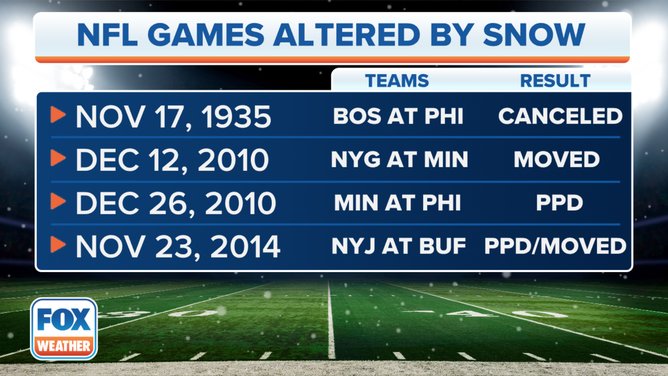
Yes, the NFL can cancel games due to severe weather conditions, such as lightning, heavy snow, or extreme wind.
Have you ever wondered if a raging blizzard or a torrential downpour could stop the pros from playing? The question of whether the NFL cancels games due to weather frequently pops up in the minds of fans. Severe weather always presents a real concern for player safety, and the league has guidelines in place for these situations. This affects the game schedules and the fans planning to watch.

Does NFL Cancel Games Due to Weather?
The National Football League, or NFL, is a tough sport played by very strong athletes. They run, they jump, they tackle – they do it all! But what happens when Mother Nature throws a curveball? Does bad weather ever stop these football giants from playing? The short answer is: yes, sometimes it does. But it’s not as simple as just seeing a little rain or snow and calling off the game. Let’s dig deeper into when and why the NFL might cancel or change a game because of the weather.
Types of Weather That Could Affect NFL Games
Not every little sprinkle or gust of wind causes a panic in the NFL. There are specific types of weather that are much more likely to cause problems. These severe weather conditions are the ones that the league keeps a very close eye on.
Heavy Snow and Blizzards
Imagine trying to run on a field covered in a foot of snow! That would be tricky, right? Heavy snowfall, especially when it turns into a blizzard, can make it really hard to see, hard to move, and hard to even tell where the football is. Snow can also make the field slippery and dangerous for the players. The visibility can become so poor that it’s tough for the players, coaches, and even the referees to see what’s going on. Think about those passes thrown through thick snow! It wouldn’t be a very fair game.
- Snow reduces visibility.
- Snow creates slippery conditions, increasing the risk of injuries.
- Heavy snow can accumulate quickly, making the field unplayable.
High Winds
Strong winds, especially really powerful ones like those you see in a hurricane or a severe thunderstorm, can cause major problems. High winds can make it really difficult to throw or kick the football accurately. Imagine trying to kick a field goal with the wind pushing the ball all over the place! It’s not just about the ball though, high winds can also blow down equipment, like goalposts and even parts of the stadium which could be dangerous for everyone there, including the fans.
- Wind impacts the trajectory of the football.
- Strong gusts can make it dangerous for players.
- High winds can damage stadium structures.
Lightning and Thunderstorms
Lightning is a real danger, and no one wants to be out in the middle of a football field when lightning is flashing nearby. Thunderstorms often bring with them not just lightning but also really heavy rain, which can quickly make the field too wet. The NFL is very careful about keeping players and fans safe, so they’ll delay or cancel a game rather than take a chance with lightning.
- Lightning poses a direct risk to players and spectators.
- Heavy rain can flood the field, making play difficult and dangerous.
- Storms can bring damaging winds that accompany the rain and lightning.
Extreme Heat
While many people think of snow and rain as game-changers, extreme heat can be equally dangerous. Playing in very high temperatures and humidity can put the players at risk of heatstroke or dehydration. The NFL pays close attention to the heat index, and they will take steps to protect the players when the weather becomes too dangerous. They might schedule extra water breaks or delay the start of the game.
- Heatstroke is a very serious risk in high temperatures.
- Dehydration can affect player performance and health.
- The NFL monitors the heat index to ensure player safety.
Flooding
Sometimes, heavy rain can cause a lot of flooding, which can make the field unplayable. When the field is underwater, it’s not safe or fair to play on. Flooding can also make it hard to get to the stadium, which would keep fans from watching the game. They’d rather be safe at home.
- Flooded fields are unsafe and unplayable.
- Flooding can impede access to the stadium.
- Severe flooding may lead to game cancellations or postponements.
How the NFL Makes Decisions About Weather
So, who decides if a game gets canceled or changed because of the weather? It’s not just one person making a snap decision. The process involves many people and careful planning.
Game Day Weather Monitoring
Before every game, the NFL has people who are keeping a close watch on the weather. They use weather forecasts and radar to track any storms or bad weather that might be coming. These are not just regular weather reports; they are very detailed and specific to the location of the game. They are looking at things like wind speed, rainfall amount, lightning distance, and temperature to make sure the game is safe to play.
- The NFL uses advanced weather forecasting tools.
- Dedicated staff track real-time weather conditions.
- They monitor for specific conditions that could cause safety issues.
Collaboration With Local Authorities
The NFL doesn’t just rely on their own experts. They also work closely with local authorities, like emergency management teams. These local officials have experience with how weather can affect the area around the stadium, and can help the NFL make the best decisions about a game. They can also provide valuable input about road conditions and any other local weather-related issues.
- The NFL collaborates with local emergency management teams.
- Local officials provide insight on specific weather risks.
- This partnership ensures community safety during events.
Referee’s Discretion
During the game, the referee has the final say about whether to keep playing or stop the game because of the weather. They are responsible for the safety of everyone on the field, and they have the power to delay or end the game if they think it’s needed. They work together with the NFL and local officials to make these important calls.
- The referee has the authority to pause or end a game due to unsafe conditions.
- They prioritize the safety of the players and other personnel.
- The referee will consider input from the NFL and local authorities.
What Happens When a Game is Affected by Weather?
Okay, so bad weather comes, and the NFL has to make a choice. What happens next? It’s not always a simple cancellation. There are several options.
Game Delays
A game might be delayed, meaning it is paused for a while until the weather gets better. This is common during thunderstorms, especially when lightning is present. Players will go back to the locker room, and fans may have to seek shelter until it’s safe to resume playing. Once the weather improves, they will continue the game.
- Games can be temporarily paused for a set amount of time.
- The delay may be until the storm passes or conditions are more favorable.
- Players and fans will be kept updated on the return to play.
Game Postponements
If the weather is really bad and it doesn’t look like it will get better soon, the game might be postponed. That means the game is moved to a later date and the players and fans will have to wait to see the game. The NFL has to find a time when they can play the game, and that can be tricky in the middle of the football season. This is usually when the weather is deemed too dangerous for safe play.
- Games are rescheduled to a later date when conditions are too hazardous.
- The rescheduling depends on several factors.
- This can result in unexpected changes to the NFL schedule.
Game Cancellations
In very rare cases, a game might be canceled completely. This usually happens when there is a really big emergency that makes it impossible to play the game at any later time. It’s not very common for the NFL to cancel games entirely but it is something that can happen in extreme situations. This is something that the NFL tries to avoid if at all possible.
- Cancellations are rare but can occur in extreme circumstances.
- If it is impossible to reschedule a game, it might be cancelled.
- This is usually a last resort for the NFL.
Specific NFL Weather Policies
The NFL doesn’t have one exact rule book about weather that everyone follows. But, there are guidelines and practices they follow to make decisions.
Lightning Safety
The NFL takes lightning safety very seriously. If there is lightning nearby, the game will be stopped, and play will not start again until the lightning is a safe distance away. They use something called the “30-30 rule,” which means if there is a flash of lightning, and then you hear thunder within 30 seconds, the game needs to be paused and all players and fans have to shelter inside. Play will not resume until 30 minutes have passed since the last thunder or lightning. This ensures the safety of everyone.
- The NFL uses the 30-30 rule to guide lightning safety.
- Play stops when lightning is within a dangerous distance.
- Play will only resume after 30 minutes from the last lighting/thunder.
Heat Safety
The NFL also takes heat safety very seriously. They have guidelines to help them decide when it’s too hot to play, and they might make adjustments to the game, like adding water breaks. The league also encourages players to stay hydrated, and they have trained personnel to watch for players showing signs of heat exhaustion or heatstroke.
- The NFL follows heat safety guidelines to protect players.
- Extra breaks and hydration are essential in extreme heat.
- Medical staff monitor players for signs of heat-related issues.
Snow and Field Conditions
The NFL has special equipment that helps to clear snow from the field. They can use snow plows and even heaters under the field to help melt the snow before a game. However, if there’s too much snow, or if the field is still unsafe to play on, they may postpone the game. They have dedicated grounds crew that are responsible for field conditions.
- The NFL utilizes snow-clearing equipment to keep fields playable.
- Field conditions are regularly evaluated before and during games.
- Field safety is a top priority for the NFL.
Notable Games Affected by Weather
There have been some famous NFL games that were affected by weather. These are good examples to help show what the NFL does in these situations.
“The Snow Bowl”
One very well known example was the 2000 AFC Divisional playoff game between the Oakland Raiders and New England Patriots. There was so much snow, that the field was covered and the players were having trouble keeping their footing. The game became an instant classic, remembered for its snowy conditions, even though the game went ahead despite the terrible weather. This game shows how much of an impact weather can have on the way a game is played.
- This game shows how much of an impact weather can have on the way a game is played.
- Despite the terrible weather, the game went ahead.
- The snowy conditions had a huge impact on how the game was played.
Games Delayed Due to Lightning
Many games have been delayed due to lightning over the years. These delays can sometimes last for hours, which means that the fans must wait around or even go home until the weather is safe for play. These delays are a clear reminder that when it comes to safety, weather comes first for the NFL.
- Lightning delays are very common in the NFL.
- These delays highlight the NFL’s dedication to safety.
- Delays can last for hours before it is safe for the players to return to the field.
Extreme Heat Game Considerations
Some games, especially those early in the season, have been affected by extreme heat. The NFL has added extra water breaks and even moved game times to try to protect the players. These games are a reminder that extreme temperatures are just as serious as snow or storms, and the league must take these conditions into account when planning game schedules. This is done to make sure that the game is safe for everyone.
- The NFL takes steps to prevent heat-related illness.
- Game times might be shifted to avoid the hottest parts of the day.
- Extra water breaks and precautions are implemented.
In the end, the NFL will always prioritize safety, both for the players and for the fans who watch the games. While they would rather play than postpone games, they will always choose safety over finishing a game when there is severe weather.
History of NFL's WORST Weather Games: Snow, Rain, Heat, & More!
Final Thoughts
The NFL rarely cancels games because of weather. They prioritize playing, even in challenging conditions. However, extreme events like hurricanes might force a postponement.
Usually, they adjust for snow, rain, or cold. These adjustments often include field covers and more.
Ultimately, does nfl cancel games due to weather? The answer is usually no. They try their best to play unless it becomes extremely dangerous. They must only cancel or postpone games when absolutely necessary.

